Prev Post
No previous post available
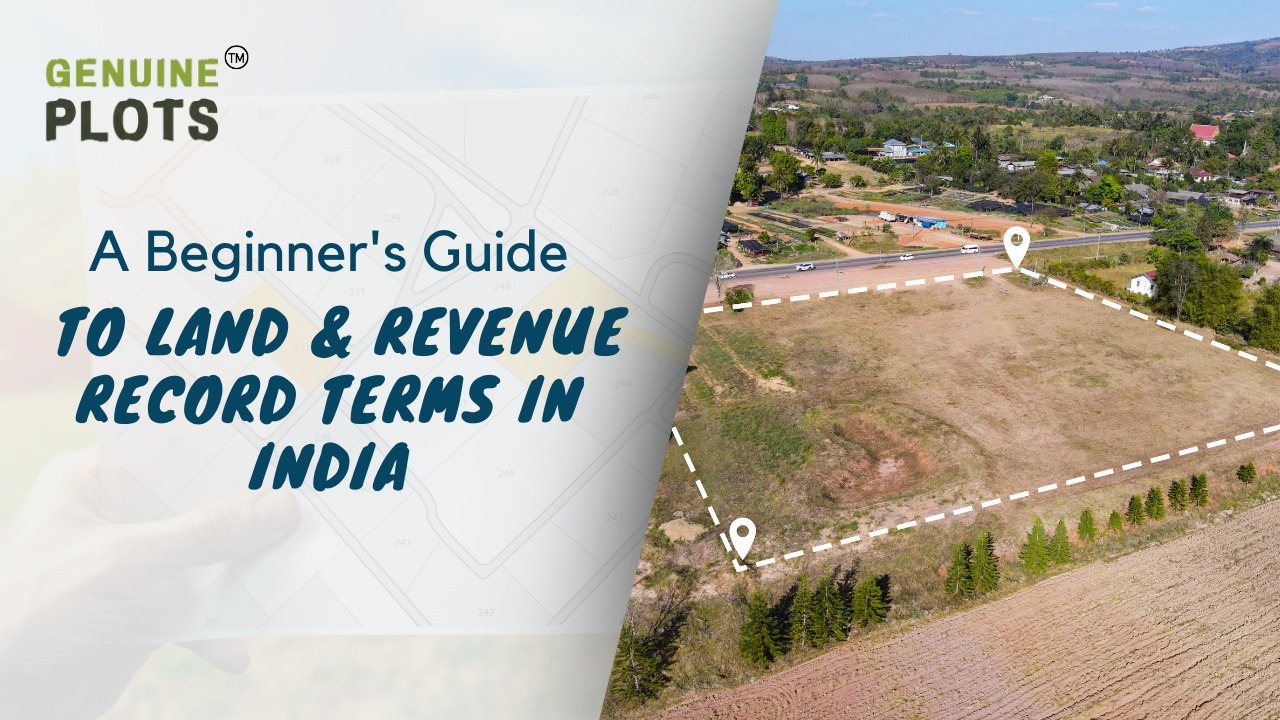
Land transactions can be a labyrinth of confusing terms, especially when checking records online. In this simplified guide, Genuine Plots unravels key terms, empowering you to make informed decisions and ensuring smooth navigation through the world of land transactions. Let's embark on this journey together, where understanding land records becomes as easy as a walk in the park.
Jamabandi
Nakal
Khata
Khasra or DAG Number
Khewat
Mauza
Bainama
Khatauni
Patta
Khudkasht
Embarking on a land transaction journey can be daunting, but armed with these simplified explanations, you'll be better equipped to decode the complexities of land records.
Prev Post
No previous post available
 - 2026-02-04T141222.110.png)
Yes. The period leading up to Kumbh Mela 2026 is highly favourable for investing in plots in Nashik due to rapid citywide upgrades worth ₹25,000 crore, improved connectivity, and long-term development plans that boost land appreciation.
The massive footfall expected during Kumbh Mela and the government’s infrastructure push—including new roads, public facilities, and transport enhancements—is creating significant demand for every type of Nashik plot for sale and boosting overall land value.
Yes. Plots near Nashik—especially near upcoming growth corridors, transport routes, and industrial zones—are experiencing rising interest. With sustainable infrastructure planned beyond 2026, these locations promise strong long-term appreciation.
Plots for sale in Trimbakeshwar benefit from spiritual tourism, proximity to Nashik city, and heavy Kumbh Mela footfall. The region's scenic environment and ongoing infrastructure upgrades make it ideal for homestays, resorts, and long-term land banking.
Top choices for plots for investment in Nashik include Trimbakeshwar Road, Igatpuri stretch, Gangapur Road, and emerging belts around the Mumbai–Agra Highway. These areas are set to benefit directly from Kumbh Mela-linked development.
Yes. Highway plots in Nashik—especially along the Mumbai–Agra Highway and key connecting routes—are seeing rapid demand due to better connectivity, commercial potential, and large-scale government infrastructure improvements.
Before buying any Nashik plot for sale, ensure the land is NA (Non-Agricultural), has clear title, and is legally approved. Verifying zoning, local approvals, and development permissions is essential for secure investment.
Kumbh Mela 2026 is expected to bring a surge of tourism, temporary housing demand, and commercial activity. This significantly increases the attractiveness of plots near Nashik, making them ideal for hospitality, rentals, and long-term appreciation.
Absolutely. The continuous pilgrimage activity and the global significance of the Kumbh Mela make plots for sale in Trimbakeshwar ideal for ashrams, homestays, resorts, and spiritual retreats—offering excellent ROI potential.
Ensure the plot has:
NA approval
Clear title
No encroachments
Proper access roads
Proximity to development corridors
These checks are essential whether you're exploring plots in Nashik, highway plots Nashik, or plots for investment in Nashik.

LDA plots in Lucknow are land parcels developed and regulated by the Lucknow Development Authority (LDA). These plots undergo strict checks for land title, zoning, legality, and infrastructure planning. The authority ensures the plot is free from disputes, making it one of the safest options for people looking to buy residential plots in Lucknow.
Yes. Investing in LDA-approved plots in Lucknow is considered highly safe because they come with government approval, verified ownership, proper documentation, and planned infrastructure. Whether you are exploring residential plots in Lucknow or Lucknow land for sale, LDA plots offer transparency and long-term value appreciation.
Some of the top locations for plots for sale in Lucknow include:
Sultanpur Road – Rapidly developing with township projects and strong connectivity.
Shaheed Path – Well-planned expressway stretch with premium residential zones.
Gomti Nagar Extension – One of Lucknow’s most in-demand areas with modern infrastructure.
These areas are ideal for those looking to buy residential plots in Lucknow for personal use or investment.
Prices for LDA plots in Lucknow vary by sector and location. Generally, rates range based on development stage, road access, and demand. Premium areas such as Gomti Nagar Extension and Shaheed Path tend to have higher valuations due to superior urban planning and amenities. Always check the latest LDA notifications for updated pricing.
The circle rate in Lucknow (LDA areas) depends on the sector, location category, and road width. Circle rates are government-defined minimum property prices used for stamp duty calculations. Popular micro-locations like Sultanpur Road and Gomti Nagar Extension often have higher circle rates due to strong demand and rapid growth.
Yes. You can find numerous residential plots in Lucknow, including secure, legally verified LDA plots in Lucknow, especially in fast-growing corridors such as Shaheed Path, Sultanpur Road, and Gomti Nagar Extension. These locations offer excellent connectivity, planned infrastructure, and long-term value appreciation for investors seeking Lucknow land for sale.

The YEIDA residential plot scheme RPS-10 is a new offering by the Yamuna Expressway Industrial Development Authority featuring 973 YEIDA residential plots in Sectors 15C, 18, and 24A near Jewar Airport. These plots range from 162 to 290 sq m, making them ideal for homebuilding and long-term investment.
Yes. The upcoming Noida International Airport significantly boosts demand for YEIDA plots for sale, especially in sectors around the expressway. The connectivity, infrastructure development, and future commercial hubs make this an excellent opportunity for both living and investment.
Under the YEIDA plot scheme, plot sizes range from 162 to 290 sq m, priced at around ₹35,000 per sq m. With 973 plots available, the scheme aims to provide affordable and well-located land options near high-growth areas.
The YEIDA housing scheme uses a transparent lucky draw system. Applicants submit their forms with an earnest money deposit, and allotment is done fairly through a computerised draw, ensuring transparency and equal opportunity.
Yes. Any Indian citizen aged 18+ can apply for YEIDA land for sale under the RPS-10 scheme. Applicants may apply individually or jointly with immediate family members. Full details will be provided in the official brochure when released.
The YEIDA residential project zones—especially Sectors 15C, 18, and 24A—are strategically located near the Yamuna Expressway and Jewar Airport. The combination of connectivity, rapid development, and future appreciation makes these plots highly desirable for homebuyers and investors.
Goa has quietly moved from being just a holiday hotspot to becoming one of India’s most rewarding real estate markets. With the new Mopa airport running at full capacity, major infrastructure work underway, and a steady rise in tourism and NRI demand, 2026 presents a rare investment window. If you’re exploring where to buy in Goa—whether for appreciation, rentals, or a second home—these five locations stand out for all the right reasons.
The biggest movement in Goa's property market is happening around the Mopa airport. Better connectivity has unlocked massive appreciation, and the upcoming IT and logistics parks are expected to boost demand further. Currently, Investors seeking plots, gated villa communities, or hospitality-driven land parcels are seeing strong returns. This corridor presents the maximum potential for growth over the next few years.
This is a prime stretch of coastline that still attracts world travellers, long-stay tourists, and luxury renters. The proximity to the airport just adds to its attractions. It is an excellent area that is suited to luxury villas and resorts that also perform strongly as a holiday home opportunity. If you are after a lifestyle opportunity with proximity to beaches and strong returns on a rental platform, you cannot go past this belt.
These picturesque villages of North Goa are gaining traction with buyers looking for serene surroundings without being too far removed from the action. With rolling greens, waterfrontage, and relatively lower price points, this area is perfectly suited for farmhouse land purchases or private estate developments. As growth continues to spill out from the airport side, this area is experiencing solid, stable growth.
A dependable property market in South Goa lies around Dabolim airport. Therefore, an established neighbourhood, good infrastructure, and a well-grounded tenant base make it suitable for buyers looking for an assured rental income and ready-to-move homes. Families, corporate employees, and defence personnel ensure a continuous demand for both apartments and villas.
This sleepy coastal zone offers the quintessential experience of South Goa: pristine beaches, easy living, and high-end villas. It caters to NRIs, holiday makers, and lease seekers who are looking for high-end living without any crowds. These properties assure you of high appreciation and are worth buying.
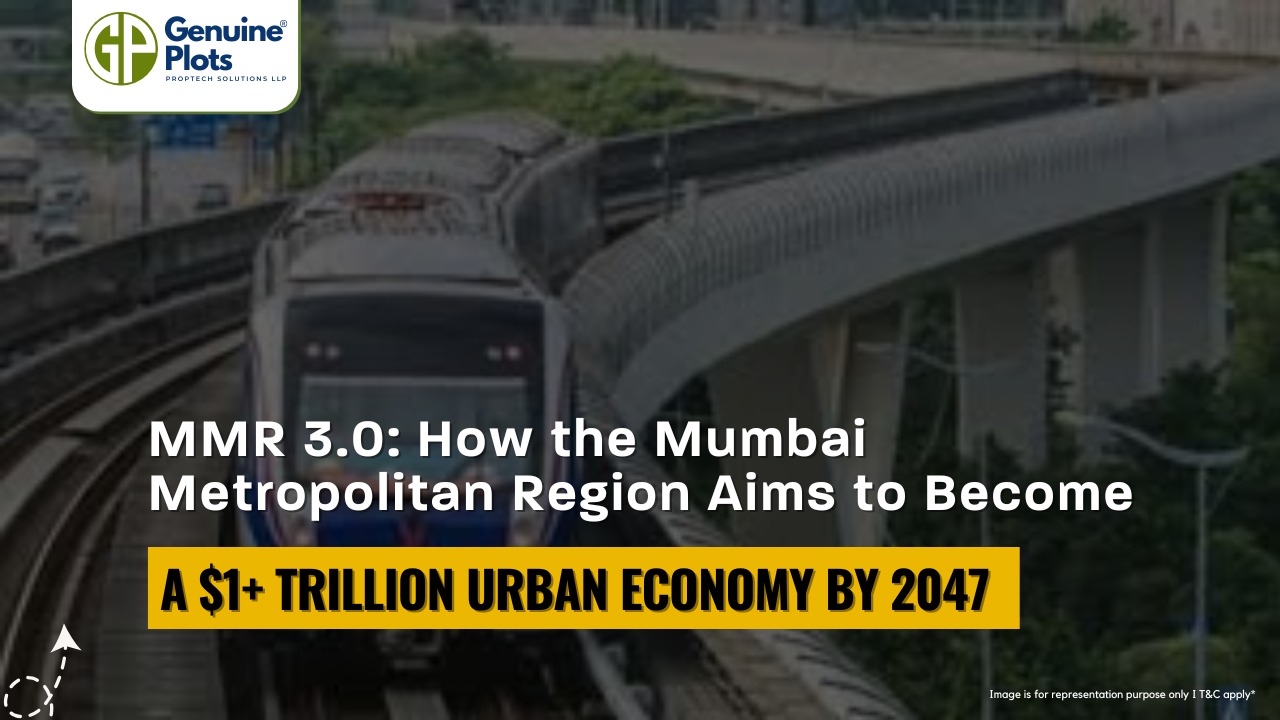
The MMR is poised at the threshold of the most transformative journey ever. Powered by a strong aspiration to grow as a $1 trillion urban economy by 2047, this will take shape through a new growth model comprising expanded infrastructure, diversified industry clusters, and next-generation urban planning. The vision for "MMR 3.0" is well in tune with the national aspiration for India to become a developed nation by 2047, with Mumbai at the forefront of innovation, mobility, and economic leadership.
At the core of the proposed roadmap for the GDP is a plan to increase the output of the region two-fold by 2030. Policymakers have set their sights on sectors like financial services, logistics, technology, tourism, manufacturing, and green mobility, which have higher productivity levels. While the region’s legacy industries have been largely based on real estate and traditional services, a new, more diversified structure is arising, with a greater emphasis on the creation of jobs at various skill levels. Emerging employment hubs include Navi Mumbai, Thane, Panvel, Kalyan-Dombivli, Vasai-Virar, and the upcoming Third Mumbai node, helping to end decades of employment concentrations within South Mumbai and its western suburbs.
Infrastructure is the backbone of the GDP expansion plan. Over 374 km of metro lines, major expressways, coastal roads, trans-harbour links, tunnels, new suburban rail corridors, and multimodal hubs aim to compress travel time dramatically. This enhanced connectivity is expected to unlock productivity, create new business districts, and decentralize population pressures. The Navi Mumbai International Airport and its surrounding Aerotropolis are poised to become one of India’s most influential logistics and services zones, driving aviation-linked trade and global investment.
A vital element of MMR’s trillion-dollar ambition is sustainability. With climate risks rising and the region being coastal, future-ready planning emphasises flood management, green mobility, resilient infrastructure, and balanced urbanisation. Large-scale transit-oriented development (TOD), walkable districts, digital governance, and smart-city frameworks are being embedded into upcoming projects.
The demographics of the region—the large population of working-age citizens, one of the largest in India—also increases the certainty of the region’s high growth. However, some of the weaknesses of the region include affordability gaps, infrastructure constrains, environmental concerns, and inclusive development. MMR 3.0 seeks to address these through a coordinated system of governance and “public-private partnerships and policy reforms.