Prev Post
No previous post available
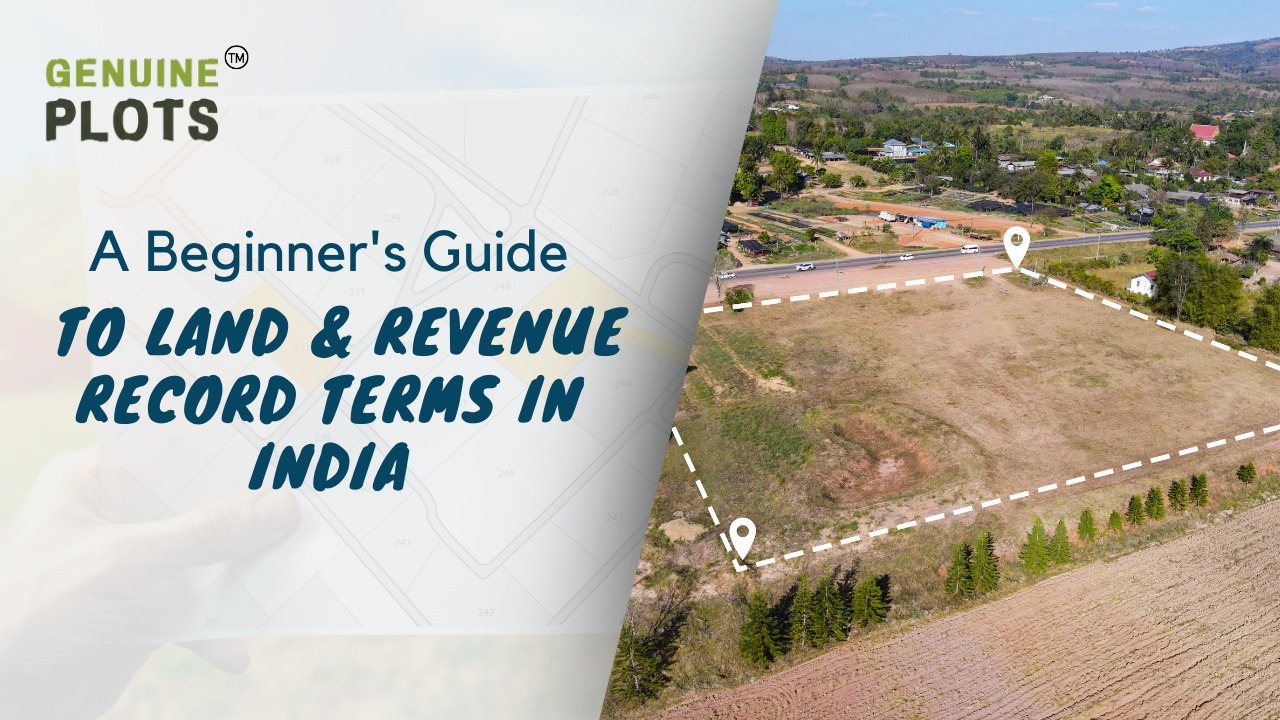
Land transactions can be a labyrinth of confusing terms, especially when checking records online. In this simplified guide, Genuine Plots unravels key terms, empowering you to make informed decisions and ensuring smooth navigation through the world of land transactions. Let's embark on this journey together, where understanding land records becomes as easy as a walk in the park.
Jamabandi
Nakal
Khata
Khasra or DAG Number
Khewat
Mauza
Bainama
Khatauni
Patta
Khudkasht
Embarking on a land transaction journey can be daunting, but armed with these simplified explanations, you'll be better equipped to decode the complexities of land records.
Prev Post
No previous post available

Buying land in Maharashtra can be confusing, especially when terms like Open Plot, NA Plot, Agricultural Land, and Non-Agricultural Land are used interchangeably.
An Open Plot usually refers to agricultural land that has NOT yet been converted to NA (Non-Agricultural) status.
Open Plot = Agricultural Land
Legally, it is treated as agricultural land unless converted through NA permission.
Construction is NOT allowed
As per MLRC, you cannot build a house, shop, or commercial building on agricultural land without NA conversion.
Bank Loan is rarely available
Most banks do NOT give home loans, construction loans, or commercial loans on agricultural land.
Only farm loans may be available — but only if you are a certified farmer.
Cheaper Price
Since construction is not immediately allowed, prices are much lower than those of NA plots.
Future potential depends on NA conversion
If the government allows NA conversion later and the area develops, the land value increases.
Legal Risk if purchased for home
Buying agricultural land for living purposes is illegal unless NA conversion is done.
Open Plot = Just land. Construction is NOT legally allowed yet.
NA (Non-Agricultural) land is agricultural land that has officially been converted for non-farming use with government approval.
There are various types of NA:
NA – Residential
NA – Commercial
NA – Industrial
NA – Resort / Non-speculative / Mixed-use
Legal for construction
Once NA permission is granted, you can build a house, bungalow, shop, or commercial building, depending on the NA category.
Approval from the Gram Panchayat/Municipality
NA land comes with clear land-use permission & official sanction under MLRC Section 44.
Full eligibility for Bank Loan
Home loans, construction loans & commercial loans are available on NA plots.
Higher Cost
NA plots cost more because they:
have clear legal status
are construction-ready
have better infrastructure provisions
Safe for home buying
NA Residential plots are the safest option for building a house or bungalow.
NA Plot = Agricultural land legally converted to NON-agricultural use. Construction allowed.
Which Plot Should You Buy?
For Investment → Open Plot
Open plots appreciate more in developing areas.
Cheaper to buy + future NA conversion = high returns.
For Living / Construction → NA Plot
If you want to build:
House
Bungalow
Shop
Office
Commercial property
→ Only NA land is legal.
Most Common Misconceptions
Misconception: Open plots will automatically become NA in future
Reality: NA conversion is a government decision, not automatic.
Misconception: Gram Panchayat NOC = NA land
Reality: GP NOC alone does NOT make the land NA.
You need Collector NA approval under MLRC.
Misconception: You can construct “temporary” structures on open plots
Reality: Any construction on agricultural land is illegal without NA.
Summary
Open Plot = Agricultural Land (No construction allowed)
NA Plot = Legally approved Non-Agricultural Land (Construction allowed)
Open plots = Good for investment
NA plots = Best for home/commercial use
NA plots are safer, more expensive, and legally clear
Open plots are cheaper but riskier if used for living

Morgaon Farmland Estates is located in a very fertile agricultural region of Western Maharashtra. It presents an unbeatable investment opportunity for nature enthusiasts, those interested in entering the agri-business industry, those seeking a serene weekend retreat, or simply those seeking some breathing space. This estate provides 16 acres of very fertile and clear-titled land that can be utilised for both lifestyle and investment purposes.
Morgaon Farmland Estates is planned as a completely developed agricultural land property, ready to be sold, and can be put to multiple uses, such as organic farming, hobby farming, weekend getaways, or to add to your diversified long-term investment portfolio. The land is situated in a peaceful and serene environment, with rich soil and easy access to the main roads, making it perfect for agriculture and relaxation.
The land is available in multiple sizes, ranging from 1 acre to 5 acres, giving the buyer the flexibility to buy a piece of land that suits their agricultural needs or provides them with a weekend getaway. Starting at just ₹80 lakhs, it presents a rare opportunity to own a piece of land that has been documented with 7/12 extracts.
Why Morgaon Stands Out
The estates boast several compelling features that make them a standout opportunity in the region:
Fertile agricultural land suitable for organic farming, fruit orchards, plantations, and sustainable farming practices
Ready possession, enabling buyers to begin development immediately
Stable long-term appreciation potential, backed by rising demand for agricultural retreats
Legally compliant, offering clear and secure ownership
Amenities that ensure ease of living and management, including access to water, electricity, a gated entrance, and round-the-clock security.
A Destination of Cultural Significance with Convenience
Morgaon Farmland Estates is situated close to Purandar Airport and Mayureshwar Ganpati Temple. This picturesque farmland offers visitors both a place of worship and ease of travel. As a result, the farm estate's infrastructure and cultural significance as a family retreat or boutique lodgings greatly enhance Morgaon Farmland Estates' appeal as a home or investment.
A Destination for Future Growth
With an increasing number of people and investors interested in sustainable living and long-lasting, low-risk assets, agricultural land is becoming increasingly popular. Morgaon Farmland Estates offers all of these elements, including environmentally friendly land, caring for the land, and sound investment opportunities.
Due to its well-maintained infrastructure, prime location, and abundant soil, Morgaon Farmland Estates will provide excellent opportunities for individuals who want to invest in the next major growth area.
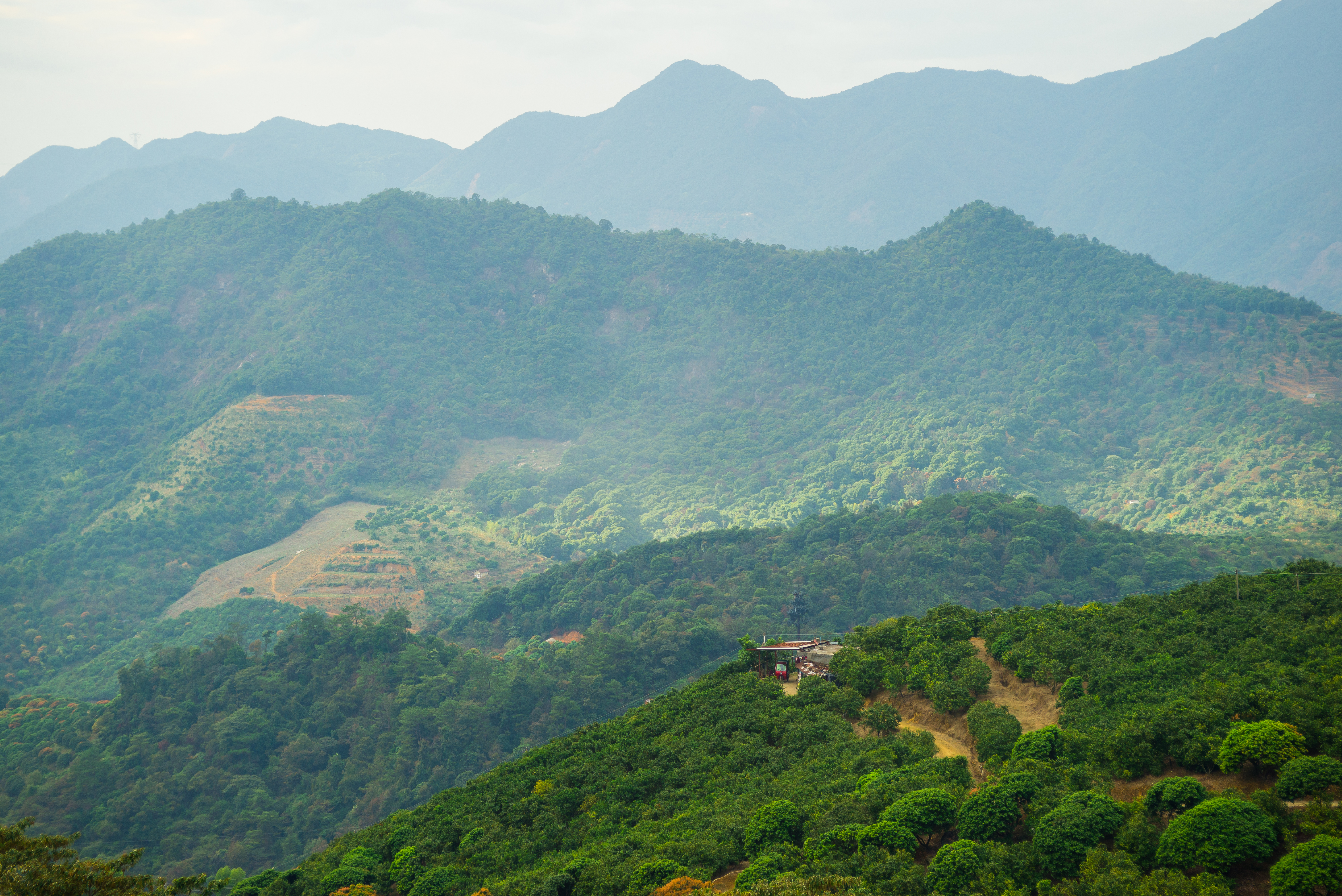
Tattvana is a premium farmhouse plot community situated in the beautiful landscape of Kamshet and designed to merge nature, luxury and modern-day living. Tattvana has a total of 10 acres of land located in Maharashtra's newest green lifestyle corridor, and will be added to as the development progresses.
Tattvana will appeal to high-net-worth individuals, second-home buyers, and lifestyle-driven investors seeking a retreat that offers peace and serenity and long-term value.
With its location in the growing hot spot of the area, Tattvana offers its residents excellent access to future infrastructure including the proposed Purandar Airport, the development of a new IT corridor and increasing demand for residential development which will all result in significant future appreciation of property values while at the same time providing a place where you can rejuvenate and escape the hustle and bustle of urban life.
Tattvana's common development areas have been fully developed with an emphasis on elemental living,nature-integrated development and nature-friendly planning. Each aspect of the community has been planned to establish an environment that is harmonious with nature:
Themed parks comprising a gaushala (cow shelter)
Butterfly garden
Natural bath
Infrastructure built to support the community, including wi-fi access
Roads for internal travel and provision of electricity and water to each individual home;
Fully gated environment ensuring safety and privacy
A blend of hills, greenery, and serene valley views
With plot sizes ranging from 5,000 sq. ft. to 2 acres and pricing starting at ₹75 lakhs, the project offers flexibility to build premium weekend homes, retirement escapes, or lifestyle farmhouses.
Scenic Views and a Lifestyle Close to Nature
One of the most appealing aspects of Tattvana is its beautiful valley setting—calm, green, and ideal for rejuvenation. Residents can enjoy peaceful surroundings, morning views of Sahyadri hills, and evenings spent unwinding amidst nature.
A Promising Investment in a Growing Region
Kamshet is rapidly developing, supported by improving connectivity and significant planned infrastructure. Tattvana benefits directly from this momentum, offering both immediate lifestyle appeal and strong long-term investment potential.
Conclusion
Tattvana in Kamshet offers a rare combination of premium farmland living, natural beauty, and smart planning. With its peaceful environment, modern amenities, and strategic location, it presents an exceptional opportunity for anyone seeking a luxury retreat or a future-ready investment in Maharashtra’s thriving lifestyle corridor.
Tattvana is a premium farmhouse plot community situated in the beautiful landscape of Kamshet and designed to merge nature, luxury and modern-day living. Tattvana has a total of 10 acres of land located in Maharashtra's newest green lifestyle corridor, and will be added to as the development progresses.
Tattvana will appeal to high-net-worth individuals, second-home buyers, and lifestyle-driven investors seeking a retreat that offers peace and serenity and long-term value.
With its location in the growing hot spot of the area, Tattvana offers its residents excellent access to future infrastructure including the proposed Purandar Airport, the development of a new IT corridor and increasing demand for residential development which will all result in significant future appreciation of property values while at the same time providing a place where you can rejuvenate and escape the hustle and bustle of urban life.
Tattvana's common development areas have been fully developed with an emphasis on elemental living,nature-integrated development and nature-friendly planning. Each aspect of the community has been planned to establish an environment that is harmonious with nature:
Themed parks comprising a gaushala (cow shelter)
Butterfly garden
Natural bath
Infrastructure built to support the community, including wi-fi access
Roads for internal travel and provision of electricity and water to each individual home;
Fully gated environment ensuring safety and privacy
A blend of hills, greenery, and serene valley views
With plot sizes ranging from 5,000 sq. ft. to 2 acres and pricing starting at ₹75 lakhs, the project offers flexibility to build premium weekend homes, retirement escapes, or lifestyle farmhouses.
Scenic Views and a Lifestyle Close to Nature
One of the most appealing aspects of Tattvana is its beautiful valley setting—calm, green, and ideal for rejuvenation. Residents can enjoy peaceful surroundings, morning views of Sahyadri hills, and evenings spent unwinding amidst nature.
A Promising Investment in a Growing Region
Kamshet is rapidly developing, supported by improving connectivity and significant planned infrastructure. Tattvana benefits directly from this momentum, offering both immediate lifestyle appeal and strong long-term investment potential.
Conclusion
Tattvana in Kamshet offers a rare combination of premium farmland living, natural beauty, and smart planning. With its peaceful environment, modern amenities, and strategic location, it presents an exceptional opportunity for anyone seeking a luxury retreat or a future-ready investment in Maharashtra’s thriving lifestyle corridor.
Tattvana is a premium farmhouse plot community situated in the beautiful landscape of Kamshet and designed to merge nature, luxury and modern-day living. Tattvana has a total of 10 acres of land located in Maharashtra's newest green lifestyle corridor, and will be added to as the development progresses.
Tattvana will appeal to high-net-worth individuals, second-home buyers, and lifestyle-driven investors seeking a retreat that offers peace and serenity and long-term value.
With its location in the growing hot spot of the area, Tattvana offers its residents excellent access to future infrastructure including the proposed Purandar Airport, the development of a new IT corridor and increasing demand for residential development which will all result in significant future appreciation of property values while at the same time providing a place where you can rejuvenate and escape the hustle and bustle of urban life.
Tattvana's common development areas have been fully developed with an emphasis on elemental living,nature-integrated development and nature-friendly planning. Each aspect of the community has been planned to establish an environment that is harmonious with nature:
Themed parks comprising a gaushala (cow shelter)
Butterfly garden
Natural bath
Infrastructure built to support the community, including wi-fi access
Roads for internal travel and provision of electricity and water to each individual home;
Fully gated environment ensuring safety and privacy
A blend of hills, greenery, and serene valley views
With plot sizes ranging from 5,000 sq. ft. to 2 acres and pricing starting at ₹75 lakhs, the project offers flexibility to build premium weekend homes, retirement escapes, or lifestyle farmhouses.
Scenic Views and a Lifestyle Close to Nature
One of the most appealing aspects of Tattvana is its beautiful valley setting—calm, green, and ideal for rejuvenation. Residents can enjoy peaceful surroundings, morning views of Sahyadri hills, and evenings spent unwinding amidst nature.
A Promising Investment in a Growing Region
Kamshet is rapidly developing, supported by improving connectivity and significant planned infrastructure. Tattvana benefits directly from this momentum, offering both immediate lifestyle appeal and strong long-term investment potential.
Conclusion
Tattvana in Kamshet offers a rare combination of premium farmland living, natural beauty, and smart planning. With its peaceful environment, modern amenities, and strategic location, it presents an exceptional opportunity for anyone seeking a luxury retreat or a future-ready investment in Maharashtra’s thriving lifestyle corridor.



