Prev Post
Section 25 of Property Registration in Maharashtra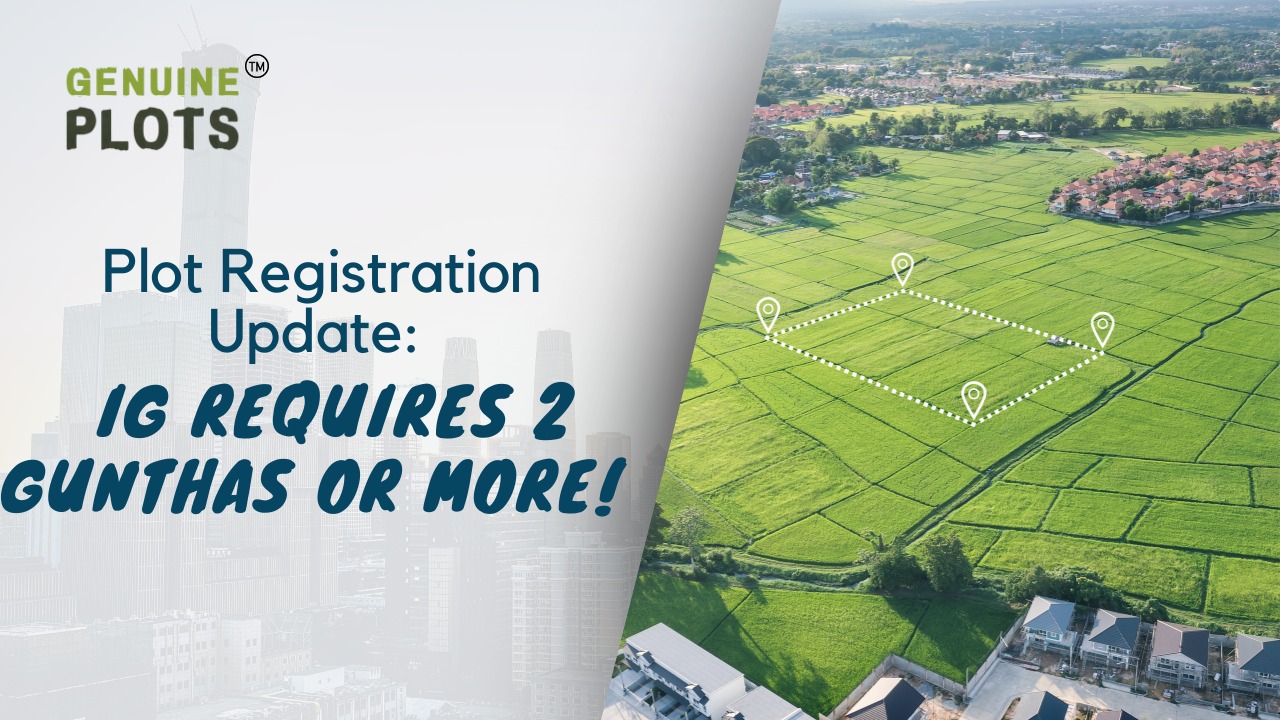
In the state of Maharashtra, India, there exists a crucial law that aims to prevent the fragmentation of land into very small plots. This law restricts the sale or purchase of land measuring just 1 or 2 Gunthas (a unit of measurement used in India), unless prior permission is obtained from the collector or the competent authority. However, with the proper authorization, such transactions can be registered and made legally valid.
Understanding the Prevention of Fragmentation and Consolidation of Holding Act 1947
The core legislation governing land fragmentation in Maharashtra is known as the "Prevention of Fragmentation and Consolidation of Holding Act 1947." Under this act, each district in the state is assigned a standard minimum area of land, and the sale or purchase of land parcels smaller than this standard is strictly prohibited under Section VIII.
The Introduction of Section VIII-B
In 2016, the state government made an important addition to the Prevention of Fragmentation and Consolidation of Holding Act 1947. This addition came in Section VIII-B, which was introduced through a gazette notification. Section VIII-B clarified that the act does not apply to land designated for non-agricultural purposes, such as industrial or commercial use, within the boundaries of Municipal Corporations or Municipal Councils, or under the Maharashtra Regional Planning and Town Planning Act 1966.
Urban Areas and the Sub Registrar's Role
The law against land fragmentation was occasionally ignored in urban areas and areas of influence. Consequently, the Sub registrar, who handles property registrations, rejected transactions involving very small land plots that violated the act. This reinforced the importance of obtaining the necessary permissions for such transactions to be deemed valid.
Revenue Department's Role in Informing Registration and Stamp Duty Department
To ensure compliance with the law, the Revenue department informs the Registration and Stamp Duty Department about transactions involving land that falls under the scope of Section VIII-B. This exchange of information ensures that proper documentation and permissions are obtained for such transactions.
Transactions with Already Purchased Small Land Plots
If an individual desires to sell a piece of land they already own, and that land is smaller than the standard area defined by the act, they must seek permission from the competent authority or the Collector under Section VIII-B of the Act. This provision ensures that even previously acquired small land plots are subject to regulation to prevent fragmentation.
Demarcated Land and the Role of the Land Records Department
In cases where the Land Records Department has officially demarcated a piece of land with a separate boundary map, permission for its sale is not required. However, if the land was formed independently without the demarcation, dividing it will necessitate the approval of the Collector or the Competent Authority, as per a circular from the Inspector General of Registration.
FAQs
Can I sell a small piece of land without permission?
No, the Prevention of Fragmentation and Consolidation of Holding Act 1947 in Maharashtra prohibits the sale of land smaller than the standard area fixed for each district without prior permission from the collector or the competent authority.
Is the law applicable to non-agricultural land?
No, Section VIII-B of the Act states that the law does not apply to land designated for non-agricultural use, such as industrial or commercial purposes, within the boundaries of Municipal Corporations or Municipal Councils.
What happens if I buy a small plot of land?
If you purchase a plot of land that is smaller than the standard area fixed under the Act, you will need permission from the competent authority or the Collector under Section VIII-B of the Act if you wish to sell it in the future.
What is the role of the Sub registrar?
The Sub registrar is responsible for handling property registrations. In urban areas, the Sub registrar ensures that land transactions comply with the law against land fragmentation.
Do I need permission for already purchased small land plots?
Yes, even if you already own a piece of land that is smaller than the standard area, you must obtain permission from the competent authority or the Collector if you wish to sell it in the future.
Are there exceptions to obtaining permission?
Yes, if the Land Records Department has officially demarcated a piece of land with a separate boundary map, permission for its sale is not required.

What is RERA?
RERA stands for Real Estate Regulatory Authority, which has been brought under the Real Estate (Regulation and Development) Act, 2016, in order to bring transparency, accountability, and safety to the real estate sector in India. Every state has its own RERA authority, for instance, MahaRERA in Maharashtra.
RERA applies to:
- Residential & commercial projects
- Land development layouts
How RERA Protects Land & Plot Buyers
1. Ensures Only Legal, Approved Projects Are Sold
All projects have to be registered with RERA before developers can sell any land or plots.
This makes sure that:
- The land title is checked
- The layout plan is approved.
- Permissions are checked
2. Mandatory Disclosure of Project Details
RERA compels the developer to disclose :
- Details of land ownership
- Layout and plot sizes
- Approvals & Sanctions
- Development Timeline
- Amenities promised
- No hidden information or false promises.
- Restrict Misleading Advertisements
A builder cannot advertise or sell plots or unapproved schemes unless the project is registered at RERA and has a valid RERA number.\
3. Prevention of Money Misuse
Developers must maintain 70% of buyers' money in a separate bank account for:
Land development and infrastructure
They are prohibited from making transfers to other projects.
Protection: It keeps projects from being delayed or abandoned.
Severe Penalties on Developers for delays in development, illegally changed outlays or failure to deliver what was promised.
RERA can fine it, freeze accounts, or cancel the project registration.
4. Grievance Redressal Made Easy
Buyers can submit grievances directly to RERA online for delays , fraud, non-delivery or wrong information.
RERA resolves cases faster compared to civil courts.
Protection: Consumers receive fast, inexpensive justice.
5. Open Sales Arrangements
RERA mandates a standard sale agreement, preventing developers from including unfair clauses.
6. Assurance of Timely Delivery
If the developer delays work beyond the committed timeline, the buyers are entitled to compensation.
Interest Refund in case of exit (if they wish to)
Safety: The buyer's investment remains secure.

Land is one of the few assets that appreciates consistently when supported by the right set of external factors. Its value seems static but through time, it gets shaped by infrastructure, location, policy changes, and socio-economic demand. Here are the seven major factors that influence long-term appreciation.
1. Location & Connectivity
The most important factor influencing land value is still location. Plots near developing cities, planned highways, transportation hubs, or industrial corridors appreciate considerably more quickly. Increased demand and consequently higher prices are the results of improved connectivity, such as new expressways, metro links, widened roads, or airport improvements.
Improved logistics, shorter travel times, and increased residential and commercial interest are all benefits of improved access. This frequently results in a discernible rise in real estate prices even before infrastructure projects are finished.
2. Infrastructure & Basic Utilities
Availability of water supply, electricity, road access, drainage, and telecom connectivity adds immediate usability and desirability to land. Even raw plots with easy access to utilities enjoy a higher valuation.
The areas in which local authorities invest, such as streetlights, sewage systems, waste management, or road widening, become naturally more attractive for both developers and end-users. Infrastructure development often initiates multi-year appreciation cycles in surrounding land.
3. Zoning Ordinance & Land-Use Approval
Government zoning policies directly impact the value of land. Land zoned residential, commercial, or industrial sells at a higher price than strictly agricultural areas because of the higher development potential.
Prices for land that can be lawfully rezoned or converted—for instance, from agricultural to residential or commercial—usually rise quickly. In a similar vein, clear title deeds, uncontested ownership, and the absence of litigation boost marketability and buyer confidence, which drives up prices.
4. Supply-Demand Disequilibrium
Land is intrinsically scarce. As populations grow, cities expand, and industries migrate to newer areas, the demand for usable land goes up, but its supply remains fixed.
High-growth areas, especially tier-I and tier-II cities, tend to enjoy sustained demand from both buyers and developers. When demand surpasses supply, appreciation becomes inevitable. This holds true to a large extent in suburban corridors where urban sprawl transforms the countryside into residential and commercial hotspots.
5. Future Development Potential
Land appreciation is highly dependent upon the expectations of future development. Announcements related to:
- new highways
- metro or rail corridors
- industrial parks
- IT hubs
- logistics zones
- residential townships
…tend to drive early investor interest and cause value increases even before construction starts.
Speculation is seldom all wrong-it simply mirrors genuine future potential. As a rule, the investors who identify early signs of urban growth usually benefit the most.
6. Natural Features & Environmental Conditions
Topography, soil quality, access to water, and lack of environmental hazards are highly influential in determining value, particularly for agricultural, resort, or residential land.
The lands that have beautiful scenery, a body of water around it, or even slight slopes command better prices. In contrast, land requiring heavy levelling, environmental clearance, or flood mitigation appreciates more slowly because of the high cost of development involved.
7. Social Amenities & Neighbourhood Growth
Land demand is boosted by the presence of schools, hospitals, markets, shopping centres, parks, and public services in the area. When an area becomes socially well-developed, it attracts families, businesses, and builders, thereby establishing a long-term upward trend of land price improvements.
Even agricultural land near expanding residential belts can appreciate dramatically once neighbouring regions begin to urbanise.
Conclusion
Accessibility, infrastructure, legal clarity, development potential, environmental quality, and social growth all contribute to an increase in land value. Even though land is a reliable long-term investment, investors can find plots with the highest potential for appreciation by understanding these seven factors. Land can provide substantial returns for decades if strategic research and due diligence are done.
.jpg)
1. Ownership & Title Documents
Mother Deed Check and Original Title Deed
Verify the full ownership chain (at least 30 years, if feasible).
Verify that all documents have the same names, survey numbers, and plot details.
Check to see if he has the complete legal authority to sell the property.
2. Encumbrance Check
Get an Encumbrance Certificate (EC for at least 30 years.
There are no mortgages, liens, loans, court orders, or attachments
Verify with the records of the SRO
3. Property Tax & Bills
Property tax receipts are updated.
Request the last 3–5 years' tax payment history
Check for pending dues: electricity, water, society charges, maintenance
4. Verification of Land & Plot
Verify land classification: non-agricultural, NA-residential, NA-commercial, etc.
Check government records for restricted / acquisition zones
Verify property is not under forest land, ceiling land, grazing land, or CRZ restrictions
Check F-Line 7/12 Extract, Property Card, Mutation Entries
5. Legal Clearances
Confirm Approvals from Town Planning Department
Ensure that the approved plan/development permission is current
6. Verification of Seller's Identity
Verify the seller's PAN, Aadhaar, passport, and address proof
If co-owned, check consent from all co-owners
If a Power of Attorney is used, ensure:
- It is registered
- Seller is alive
- POA is specific to the property and valid
7. Verification against Government Records
Property matches records in the local revenue office
Verify mutation entries for accuracy, and update them
Confirm the property is not marked as disputed / government-owned / encroached
8. RERA Check (If Applicable)
Check the project and builder on the RERA website
Check:
- Approvals
- Project status
- Complaints
- Background history of litigation
9. Affidavit of Title
Obtain a legally notarised Affidavit of Title from seller
10. Physical Verification
Examine property lines with a certified surveyor
Verify that the fencing corresponds to the survey numbers.
Consult your neighbours for firsthand confirmation.
Check for disputed pathways or encroachments.
11. Lawyer Review
All documents to be verified by a property lawyer
Get a written Title Search Report
Certificate of Legal Clearance Final Step: Safe Payment
Make payments only through bank transfer
Never pay without an Agreement to Sell
Register the property immediately after payment
 in Indian Land Records.jpeg)
What does the term Vahivat mean?
Vahivat (or Vahiwat) means possession, use, or management of land. It refers to someone who controls and uses a piece of land, even if they are not the legal owner.
How is Vahivat different from ownership?
Vahivat Ownership
Actual use/possession, Legal title in records
May manage or cultivate land. Has full legal rights to transfer, sell, or mortgage
Not always permanent or official. Officially recognised and documented
A person can have vahivat of land without being its registered owner.
Who is a Vahivatdar?
A vahivatdar is the person who physically controls the land, manages, or cultivates it
- May collect profits/produce
- May lease or administer the property
They are users or managers of the land, not necessarily owners.
Is Vahivat recorded in government documents?
Yes.In cases where ownership is unclear or disputed, revenue officials sometimes record the possessor’s name under:
- “Jungle Vahivat” – for forest or uncultivated land
- “Vahivatdar” column – for land under someone’s management or possession
This acknowledges de facto (actual) possession, even if ownership is not settled.
Does Vahivat give legal ownership rights?
No, vahivat alone does not give ownership.
However, long-term, continuous possession may be used in court for claims like adverse possession.
Can Vahivat affect land disputes?
Yes. Vahivat becomes important in cases related to:
- boundary disputes
- Inheritance of land in possession
- long-standing agricultural use
- claims on unused or government land
- establishing common public access routes
Courts often examine who had actual possession for how long.
What is a “Vahivat Road”?
A vahivat road is a path or road used by people for many years—
even if it passes through private land.
Long-term public use can make it recognised as a public right-of-way.
Can a Vahivatdar sell the land?
Generally, no, unless they also have legal ownership.
A Vahivatdar may:
- ✔ use the land
- ✔ manage it
- ✔ lease it (in some cases)
But cannot legally sell, mortgage, or transfer without proper title.
Why does Vahivat still matter today?
It matters for:
- Old revenue records
- rural land usage patterns
- boundary clarification
- disputes over long-term possession
- determining public access routes
- historical occupancy rights
Many villages still use the terms in everyday land-related discussions.
Why are Vahivat maps becoming an issue?
Because authorities are modernising land records.
Old vahivat-based maps often lack legal clarity.
This is why departments (like in Pune district) are cancelling old vahivat surveys and demanding proper re-measurement.

1. Understand the Land Category
-
Before investing in land, identify the type of land you're buying.
-
Types of Land include in Karnataka are residential plots and agricultural plots.
-
Converted land refers to agricultural land that has been legally converted for residential/commercial use.
-
Revenue sites: usually hazardous, without approvals.
What You MUST Check
-
Check that land use fits your purpose.
-
Ask for a DC Conversion certificate for non-agricultural use.
-
Avoid unconverted or illegally converted land.
2. Ownership and Title Details Verification
-
Essential Ownership Checks
-
Obtain the Mother Deed/Title Deed.
-
Verify chain of ownership for 20–30 years.
-
Confirm whether the property is jointly owned.
-
Obtain signatures from all owners/co-owners on the sale agreement.
Warning signs
-
The original title deed cannot be produced by the seller.
-
Disputes between family members.
-
Abrupt ownership changes just before the sale.
3. Check Legal Clearances & Documents
-
Encumbrance certificate
-
Khata Certificate / Khata Extract
-
Tax Receipts
-
Sale Agreement draft
-
Verify Layout Approvals
-
Ensure layout is approved by:
-
BDA: Bangalore Development Authority
-
BBMP / Municipal Corporation
-
Gram Panchayat with proper document
Avoid
Unapproved layouts, plots without official survey numbers and plots based only on notarised documents.
4. Check Encumbrances & Liabilities
What to Check
-
The outstanding bank loans on the land.
-
Cases filed in the courts or pending disputes.
-
Legal claims by relatives or tenants.
-
How to Check
-
Obtain the EC from the Sub-Registrar Office.
-
Check online on the Karnataka land records portal.
5. Understand the Location & Infrastructure
Site-Level Checks
-
Ensure the plot has legal road access.
-
Match plot boundaries with survey sketch.
-
Ensure road width as promised.
-
Look for drainage, sewage and electric poles.
-
Locality Factors
-
Close to schools, markets, and hospitals.
-
Water availability: Groundwater levels vary in Karnataka.
-
Distance from highways and growth zones.
-
Avoid Plots Near
-
Lakes or lake buffer zone (highly protected).
-
Forest areas or government lands.
-
High-tension electrical lines.
6. Confirm Market Value & Pricing
-
Compare with the prices of surrounding properties.
-
Check the government guidance value or stamp duty value.
-
Understand the future development plans for the area.
Be Cautious Of
-
Very low-cost plots - often illegal.
-
Pressure sales (“book today or price will increase”).
7. Registration & After-Purchase Formalities
-
Get the sale deed registered at the Sub-Registrar's office.
-
Pay the stamp duty and registration fees correctly.
-
Apply for a Khata transfer to your name.
-
Start paying property tax after registration.
-
Keep Copies Of
-
Registered sale deed
-
EC after registration
-
Payment
-
All previous owner documents
8. Common Mistakes First-Time Investors Make
-
Purchasing plots based on brochures without verifying the approvals.
-
Not checking on EC and Khata.
-
Buying revenue sites based on the expectation that they will "get approval later."
-
Paying a token/advance prior to document verification. Not physically visiting the plot multiple times.
Recent Posts
Tags
Bhunaksha,
genuine plots,
Land For Sale,
Maharashtra Bhunaksha,
plots for sale,
Gunthewari,
Gunthewari Land,
Gunthewari Rules,
Extract Documents,
Plots and Lands,
Saat Baara,
Extract Saat,
Baara Utara,
Jamabandi,
property tax payments,
Gram Panchayat,
lower prices,
non-agricultural land,
Lower Investment Cost,
Gram Panchayat lands,
Fresh Land Settlements,
Growing demand,
affordable homes,
genuine p,
legal Land,
bungalow plots,
Konkan,
Maharashtra,
Purandar,
Pune,
Karnataka,
Bangalore,
Farm Land,
Kolkata,
Rajarhat,
Indore,
Chhatrapati Sambhajinagar,
Aurangabad,
Mundhwa,
Agricultural Land,
Farmhouse Plot,
Rules And Penalties,
Residential Plots,
NA PLots,
Residential NA Plots,
Commercial NA Plots,
Animal Husbandry Land,
Tathawade,
Vahivat Land Maps,
Vahivat,
Indian Land Records,
Ownership Rights,
Red zone,
PCMC,
Dehu Road,
Land Registration Rules,
Land Investing,
Infrastructure Growth,
Land Ownership,
Land Encroachment,
Panshet Dam,
Varasgaon Dam,
Verified Land,
Plot For Sale,
Land Investment,
Verified Plots,
Land Acquisiton,
Hydrological Survey,
Invest In Land,
Verified Land Plots,
Panshet,
Khadakwasla,
Land Rules,
Dakhil Kharij,
Land Registry,
Property Onwership,
Clean Title Check List,
Property Verification,
Digital Registry,
Farm Plots,
Agro Property,
Land Value Growth,
Urban Expansion,
Senapati Bapat Road,
Registered Land,
Agricultral Plot,
Purandar Airport,
Safe Investment,
Secure Property,
Plot Buyers,
Approved Plots,
Land ROI,
NA Approved Plots,
NA Land,
Welspun One,
Logistic Park,
Talegaon,
PMC Bharat Mandapam,
Urban Development,
Lohgaon,
Close To Nature,
Gated Community Plots,
Buy Land VS Gold Investment,
NRI Investment,
Future Ready Living,
Trusted Plots,
Plot Investment,
Authentic Land,
Safe Land Buying,
Mumbai,
Premium Plots,
MMR Land Investment,
MMR Infrastructure,
Metro Connectivity,
Plots in Mahabaleshwar hill station investment,
Mahabaleshwar land prices and future growth,
Scenic residential plots in Mahabaleshwar,
Mumbai 3.0,
Mumbai 3.0 vs Mumbai 2.0,
Mumbai property investment,
Real estate investment in Mumbai,
Upcoming residential projects in Mumbai,
CIDCO plot auctions,
CIDCO auction Navi Mumbai,
Upcoming CIDCO plot auctions 2026,
CIDCO land auction dates,
Navi Mumbai plot auctions,
CIDCO plots in Navi Mumbai,
CIDCO plots in Kharghar,
CIDCO plots in Ulwe,
NMIA investment opportunities,
Mumbai 3.0 plotted development,
Mumbai 3.0 real estate,
Plots in Mumbai 3.0,
Land investment in Maharashtra,
Residential plots near Mumbai,
Land appreciation in Mumbai 3.0,
Residential land for sale in Mumbai 3.0,
Altamura NA Plots,
Altamura Nadar City,
NA Plots in Nadar City,
Nadar City Plots,
Plots in Nadar City,
YEIDA plots,
YEIDA plots near Noida Airport,
Noida Airport plots,
Jewar Airport investment,
Yamuna Expressway plots,
YEIDA plot scheme 2026,
Noida Airport real estate,
Zepto,
Zepto effect,
D2C brands India,
Urban consumer trends,
Marketplace evolution,
Urban infrastructure growth,
YEIDA Residential Plot Scheme,
Yamuna Expressway Plot Scheme,
YEIDA Residential Plots,
Yamuna Expressway Authority,
Noida Investment,
Residential Plots in Lucknow,
LDA Plots in Lucknow,
Lucknow Real Estate,
LDA Approved Plots,
Plots for Sale in Lucknow,
Lucknow Property Investment,
Land Investment in Lucknow,
Residential Land in Lucknow,
Buy Plot in Lucknow,
Lucknow Development Authority,
Maharashtra Fragmentation Law 2025,
Fragmentation Act Maharashtra,
Maharashtra land law update 2025,
Maharashtra land reforms 2025,
Land subdivision rules Maharashtra,
Maharashtra agriculture land purchase rules,
Agricultural land purchase restrictions Maharashtra,
Can non-farmers buy agricultural land in Maharashtra,
NA conversion process Maharashtra,
Collector permission for land purchase,
farmland prices in Nagpur,
agricultural land price in Nagpur per acre,
farmland cost in Nagpur Maharashtra,
Nagpur agricultural land investment,
per acre agricultural land rate in Nagpur,
Tukdebandi Law Maharashtra,
Maharashtra Fragmentation Act update,
Land subdivision law Maharashtra,
Agricultural land division Maharashtra,
Maharashtra land reform ordinance,
Plot registration Maharashtra,
Farmland prices Nagpur,
Nagpur agricultural land rates,
Farmland per acre Maharashtra,
Agricultural land price Nagpur,
Farm land cost Nagpur,
Nagpur real estate trends,
Land investment Nagpur,
Avani Farms,
Avani Farms Pune,
Farmland near Pune,
Farm plots for sale,
Agricultural land investment,
Gated farmland near Pune,
NRI agricultural land rules India,
Can NRI buy agricultural land in India,
FEMA rules for NRI property purchase,
RBI guidelines for NRI land investment,
NRI farmland investment India,
Agricultural land purchase by NRI,
Maharashtra Fragmentation Act,
Minimum plot size in Maharashtra,
Guntha rules Maharashtra,
Agricultural land division rules,
Minimum land area for sale in Maharashtra,
Legal plot size in guntha,
Guntha conversion rules,
NRI land purchase in India,
Can NRIs buy agricultural land in India,
NRI property investment India,
NRI buying residential land,
NRI real estate guidelines India,
Investment tips for NRIs in India,
Mutation Entry Process,
Land Mutation in India,
Property Mutation Process,
Land Ownership Transfer,
1 guntha na plot prices in pune 2026,
1 guntha plot price in pune,
na plots in pune,
residential na plots pune,
guntha plot rate in pune,
na plot investment in pune,
plots near purandar airport,
1 Acre Land Price in Pune,
Pune Land Rates 2025,
Pune Land Price 2026,
Pune Acre Land Cost,
Land Value Pune,
Agricultural Land Price Pune,
gated community plots in Hinjewadi,
Hinjewadi plots for sale,
residential plots in Hinjewadi Pune,
premium plots in Hinjewadi,
plots near Rajiv Gandhi Infotech Park,
land for sale in Hinjewadi Pune,
Pune property investment,
plots for sale in Pune below 5 lakhs,
Pune rural land investment,
gated plotting projects Pune,
MIDC growth corridor plots,
Residential plots for sale in Hinjewadi,
Plots in Hinjewadi Pune,
Land for sale in Hinjewadi,
Residential NA plots Hinjewadi,
Hinjewadi real estate trends 2026,
Nashik land investment,
Trimbakeshwar land for sale,
Simhastha Kumbh 2026,
Simhastha Kumbh 2027 real estate impact,
Trimbakeshwar property investment,
Land appreciation in Nashik,
plots for sale in pune,
types of plots in pune,
residential plots in pune,
agricultural land in pune,
villa plots in pune,
NRI agricultural land purchase India,
NRI property investment in India,
Agricultural land rules for NRIs,
NRI real estate investment India,
NA plot meaning,
what is NA land,
NA land in Maharashtra,
land investment guide,
NRI agricultural land in Telangana,
Telangana land laws for NRI,
Telangana real estate laws,
NRI investment guide Telangana,
Legal compliance for NRI property,
NRI farmhouse purchase India,
RBI guidelines for NRI property,
NRI land buying rules,
Godham Eco Village,
Godham Eco Village for NRIs,
NRI land investment in India,
Investment plots for NRIs,
Secure land investment India,
NRI property buying guide,
plots in Pune,
NRI buying property in India,
NRI guide to buying land in Pune,
NRI land investment in Pune,
NRI property documents checklist,
Maharashtra land reform 2025,
Maharashtra land laws update,
Agricultural land rules in Maharashtra,
Buying agricultural land in Maharashtra,
Non-agricultural land conversion Maharashtra,
Maharashtra agricultural land rules 2024,
agricultural land purchase in Maharashtra,
non agriculturist land purchase rules,
who can buy agricultural land in Maharashtra,
Maharashtra land laws for non farmers,
Guntha based land rules,
Minimum guntha rule Maharashtra,
Maharashtra land laws,
Maharashtra agricultural land laws,
farmland investment Maharashtra,
buying farmland legally in Maharashtra,
NA conversion rules Maharashtra,
agricultural land eligibility criteria,
Property Mutation in India,
Land Record Update,
Revenue Records,
Property Ownership Transfer,
Mutation of Property,
Farmhouse Plots Near Pune,
NRI Investment in Pune,
Pune Real Estate,
Plots for Sale Near Pune,
Luxury Farmhouse Plots,
Pune plot scams,
Plot buying checklist,
Legal verification for plots,
NA plot verification,
Plot buying tips Pune,
Godrej Properties,
Evora Estate Panipat,
Luxury plots in Panipat,
Premium land investment,
Residential plots in Panipat,
Lodha Developers,
Lodha Developers Q3 acquisition,
Lodha land parcels Q3,
Indian real estate news,
New residential projects India,
Real estate investment news,
Premium housing projects,
Srijan Group,
Kolkata Tech Park,
Commercial Real Estate,
Real Estate Investment,
Real Estate Deal News,
NRI investment in India,
NRI land investment,
Plots for sale in India,
NRI property investment,
Can NRI buy residential plot in India,
NRI land purchase rules,
Residential plots for NRIs,
NRI real estate investment,
NRIs buying property in India,
Can NRIs buy plots in India 2026,
RBI rules for NRI property purchase,
NRI land investment rules,
MMR 3.0,
MMR real estate 2026,
Mumbai real estate market,
Navi Mumbai investment,
Thane property market,
Mumbai property trends 2026,
Land investment in MMR,
Mumbai smart city project,
Korea Mumbai partnership,
MMRDA infrastructure projects,
Korean investment in India,
MMR GDP growth,
MMR economic roadmap 2030,
Mumbai real estate,
Public private partnership projects Mumbai,
Investment opportunities in MMR,
Mumbai Metropolitan Region,
Mumbai urban development,
MMR 2047 vision,
Mumbai infrastructure projects,
Navi Mumbai development,
Goa property investment,
Invest in Goa 2026,
Goa real estate market 2026,
Best places to invest in Goa,
North Goa property,
Property appreciation in Goa,
Goa plots for sale,
Commercial property in Goa,
Buy property in Goa,
YEIDA plots 2026,
Residential plots in YEIDA,
YEIDA new scheme update,
Plots near Noida International Airport,
Yamuna Expressway Authority plots,
YEIDA housing scheme details,
Lucknow land investment,
Property in Lucknow,
Buy plots in Lucknow,
Nashik plots for sale,
Kumbh Mela 2026 Nashik,
Land investment in Nashik,
Nashik property market 2026,
Plots near Kumbh Mela Nashik,
Residential plots in Nashik,
Upcoming projects in Nashik,
Property appreciation in Nashik,
Maharashtra land investment,
Nashik Kumbh Mela 2026,
Kumbh Mela investment opportunities,
Infrastructure development in Nashik,
Plots near Nashik Kumbh Mela,
High ROI land investment,
MIHAN,
MIHAN Nagpur,
Nagpur Real Estate,
Agricultural Land Nagpur,
Nagpur Property,
Plots Near In MIHAN,
Pune residential plots,
best areas to buy plots in Pune,
Pune land investment,
investment plots in Pune,
buy land in Pune,
real estate investment in Pune,
Godrej Plots Doddaballapur,
Doddaballapur plots for sale,
Plots in North Bangalore,
Godrej Properties plots,
Residential plots in Doddaballapur,
Investment plots near Bangalore,
Gated community plots Bangalore,
Premium plots in Doddaballapur,
plots in Mahabaleshwar,
Mahabaleshwar villa plots,
farmhouse plots in Mahabaleshwar,
land for sale in Mahabaleshwar,
bungalow plots in Mahabaleshwar,
hill station property investment,
agricultural land in Mahabaleshwar,
premium land in Mahabaleshwar,
Plots in Pune under 3 lakhs for sale,
Budget residential plots near Pune,
Low cost plots near Pune highway connectivity,
plots in Pune under 3 lakhs,
farmland plots near Pune city,
Investment plots near Pune under budget,
Residential land near Pune,
Godrej plots in Pune,
Premium plotted development by Godrej in Pune,
Residential land for sale by Godrej,
Premium plot by Godrej,
Plots for sale in Hadapsar Pune,
Residential plots in Hadapsar,
Investment plots in Hadapsar,
Gated community plots in Hadapsar,
Ready to build plots in Hadapsar,
1 Guntha plot in Pune,
1 Guntha plot in Pune for sale,
1 Guntha plots near Pune city,
Residential 1 Guntha land in Pune,
Clear title 1 Guntha plot in Pune,
1 guntha plot price in village,
village plot rate per guntha,
affordable 1 guntha land in rural area,
residential plot in village Pune,
farmland plot price per guntha,
Residential 1 Guntha plot near Pune city,
Investment plots in Pune 1 Guntha,
Clear title 1 Guntha land in Pune,
Agricultural 1 Guntha plot near Pune,
1 Guntha plot in Pune Katraj for sale,
Residential plot in Katraj Pune 1 Guntha,
Katraj Pune land for home construction,
1 Guntha NA plot in Katraj Pune,
Pune Katraj plot near highway connectivity,
Gated plot project in Katraj Pune,
NA plots in Pune under 10 lakhs,
Affordable NA plots near Pune city,
NA residential plots in Pune,
NA approved plots in Pune under 10 lakhs,
Investment plots in Pune under 10 lakhs,
Residential NA plots near Pune highway,
Best plots in Pune below 10 lakhs,
Premium villa plots in Pune,
Residential villa plots in Pune near city outskirts,
Luxury villa plots in Pune,
Gated villa plot project in Pune,
Villa plot site visit in Pune,
NA plots in Pimpri Chinchwad for sale,
Residential NA plots in PCMC area,
NA approved plots in Pimpri Chinchwad,
NA land with clear title in PCMC,
NA plots near Pune Mumbai Highway PCMC,
Godrej Villa Plots Doddaballapur,
Godrej plotted development Bangalore,
villa plots in North Bangalore,
premium villa plots Bangalore,
Godrej Properties plots Bangalore,
Brigade Plots Malur,
Brigade Malur plots,
plots in Malur East Bangalore,
investment plots in East Bangalore,
residential plots in Malur Bangalore,
Brigade Group plots Bangalore,
land investment in East Bangalore,
gated community plots in Malur,
prestige plots devanahalli,
prestige plots in devanahalli bangalore,
plots for sale in devanahalli,
prestige plots investment,
premium plots in devanahalli,
residential plots near kempegowda airport,
What is NA plot in real estate,
NA land meaning in property,
NA approved plotsDifference between NA and agricultural land,
Buying NA plots in Maharashtra,
NA plot vs agricultural land,
Plot prices in Mysore,
Mysore infrastructure projects,
Mysore property investment,
Land investment in Mysore,
Plot investment opportunities,
land buying guide in goa,
buy land in goa,
plots for sale in goa,
legal process to buy land in goa,
property in goa,
residential plots in goa,
Nashik Simhastha Kumbh Mela 2026,
Sadhugram expansion Nashik,
Maharashtra Kumbh Mela planning,
Nashik Kumbh Mela preparations,
tourism development in Nashik,
plots in Nagpur,
Nagpur plot investment,
land for sale in Nagpur,
residential plots in Nagpur,
golden rules before buying plots in Nagpur,
Nagpur land investment,
plot investment in Nagpur,
land investment in Nagpur,
plots for sale in Nagpur,
best areas to buy plots in Nagpur,
buying plots in Nagpur,
plot purchase checklist,
legal checklist for buying land,
documents required for plot purchase,
NA plots in Nagpur,
Tattvana,
Tattvana in Kamshet,
Moregaon Farmland Estates,
farmland investment Pune,
agricultural land investment,,
farmland for sale near Pune,
farm plots in Pune,
gated farmland projects,
agricultural plots Maharashtra,
open plot vs NA plot,
difference between open plot and NA plot,
what is NA plot in India,
open plot meaning in real estate,
NA land vs agricultural land,
residential NA plots benefits,
land investment in India,
buying NA plot vs open land,
capital gains on agricultural land,
rural vs urban agricultural land tax,
agricultural land tax rules India,
capital gains tax India property,
is agricultural land taxable,
rural agricultural land exemption,
urban agricultural land tax India,
Runwal Enterprises Alibaug township,
Alibaug real estate,
coastal real estate India,
township projects in Alibaug,
luxury properties in Alibaug,
Mumbai weekend homes investment,
Alibaug property investment,
isprava south goa,
ultra luxury villas in goa,
south goa real estate,
luxury homes in goa,
isprava projects goa,
premium villas in south goa,
land investment advisory services,
secure land investment,
real estate advisory services,
verified land deals,
investment plots near Pune,
land buying guide India,,
#KanpurRealEstate,
#KDAPlots,
#KanpurProperty,
#RealEstateKanpur,
#PropertyTrends,
Gokul Plots investment,,
real estate investment Gokul,,
plots with high appreciation potential,
smart land investment strategies,
plots for sale in North Bangalore,
land investment Bangalore,,
emerging areas in North Bangalore,
residential plots Bangalore,,
Bangalore real estate investment,,
North Bangalore property trends,,
plots near airport Bangalore,,
HUDA plots in Gurgaon,
HUDA plots in Faridabad,
residential plots Haryana,
HUDA approved plots,
plots for sale in Gurgaon,
plots in Faridabad investment,
Prestige Marigold plots,,
Bangalore plotted developments,
land investment Bangalore,
best plots in North Bangalore,
#PlotsForSaleInNellore,
#NelloreRealEstate,
#NellorePlots,
#RealEstate2026,
#PropertyInvestment,
#NelloreProperty,
#AndhraPradeshRealEstate,
GMADA E Auction 2026,
GMADA plots Mohali,
plots in Mohali for sale,
GMADA Mohali auction process,
buy plots in Mohali,
Punjab property investment,
GMADA scheme 2026,
Mohali real estate,
HSVP plots 2026,
HSVP plot investment,
HSVP plots Haryana,
land investment benefits,
residential plots investment,
government approved plots,
buy plot in New Chandigarh,
flats in New Chandigarh,
New Chandigarh real estate,
property investment in New Chandigarh,
residential plots in New Chandigarh,
apartments in New Chandigarh,
#WaveCityGhaziabad,
#GhaziabadPlots,
#PlotsInGhaziabad,
#NCRRealEstate,
#RealEstateInvestment,
#ResidentialPlots,
APIIC vacant plots,
APIIC plots for sale,
industrial plots in Andhra Pradesh,
commercial land for MSMEs,
startup investment plots,
APIIC industrial land,
HUDA plots,
HUDA plots investment,
property appreciation,
plot investment benefits,
high return property investment,
land appreciation,
#GDAPlotsInGhaziabad,
#PlotsForSaleInGhaziabad,
#ResidentialPlotsGhaziabad,
#InvestmentPlots,
#RealEstateGhaziabad,
#GDAApprovedPlots,
#BaliProperty,
#PropertyInBali,
#IndiansInBali,
#BaliRealEstate,
#InternationalPropertyInvestment,
buy plots in Sarjapur Road Bangalore,
plots in Sarjapur Road,
residential plots in Sarjapur Road,
land for sale in Sarjapur Road Bangalore,
investment plots in Bangalore,
plots near IT corridor Bangalore,
how Indians can buy property in Bali,
buy property in Bali for Indians,
Bali property investment,
property in Bali for Indian buyers,
Bali real estate guide,
foreign property investment Bali,
legal checks before buying property in Bali,
Indians invest in Bali property,
due diligence for Bali property,
Bali real estate for Indians,
Bali property legal verification,
verified farmland plots,
100% verified farmland plots,
farmland investment India,
legal farmland plots,
farmland plots for sale,
Konkan land investment,,
high-growth corridors Maharashtra,
land investment 2026,
plots for sale in Maharashtra,



