Prev Post
No previous post available
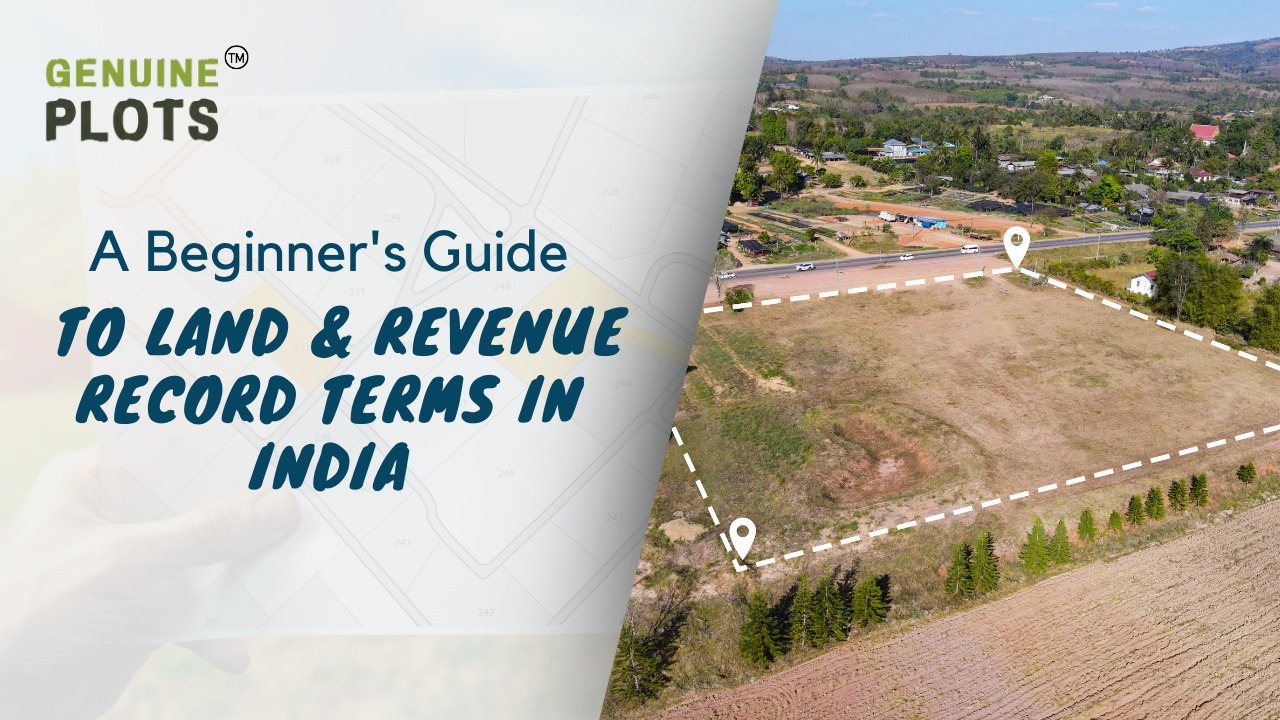
Land transactions can be a labyrinth of confusing terms, especially when checking records online. In this simplified guide, Genuine Plots unravels key terms, empowering you to make informed decisions and ensuring smooth navigation through the world of land transactions. Let's embark on this journey together, where understanding land records becomes as easy as a walk in the park.
Jamabandi
Nakal
Khata
Khasra or DAG Number
Khewat
Mauza
Bainama
Khatauni
Patta
Khudkasht
Embarking on a land transaction journey can be daunting, but armed with these simplified explanations, you'll be better equipped to decode the complexities of land records.
Prev Post
No previous post available
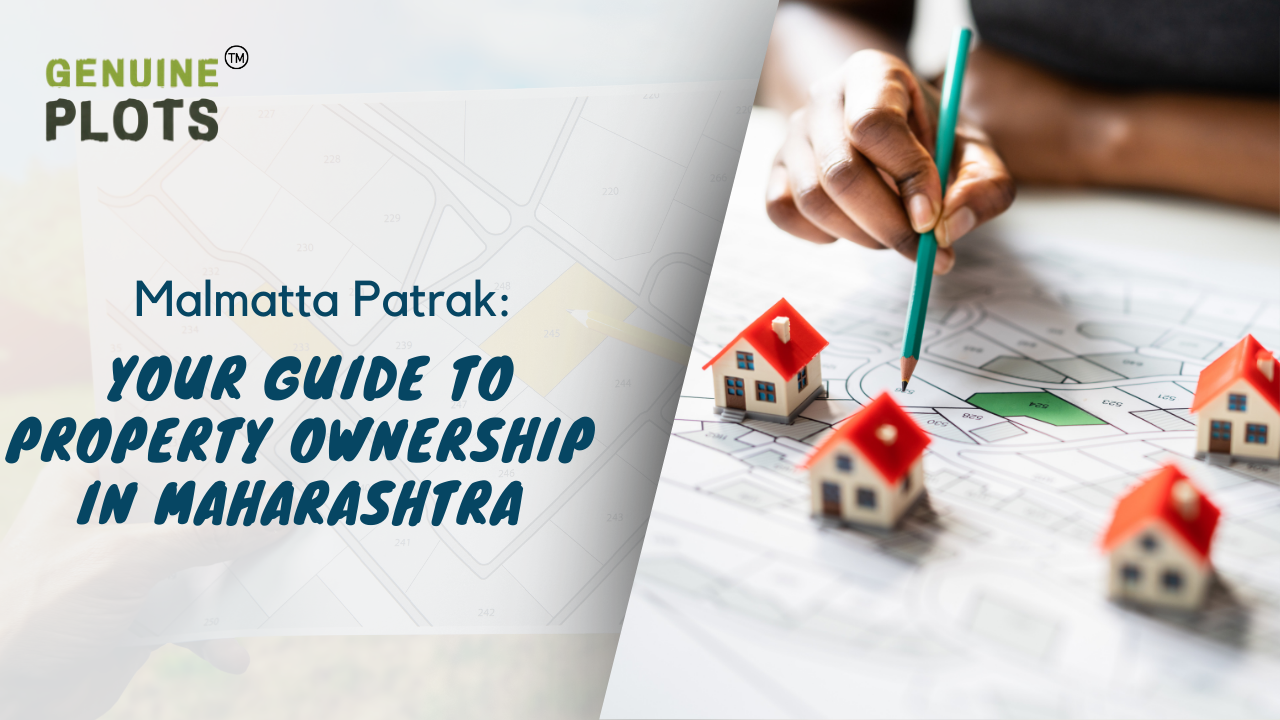
Have you heard about Malmatta Patrak? It's like a magic key that unlocks the secrets of property ownership in Maharashtra. Let's dive into the world of Malmatta Patrak, also known as the Property Card, and discover why it's so important.
Understanding Malmatta Patrak:
Imagine Malmatta Patrak as your property's birth certificate. It's a certified document from the government that tells the story of who owns the land and its history. In cities, it's called a Property Card, while in the rural area, it goes by the name 7/12 extract.
City vs. Rural area: Property Card vs. 7/12 Extract:
Property cards are like urban superheroes, revealing the secrets of city property ownership. On the other hand, 7/12 extracts are the rural warriors guarding the details of land ownership in the countryside.
Why Malmatta Patrak Matters:
Certifying the Real Owner:
It's like a superhero ID for your land, certifying you as the real owner in urban areas.
Detecting False Claims:
Malmatta Patrak helps sniff out any false claims on urban lands, ensuring the real owner is recognized.
Avoiding Land Grabbing:
With Malmatta Patrak, land grabbing becomes a thing of the past. It's your shield against unauthorized takeovers.
Legal Hassle-Free Future:
Hold on to your Malmatta Patrak, and you'll breeze through any legal challenges related to your land in the future.
Practical Uses of Property Card:
Buying Land:
Before you buy land in Maharashtra's urban areas, check the seller's Property Card to ensure they are the rightful owner.
Buying a Flat:
When buying a flat, make sure to peek at the land's ownership details using the Property Card.
Court Litigations:
If there's ever a court battle related to your land in the city, your Property Card becomes your legal sword.
Details Inside the Magic Document:
Inside your Malmatta Patrak, you'll find:
The landowner's name and any changes in ownership.
Survey number and location of the land.
Plot number and the area of the land in square meters.
Records of any loans taken by the landowner.
Information on pending litigations.
A rundown of taxes, paid and unpaid.
Malmatta Patrak is your guardian and proof of ownership. So, if you're in Maharashtra and own land, ensure you know where your Malmatta Patrak is – it's your key to a worry-free land journey!
Ready to Make Your Land Journey Smooth?
Take the help of Genuine Plots for seamless paperwork assistance when buying land. Our team is here to guide you through the process and ensure your property ownership is a hassle-free experience. Contact us today to embark on your land ownership journey with confidence!

Many homebuyers dream of owning an independent home, and for some, the allure lies in the tranquility offered by suburban living. However, finding suitable land within city limits can be challenging, leading many to explore options in the outskirts. One such intriguing option is investing in land within a gram panchayat.
Understanding Panchayat-Approved Plots
In essence, gram panchayats, governing bodies in villages and towns, oversee land parcels within their boundaries. While traditionally limited to leasing land for agricultural purposes, recent court decisions have expanded the usage possibilities. Now, gram panchayat land can be sold for non-agricultural purposes like construction, making it an enticing investment.
The Conversion Process
The District Magistrate (DM) or Collector can convert gram panchayat land for residential use. Upon submission of ownership documents and a conversion fee, the land can be transformed for non-agricultural purposes, opening avenues for residential development.
Benefits of Investing in Gram Panchayat Land
Panchayat-approved plots offer a unique opportunity for affordable and peaceful living. Aspiring homeowners can find solace and value in these lands, away from the chaos of the city. Explore the charm of the countryside lifestyle and consider the possibilities it holds for your dream home with expert guidance from Genuine Plots in Pune.
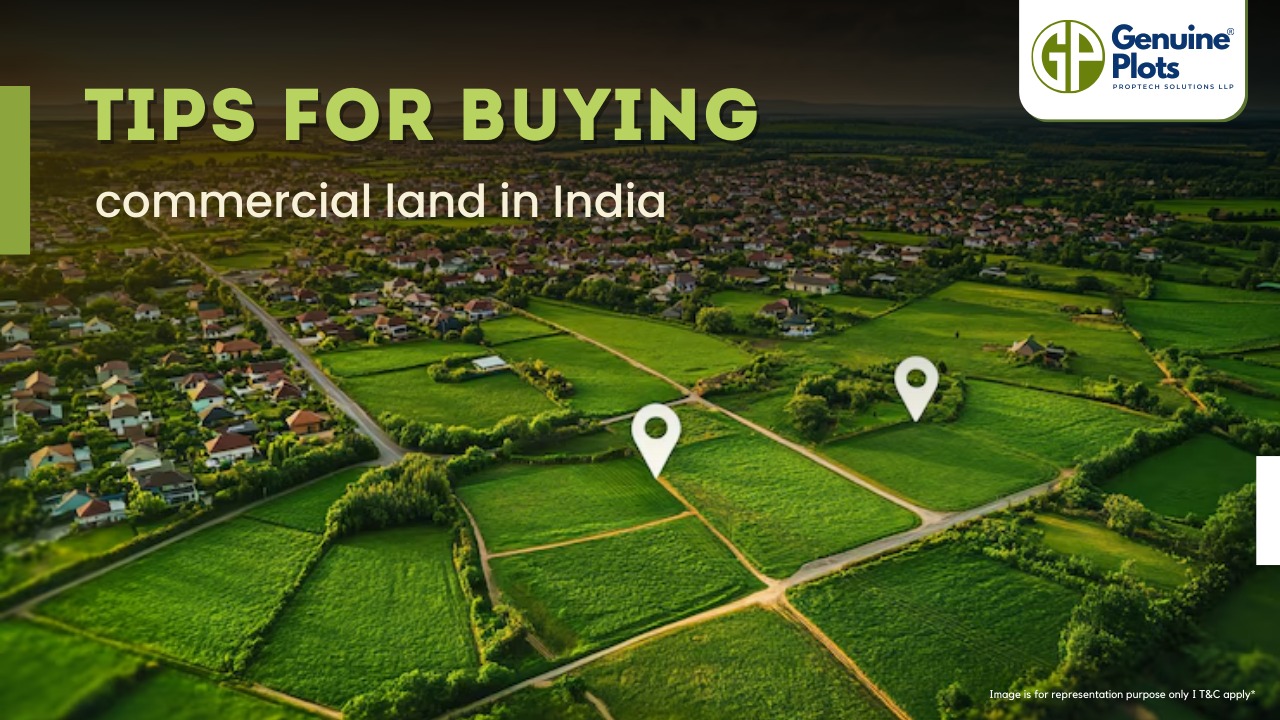
Commercial real estate is among the fastest-growing markets in India. Offices, retail stores, institutions, and industrial developments primarily fall under this umbrella. Commercial property is a property owned to generate income through business activities.
While many prefer developed structures, commercial plots have also been at the center stage due to higher appreciation and relatively lower investment costs than other asset types in commercial real estate.
However, being abreast of the nuances of buying commercial land is crucial to avoid administrative and legal hassles. From paperwork to zoning laws, there are various factors to look into. Let’s look at essential tips for buying commercial land in India.
Types of commercial property
Retail - Retail Shops, Stores, Malls
Industrial- Warehouse, Manufacturing Plants , Factories
Hospitality-Tourism Agencies, Motels, Hotels
Institutional- Schools and Colleges
Office Spaces- Corporate Offices
What’s to check before buying a commercial plot in India?
Review the Location
Taxes and Returns
Check Documents

Nestled in the Western Ghats, there lies a picturesque hill station in the Mawal Taluka of Pune. Spanning an area of 242.96 hectares, this scenic destination captivates visitors with its natural beauty.
The closest airport to this hill station is Pune airport, conveniently located just 45 kilometres away. Additionally, it is also easily accessible from Mumbai, as it is situated approximately 110 kilometres from the bustling city.
With its breathtaking landscapes and convenient location, this hill station is a must-visit for nature enthusiasts and travelers seeking a tranquil escape.
Why invest in Kamshet?
Talegaon, a thriving destination, offers attractive price relaxation in properties, making it an appealing choice for real estate investment. One of its notable features is the presence of five different defence systems at Larsen & Toubro's strategic systems, showcasing the area's strategic importance. Moreover, Talegaon boasts a good number of affordable properties, catering to diverse budgets. Its proximity to the Mumbai-Pune Highway adds to its allure, ensuring convenient connectivity for residents and commuters alike. As a pollution-free location, it has become a favored spot for weekend homes, providing a serene and refreshing getaway. Additionally, Talegaon offers excellent civic amenities and a well-developed social infrastructure. An ideal place to settle down.
What type of land properties is available in Kamshet?
Residential Plot near Mumbai -Pune Highway
Agro farming plot - Near Umbarwadi, Nane road kamshet
Vila Plots - Near Mumbai-Pune Expressway
Bungalow plots in Lonavala Annexe
Plot rates in Kamshet
Rs 2000sq ft onwards
Is real estate in Kamshet evergreen or volatile?
Kamshet, known for its affordable residential options, presents a promising choice for individuals seeking budget-friendly housing. The region boasts big plants of renowned companies like General Motors, Volkswagen, Mahindra, and Cadbury, further adding to its economic significance. Situated in close proximity to the industrial belt of Chakan, Kamshet benefits from its strategic location, attracting professionals working in the industrial sector. The affordability factor plays a pivotal role in fostering the growth of the real estate market in Kamshet, making it an attractive destination for both investors and homebuyers looking for reasonably priced properties.
What are the advantages of owning a property in Kamshet?
Affordable property rates
Better return on investment
Good prospects for buyers who want huge land parcels
All you need to know about land property investment in Kamshet
Kamshet comes under Mawal taluka of Pune. It is 2200 ft above sea level. From Pune, its distance is 45 km. From Lonavala and Khandala, it is 16 km away, and from Mumbai, it is 110 km away. Surrounded by western ghats, magnanimous hills, temples, monasteries, and gurgling waterfalls, kamshet is known as the paraglider's paradise. One of the favorites of tourists, Kamshet has become the best possible location for real estate developers and MNCs. Moreover, its connectivity to the two booming cities of Maharashtra( Mumbai and Pune ) has made it the best possible place for investment.
Economic infrastructure in Kamshet
Until now, Pune was known as the 'Pensioner's Paradise; the city has recently transformed into an investor's paradise. Youngsters prefer outskirts like kamshet and Talegaon. These localities are approximately 30 minutes away from Hinjewadi. These areas are preferred due to affordability factors and the availability of properties for homebuyers. Moreover, setting up manufacturing plants of MNCs's likely to boost the economy of this area.
Major attractions in and around Kamshet
Adventure: For tourists, paragliding is one of the famous adventure sports done super safely by trained professionals.
Places: Bedsa caves, Karla caves, Bhaja caves, and Kondeshwar temple are some of the major tourist attraction spots in and around Kamshet. Khandala, another popular tourist spot, is 16 km away from Kamshet.
Connectivity
Kamshet offers convenient transportation options with a well-connected bus stop, providing regular bus services that connect Mumbai and Pune. Visitors to Kamshet can explore a range of fascinating places, including the Kondeshwar caves, Karla caves, Bedsa caves, and Bhaja caves, all offering glimpses into ancient history and architecture. Additionally, Kamshet is located just 16 kilometers away from the famous tourist spots of Lonavala and Khandala, known for their picturesque landscapes and serene ambiance. Whether it's exploring historical caves or enjoying the natural beauty of nearby destinations, Kamshet provides an ideal basis for an enriching and memorable journey.
When contemplating the acquisition of land property, choose Genuine plots, as they can greatly assist with the accompanying paperwork. Opting for Genuine plots allows buyers to sidestep potential legal disputes and complications that may arise due to ambiguous titles or erroneous documentation. Genuine plots streamline the purchasing process and contribute to a seamless and gratifying transaction.

East Pune offers a diverse range of plot properties and excellent connectivity to major IT parks, the airport, and the railway station. It also boasts proximity to significant locations in Pune, including Koregaon Park, renowned for its cultural and retail significance. Furthermore, East Pune is witnessing the growth of a robust social infrastructure, with top-quality schools, colleges, and medical facilities emerging in the area. Noteworthy infrastructure developments include the conversion of Wagholi Nagar road into a six-lane thoroughfare, and new road construction will connect Wagholi with EON IT Park. East Pune encapsulates convenience, growth, and a promising future for those seeking plot properties.
Why Invest in East Pune
Ample land, affordable prices, and renowned educational institutes drive commercial growth in East Pune. This, in turn, fuels demand for residential units. The upcoming Marvel Edge commercial space is set to boost the realty sector. Wagholi's connectivity to the new international airport contributes to economic growth.
What type of plot properties is available in East Pune
Residential land
NA plots
Advantages of owning a residential plot property in East Pune
Investing in residential plots in East Pune offers several advantages. Firstly, there is a steady annual appreciation in property value, ensuring a potentially profitable investment. Additionally, these plots are available at a low cost, making it an affordable opportunity to enter the real estate market. The region also boasts a good return on investment (ROI) due to its growing popularity and development. Moreover, the advantage of owning a residential plot is that no maintenance is required, allowing owners to focus on customization and development according to their preferences. East Pune presents a promising landscape for residential plot buyers, combining financial benefits and hassle-free ownership.
About Genuine Plot
Investing in land property can be rewarding, but the paperwork and documentation process can often be overwhelming. That's where Genuine Plots steps in. We specialize in providing comprehensive support and assistance to investors looking to make a smart investment in East Pune. Take the first step towards a hassle-free investment experience by contacting Genuine Plots today. Let us handle the documentation process while you focus on building your investment portfolio with confidence.



