Prev Post
No previous post available
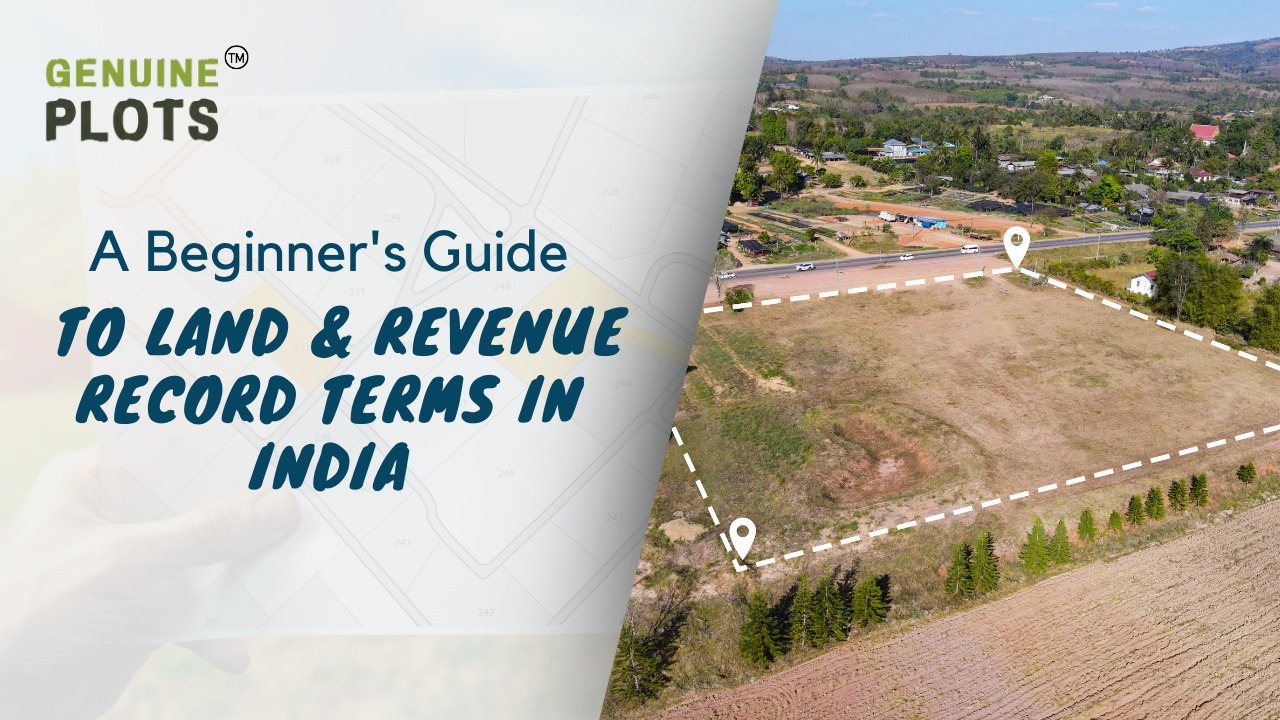
Land transactions can be a labyrinth of confusing terms, especially when checking records online. In this simplified guide, Genuine Plots unravels key terms, empowering you to make informed decisions and ensuring smooth navigation through the world of land transactions. Let's embark on this journey together, where understanding land records becomes as easy as a walk in the park.
Jamabandi
Nakal
Khata
Khasra or DAG Number
Khewat
Mauza
Bainama
Khatauni
Patta
Khudkasht
Embarking on a land transaction journey can be daunting, but armed with these simplified explanations, you'll be better equipped to decode the complexities of land records.
Prev Post
No previous post available
 in Maharashtra A Simple Guide.png)
If you need an Encumbrance Certificate (EC) for a property in Maharashtra, here’s a simple step-by-step guide to help you:


To apply for an EC, you will need the following documents:
To apply for an EC in Maharashtra, you should meet these conditions:
You can obtain your Encumbrance Certificate easily by following these steps
An Encumbrance Certificate (EC) is an important document that proves a property is free from any legal or financial problems. This certificate is issued by the Department of Registration and Stamping in the state or union territory where the property is located. It is needed when you are registering ownership, selling, or transferring property. The EC is also required by banks when you apply for a home loan or a loan against your property.
What Does the Encumbrance Certificate Show?
The Encumbrance Certificate gives a history of the property, showing who owns it and listing all transactions related to it. This can include sales, purchases, loans, leases, and other changes in ownership, like inheritance. The EC can go back as far as 30 years and also include information about any legal disputes or fraud related to the property.
Why is the Encumbrance Certificate Important?

Types of Encumbrance Certificates
There are two types of Encumbrance Certificates, which are issued by the sub-registrar office (SRO):
• This is issued when there have been no transactions recorded for the property during the period the certificate covers. It is also known as a “nil-encumbrance certificate,” meaning there are no encumbrances (issues) on the property.

Investing in plots of land is a smart choice in 2024. Here’s why buying land could be a great decision for your future:
Tangible Asset with Lasting Value
Owning a plot of land means you possess something real and valuable. Land generally retains its worth over time. As a finite resource, land often appreciates, providing a stable and reliable investment.
Flexible Use
A plot of land offers incredible flexibility. Whether you want to build your dream home, set up a business, or sell it later for a profit, land provides a blank canvas for various uses.
Potential to Increase in Value
Historically, land values tend to rise over time. As populations grow and available land becomes scarcer, your plot’s value is likely to increase. This potential for appreciation can be a significant financial advantage, making land a lucrative long-term investment.

Low Maintenance
Compared to properties with buildings, land requires minimal upkeep. You don’t have to worry about repairs, renovations, or managing tenants. This low-maintenance nature reduces costs and stress, making land a hassle-free investment.
Protects Against Inflation
Land acts as a hedge against inflation. As living costs rise, land values often increase, helping to preserve your investment’s value. This protection against inflation ensures that your asset maintains its purchasing power over time.
Opportunity for Future Income
While land doesn’t provide immediate income, it can be a source of future revenue. You might sell it at a higher price later or develop it to generate rental income. This potential for future cash flow adds to the attractiveness of land as an investment.
Investing in plots in 2024 offers numerous benefits. With its enduring value, flexibility, appreciation potential, and low maintenance, land is a solid investment choice. It provides protection against inflation and opportunities for future income, making it a wise addition to your investment portfolio. Start exploring land opportunities today to secure a prosperous future.
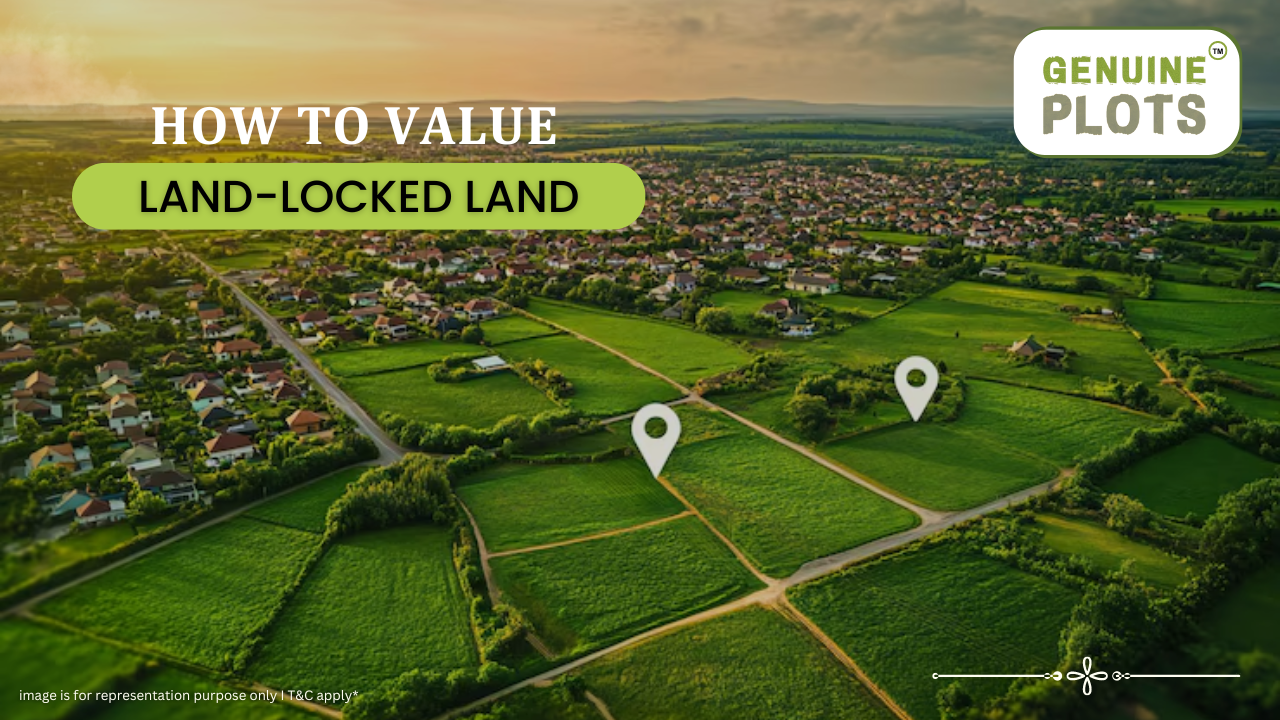
Land-locked land means a piece of land that doesn’t have direct access to roads or other public places. Valuing this type of land can be a bit tricky, but here’s a simple guide to help you understand it better.
- Check where the land is located. Is it close to important places like markets, schools, or factories? Even though it is land-locked, if it is near valuable places, it may be worth more.
- Measure how big the land is. Bigger land usually costs more, but the value also depends on other factors.
- Find other land pieces that are similar and see how much they cost. This will give you an idea of how much your land might be worth.
- Think about what the land can be used for in the future. If it can be used for something important or profitable, it might increase in value.
- Even if the land is land-locked, check if there are plans to improve access in the future. Easier access can make the land more valuable.
- Make sure there are no legal problems with the land. Clear legal status adds to the land’s value.
- If you’re unsure, ask a real estate expert for help. They can provide a more accurate valuation.
In summary, valuing land-locked land involves understanding its location, size, similar land prices, future use, access, legal issues, and sometimes getting professional advice.To learn more and find verified, clean land with expert advice and online booking options, contact Genuine Plots today!
When it comes to real estate investment, whether it's land or an apartment, both options offer lucrative opportunities, but each comes with its own set of advantages and drawbacks. Here’s a comprehensive comparison to help you make an informed choice.
Appreciation Potential:
Plots: Land typically appreciates over time more reliably than apartments. The limited availability of land means its value tends to increase, reflecting the growing demand and scarcity. Unlike buildings, land does not deteriorate but instead appreciates as urban areas expand and develop.
Apartments: While apartments can also appreciate in value, this growth can be slower and is often influenced by factors like the property's age, maintenance, and the surrounding area's development. Apartments depreciate over time due to wear and tear, and their value is closely tied to the building’s condition and location amenities.
Customization and Development:
Plots: Purchasing a plot of land offers flexibility which allows you to create a home or commercial space that meets your specific needs without limitations.
Apartments: Apartments come pre-built, with limited scope for customization. While this can be advantageous if you prefer a ready-to-move-in option, it may not meet all personal preferences and needs.
Plots: Owning land is often seen as a status symbol and can significantly enhance one’s lifestyle. A plot provides the potential to build a spacious home or a large commercial space, reflecting a higher standard of living.
Apartments: While apartments can offer a comfortable and convenient lifestyle, they generally come with size limitations and might not convey the same level of wealth as owning substantial land.
Plots: Land can be acquired and possessed relatively quickly. The transaction process is usually more straightforward, allowing buyers to take control of the property sooner.
Apartments: The process of buying an apartment can be lengthy, involving legal procedures and potential delays in development. It can take months or even years before you are granted ownership, during which time the project’s completion might face setbacks.
Plots: As land does not require immediate maintenance, it is free from concerns related to wear and tear. The value of the land remains unaffected by the passage of time.
Apartments:The quality of an apartment can suffer due to construction delays and cost-cutting measures by builders. Over time, apartments require regular maintenance and repairs, which can affect their long-term value and living conditions.
Conclusion:
Choosing between a plot and an apartment depends on your investment goals and personal preferences. If you value long-term appreciation, customization, and a symbol of wealth, investing in land might be the better option. Conversely, if you prefer immediate use and are willing to accept some level of depreciation, an apartment could be a suitable choice.



