Prev Post
Legal Checklist to Secure Your Investment Before Buying Plots in Nagpur
Tattvana is a premium farmhouse plot community situated in the beautiful landscape of Kamshet and designed to merge nature, luxury and modern-day living. Tattvana has a total of 10 acres of land located in Maharashtra's newest green lifestyle corridor, and will be added to as the development progresses.
Tattvana will appeal to high-net-worth individuals, second-home buyers, and lifestyle-driven investors seeking a retreat that offers peace and serenity and long-term value.
With its location in the growing hot spot of the area, Tattvana offers its residents excellent access to future infrastructure including the proposed Purandar Airport, the development of a new IT corridor and increasing demand for residential development which will all result in significant future appreciation of property values while at the same time providing a place where you can rejuvenate and escape the hustle and bustle of urban life.
Tattvana's common development areas have been fully developed with an emphasis on elemental living,nature-integrated development and nature-friendly planning. Each aspect of the community has been planned to establish an environment that is harmonious with nature:
Themed parks comprising a gaushala (cow shelter)
Butterfly garden
Natural bath
Infrastructure built to support the community, including wi-fi access
Roads for internal travel and provision of electricity and water to each individual home;
Fully gated environment ensuring safety and privacy
A blend of hills, greenery, and serene valley views
With plot sizes ranging from 5,000 sq. ft. to 2 acres and pricing starting at ₹75 lakhs, the project offers flexibility to build premium weekend homes, retirement escapes, or lifestyle farmhouses.
Scenic Views and a Lifestyle Close to Nature
One of the most appealing aspects of Tattvana is its beautiful valley setting—calm, green, and ideal for rejuvenation. Residents can enjoy peaceful surroundings, morning views of Sahyadri hills, and evenings spent unwinding amidst nature.
A Promising Investment in a Growing Region
Kamshet is rapidly developing, supported by improving connectivity and significant planned infrastructure. Tattvana benefits directly from this momentum, offering both immediate lifestyle appeal and strong long-term investment potential.
Conclusion
Tattvana in Kamshet offers a rare combination of premium farmland living, natural beauty, and smart planning. With its peaceful environment, modern amenities, and strategic location, it presents an exceptional opportunity for anyone seeking a luxury retreat or a future-ready investment in Maharashtra’s thriving lifestyle corridor.
10 Essential Checks Before Buying a Plot in Bangalore: A Complete Guide
Buying a plot in Bangalore can be quite exciting, but it can get really tricky if you don't do your homework. Here is a comprehensive guide in simple language with all 10 key checks that you need to perform before buying land:
1. Location & Connectivity
Check that the plot is in a good location with easy access to roads, public transport, schools, and hospitals.
Consider future development that would increase property value, such as metro lines, new roads, or commercial hubs.
2. Land Use & Zoning
Verify the land is for residential purposes, not for industrial or agricultural.
If the land is agricultural, see if it has a land conversion certificate for residential purposes
3. Legal Documents: Title & Ownership
Ask to see the title deed to confirm if the seller is the legal owner.
Check the EC to ensure the plot does not have any legal disputes or loans.
4. Approvals & Clearances
Ensure that the plot or layout is approved by authorities such as BDA, BBMP, or BMRDA.
For gated communities or layouts, verify No Objection Certificates concerning utilities, roads, and the environment.
5. Khata / Municipal Records
Ensure the plot has a valid Khata certificate and extract. An A‑Khata is preferred for easy payment of property tax, registration, and building permission.
Without proper Khata, your loans or legal approvals may face problems.
6. Plot Dimensions, Access & Infrastructure
Check boundaries, road access, and visibility by visiting the site.
Confirm that basic amenities like water, electricity, and drainage are available.
7. Soil, Topography & Suitability
Make sure the land is good and not low-lying or prone to flooding.
Check for soil quality, whether the land is even, or if extra levelling costs are required.
8. Seller Reputation & History
If buying from a developer or agent, check their reputation and past projects.
Ensure that the identity of the seller is straightforward, and there are no disputing co-owners or family issues.
9. Future Development & Resale Value
Research the future growth of the area, like upcoming roads
metro, commercial zones increase value.
10. Budget, Hidden Costs & Exit Strategy
Apart from the plot's price, include stamp duty, registration fees, legal fees, taxes, and development charges.
Think about resale: check whether the plot is in demand and whether banks will give loans on it.
Final Thoughts
Buying a plot in Bangalore could be a very smart investment if you do your checks right. Focus on location, legal status, approvals, infrastructure, and future growth. Always hire a lawyer or property expert to verify the documents and avoid risks. The following 10 checks will help secure your investment and make your dream of owning land in Bangalore hassle-free.

Giving money to individuals or businesses that lower or remove carbon dioxide (CO₂) from the atmosphere is one way to combat climate change.
What is a Carbon Credit?
1. A carbon credit represents 1 ton of CO₂ removed or avoided.
2. Carbon credits can be purchased by businesses or organisations to offset their pollution.
3. People or projects that reduce CO₂ can sell carbon credits and earn money.
How Carbon Credits Work
1. A project reduces or removes carbon dioxide.
Examples: planting trees, using renewable energy, and preventing deforestation.
2. An independent auditor verifies the reduction.
3. A carbon credit is issued for each ton of CO₂ reduced.
4. Companies can buy these credits to balance their emissions.
5. Once used, a credit is “retired” and cannot be used again.
Types of Carbon Credit Markets
1. Compliance Market: The law requires businesses to cut emissions.
2. Voluntary Market: Companies choose to offset emissions for sustainability goals.
Types of Credits:
1. Emission reductions (using cleaner energy)
2. Carbon removal (trees, carbon capture)
3. Avoided emissions (preventing deforestation)
Benefits of Carbon Credits
1. Provides money for projects that reduce carbon.
2. Helps companies meet climate goals.
3. Supports forests, agriculture, and clean energy projects.
4. Encourages long-term environmental protection.
Risks and Things to Watch
1. Not all credits are genuine – some may not really reduce carbon.
2. Avoid double-counting – one ton of CO₂ should not be sold twice.
3. Landowners selling credits may lose rights to claim carbon benefits later.
4. Prices can change, and rules may also change.
Tips for Landowners / Developers
1. Make sure the project has third-party verification.
2. Check the baseline – would carbon reduction have happened anyway?
3. Understand what rights you give when selling credits.
4. Know the long-term commitments (e.g., keeping trees alive).
5. Check market and legal risks before selling.
The Government of India has introduced the Land Registry Rule 2025, a new system to make property registration digital, simple, and faster. This rule replaces the old Registration Act of 1908, which was more than 100 years old and outdated in today’s digital era.
Why is this change needed?
The old law relied on paperwork and physical visits to the sub-registrar's office.
Many property transactions faced delays and confusion about ownership.
Cases of fraud and unclear records made property buying and selling risky.
The new rule aims to address these issues by utilising online technology and digital records.
Key Features of the New Rule
1. Online Registration of Property Documents
2. The buyer's and seller's identities must be verified using Aadhaar or other approved methods.
3. Powers of attorney and agreements to sell must also be registered.
4. To cut down on paperwork and mistakes, all property records will be kept electronically.
5. Online registration makes the process quicker and more citizen-friendly.
Benefits for Property Buyers and Sellers
1. Buyers can complete their registration online, saving time and reducing the need for office visits.
2. Ownership records will be accurate and up-to-date, reducing disputes.
3. Increased transparency will help buyers check legal issues, mortgages, or liabilities on a property.
4. Fraud risks are reduced because digital verification ensures only the rightful owner registers the property.
Things to Prepare
1. Keep all your documents ready and updated (ID proof, sale deeds, tax receipts, etc.).
2. Ensure the seller’s records are clear and the property is listed correctly in government records.
3. Make sure your Aadhaar and identity details are updated for smooth verification.
4. Check with your local sub-registrar or state portal for specific timelines and rules.
5. The Land Registry Rule 2025 promises faster, safer, and simpler property transactions.
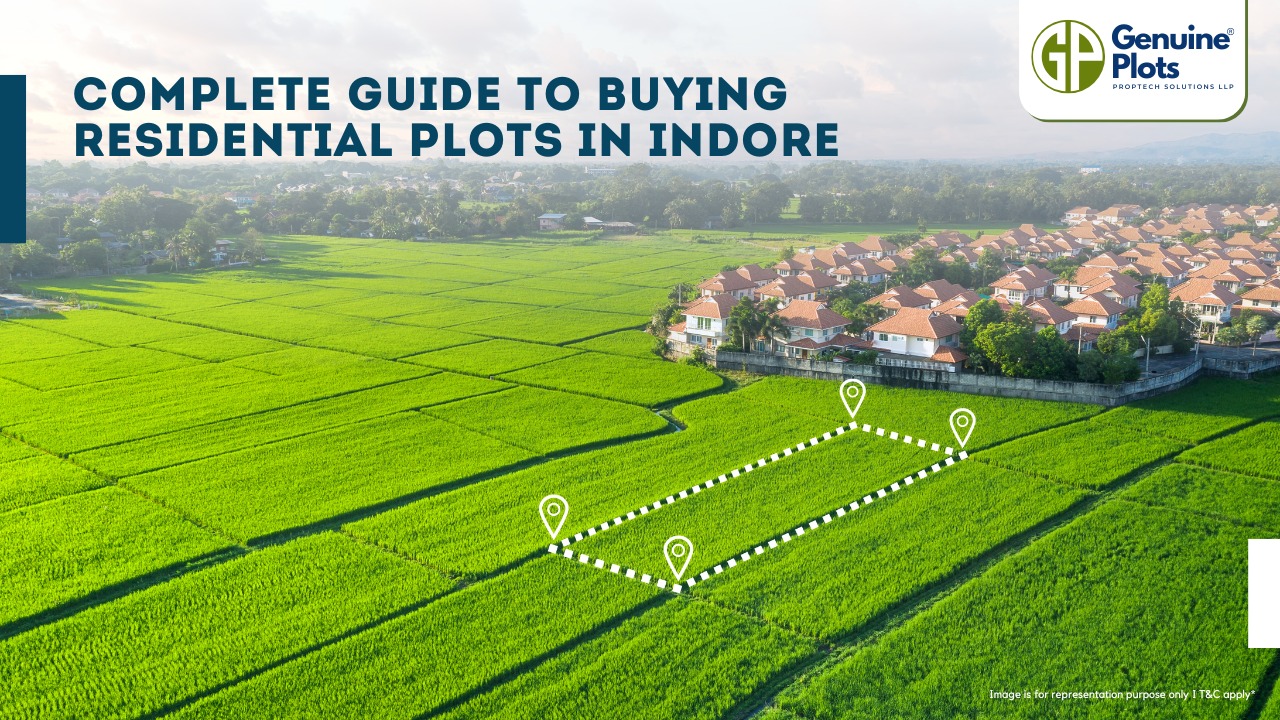
Indore is fast gaining prominence as one of the most sought-after realty destinations in Central India. The city has undergone rapid infrastructural development, maintained good connectivity, and seen an increased demand for residential facilities, especially that of residential plots. Whether you’re planning to build your dream home or invest in the future, it pays to understand Indore’s land market.
Types of Residential Plots in Indore
1. Independent Residential Plots
These are individual pieces of land that allow total freedom in designing and constructing one's own house.
2. Group Housing Plots
These plots cater to the developers or housing societies that are willing to construct apartments or townhouses. Group Housing Plots encourage community living with shared amenities and planned layout.
3. Affordable Housing Plots
Affordable housing plots are found in developing areas and target the first-time buyer or investor on a tight budget.
4. Plots for Luxury Villas
These plots are in posh areas and thus appeal to those people who like seclusion with comfort.
5. Farmhouse Plots
Large farmhouse plots situated on the outskirts of Indore are ideal for weekend residences and private getaways.
6. Plots in Gated Communities
They are found in thoughtfully designed gated communities with 24-hour security, beautifully manicured parks, and recreational amenities. Plots in gated communities offer a premium lifestyle along with safety.
7. Integrated Township Plots
Large-scale integrated townships house residential, commercial, and recreational zones within their premises. A plot here can offer a complete living experience with schools, shopping, and entertainment facilities in close proximity.
Best Areas to Buy Residential Plots in Indore
This city has a number of the best places to buy plots, which offer different advantages in terms of connectivity, amenities, and future appreciation:
Super Corridor, one of the most developed areas in Indore, is located near the airport and IT hubs. Plots here are getting high demand because of strong investment returns.
Scheme No. 78: Well-developed locality with good infrastructure, accessibility to schools, markets, and public transport.
Pipliyahana: It offers affordable and premium plots with good connectivity to the main parts of the town and the development of infrastructure, which is in progress.
Pro Tip
Before purchasing, always verify legal documents, land titles, and approvals. You can also consult with any local property expert or real estate consultant in Indore for an informed and safe investment decision.
Why Indore is the Next Big Real Estate Hotspot: Key Reasons to Invest Now

Affordable yet high-value market:
Both seasoned investors and first-time buyers can benefit from Indore's exceptional affordability and high potential for appreciation.
Booming Economic Growth:
The economy of Indore is laying a solid foundation for long-term real estate growth, thanks to its rapid industrial development and IT expansion.
Connectivity and Lifestyle:
Families and professionals find it highly appealing due to its excellent infrastructure, educational opportunities, medical facilities, and connectivity.
A wide variety of options for investment
From ready-to-move flats to residential plots, Indore offers something for every investment goal and budget.
Expert Advice from Local Property Consultants
Local real estate experts understand the micro-market trends, forthcoming development, and buyer preferences to assist investors in making informed decisions.
Future-Ready City
Indore is poised to become one of India's most promising property destinations with the upcoming infrastructure projects and planned urban development.
Recent Posts
Tags
Bhunaksha,
genuine plots,
Land For Sale,
Maharashtra Bhunaksha,
plots for sale,
Gunthewari,
Gunthewari Land,
Gunthewari Rules,
Extract Documents,
Plots and Lands,
Saat Baara,
Extract Saat,
Baara Utara,
Jamabandi,
property tax payments,
Gram Panchayat,
lower prices,
non-agricultural land,
Lower Investment Cost,
Gram Panchayat lands,
Fresh Land Settlements,
Growing demand,
affordable homes,
genuine p,
legal Land,
bungalow plots,
Konkan,
Maharashtra,
Purandar,
Pune,
Karnataka,
Bangalore,
Farm Land,
Kolkata,
Rajarhat,
Indore,
Chhatrapati Sambhajinagar,
Aurangabad,
Mundhwa,
Agricultural Land,
Farmhouse Plot,
Rules And Penalties,
Residential Plots,
NA PLots,
Residential NA Plots,
Commercial NA Plots,
Animal Husbandry Land,
Tathawade,
Vahivat Land Maps,
Vahivat,
Indian Land Records,
Ownership Rights,
Red zone,
PCMC,
Dehu Road,
Land Registration Rules,
Land Investing,
Infrastructure Growth,
Land Ownership,
Land Encroachment,
Panshet Dam,
Varasgaon Dam,
Verified Land,
Plot For Sale,
Land Investment,
Verified Plots,
Land Acquisiton,
Hydrological Survey,
Invest In Land,
Verified Land Plots,
Panshet,
Khadakwasla,
Land Rules,
Dakhil Kharij,
Land Registry,
Property Onwership,
Clean Title Check List,
Property Verification,
Digital Registry,
Farm Plots,
Agro Property,
Land Value Growth,
Urban Expansion,
Senapati Bapat Road,
Registered Land,
Agricultral Plot,
Purandar Airport,
Safe Investment,
Secure Property,
Plot Buyers,
Approved Plots,
Land ROI,
NA Approved Plots,
NA Land,
Welspun One,
Logistic Park,
Talegaon,
PMC Bharat Mandapam,
Urban Development,
Lohgaon,
Close To Nature,
Gated Community Plots,
Buy Land VS Gold Investment,
NRI Investment,
Future Ready Living,
Trusted Plots,
Plot Investment,
Authentic Land,
Safe Land Buying,
Mumbai,
Premium Plots,
MMR Land Investment,
MMR Infrastructure,
Metro Connectivity,
Plots in Mahabaleshwar hill station investment,
Mahabaleshwar land prices and future growth,
Scenic residential plots in Mahabaleshwar,
Mumbai 3.0,
Mumbai 3.0 vs Mumbai 2.0,
Mumbai property investment,
Real estate investment in Mumbai,
Upcoming residential projects in Mumbai,
CIDCO plot auctions,
CIDCO auction Navi Mumbai,
Upcoming CIDCO plot auctions 2026,
CIDCO land auction dates,
Navi Mumbai plot auctions,
CIDCO plots in Navi Mumbai,
CIDCO plots in Kharghar,
CIDCO plots in Ulwe,
NMIA investment opportunities,
Mumbai 3.0 plotted development,
Mumbai 3.0 real estate,
Plots in Mumbai 3.0,
Land investment in Maharashtra,
Residential plots near Mumbai,
Land appreciation in Mumbai 3.0,
Residential land for sale in Mumbai 3.0,
Altamura NA Plots,
Altamura Nadar City,
NA Plots in Nadar City,
Nadar City Plots,
Plots in Nadar City,
YEIDA plots,
YEIDA plots near Noida Airport,
Noida Airport plots,
Jewar Airport investment,
Yamuna Expressway plots,
YEIDA plot scheme 2026,
Noida Airport real estate,
Zepto,
Zepto effect,
D2C brands India,
Urban consumer trends,
Marketplace evolution,
Urban infrastructure growth,
YEIDA Residential Plot Scheme,
Yamuna Expressway Plot Scheme,
YEIDA Residential Plots,
Yamuna Expressway Authority,
Noida Investment,
Residential Plots in Lucknow,
LDA Plots in Lucknow,
Lucknow Real Estate,
LDA Approved Plots,
Plots for Sale in Lucknow,
Lucknow Property Investment,
Land Investment in Lucknow,
Residential Land in Lucknow,
Buy Plot in Lucknow,
Lucknow Development Authority,
Maharashtra Fragmentation Law 2025,
Fragmentation Act Maharashtra,
Maharashtra land law update 2025,
Maharashtra land reforms 2025,
Land subdivision rules Maharashtra,
Maharashtra agriculture land purchase rules,
Agricultural land purchase restrictions Maharashtra,
Can non-farmers buy agricultural land in Maharashtra,
NA conversion process Maharashtra,
Collector permission for land purchase,
farmland prices in Nagpur,
agricultural land price in Nagpur per acre,
farmland cost in Nagpur Maharashtra,
Nagpur agricultural land investment,
per acre agricultural land rate in Nagpur,
Tukdebandi Law Maharashtra,
Maharashtra Fragmentation Act update,
Land subdivision law Maharashtra,
Agricultural land division Maharashtra,
Maharashtra land reform ordinance,
Plot registration Maharashtra,
Farmland prices Nagpur,
Nagpur agricultural land rates,
Farmland per acre Maharashtra,
Agricultural land price Nagpur,
Farm land cost Nagpur,
Nagpur real estate trends,
Land investment Nagpur,
Avani Farms,
Avani Farms Pune,
Farmland near Pune,
Farm plots for sale,
Agricultural land investment,
Gated farmland near Pune,
NRI agricultural land rules India,
Can NRI buy agricultural land in India,
FEMA rules for NRI property purchase,
RBI guidelines for NRI land investment,
NRI farmland investment India,
Agricultural land purchase by NRI,
Maharashtra Fragmentation Act,
Minimum plot size in Maharashtra,
Guntha rules Maharashtra,
Agricultural land division rules,
Minimum land area for sale in Maharashtra,
Legal plot size in guntha,
Guntha conversion rules,
NRI land purchase in India,
Can NRIs buy agricultural land in India,
NRI property investment India,
NRI buying residential land,
NRI real estate guidelines India,
Investment tips for NRIs in India,
Mutation Entry Process,
Land Mutation in India,
Property Mutation Process,
Land Ownership Transfer,
1 guntha na plot prices in pune 2026,
1 guntha plot price in pune,
na plots in pune,
residential na plots pune,
guntha plot rate in pune,
na plot investment in pune,
plots near purandar airport,
1 Acre Land Price in Pune,
Pune Land Rates 2025,
Pune Land Price 2026,
Pune Acre Land Cost,
Land Value Pune,
Agricultural Land Price Pune,
gated community plots in Hinjewadi,
Hinjewadi plots for sale,
residential plots in Hinjewadi Pune,
premium plots in Hinjewadi,
plots near Rajiv Gandhi Infotech Park,
land for sale in Hinjewadi Pune,
Pune property investment,
plots for sale in Pune below 5 lakhs,
Pune rural land investment,
gated plotting projects Pune,
MIDC growth corridor plots,
Residential plots for sale in Hinjewadi,
Plots in Hinjewadi Pune,
Land for sale in Hinjewadi,
Residential NA plots Hinjewadi,
Hinjewadi real estate trends 2026,
Nashik land investment,
Trimbakeshwar land for sale,
Simhastha Kumbh 2026,
Simhastha Kumbh 2027 real estate impact,
Trimbakeshwar property investment,
Land appreciation in Nashik,
plots for sale in pune,
types of plots in pune,
residential plots in pune,
agricultural land in pune,
villa plots in pune,
NRI agricultural land purchase India,
NRI property investment in India,
Agricultural land rules for NRIs,
NRI real estate investment India,
NA plot meaning,
what is NA land,
NA land in Maharashtra,
land investment guide,
NRI agricultural land in Telangana,
Telangana land laws for NRI,
Telangana real estate laws,
NRI investment guide Telangana,
Legal compliance for NRI property,
NRI farmhouse purchase India,
RBI guidelines for NRI property,
NRI land buying rules,
Godham Eco Village,
Godham Eco Village for NRIs,
NRI land investment in India,
Investment plots for NRIs,
Secure land investment India,
NRI property buying guide,
plots in Pune,
NRI buying property in India,
NRI guide to buying land in Pune,
NRI land investment in Pune,
NRI property documents checklist,
Maharashtra land reform 2025,
Maharashtra land laws update,
Agricultural land rules in Maharashtra,
Buying agricultural land in Maharashtra,
Non-agricultural land conversion Maharashtra,
Maharashtra agricultural land rules 2024,
agricultural land purchase in Maharashtra,
non agriculturist land purchase rules,
who can buy agricultural land in Maharashtra,
Maharashtra land laws for non farmers,
Guntha based land rules,
Minimum guntha rule Maharashtra,
Maharashtra land laws,
Maharashtra agricultural land laws,
farmland investment Maharashtra,
buying farmland legally in Maharashtra,
NA conversion rules Maharashtra,
agricultural land eligibility criteria,
Property Mutation in India,
Land Record Update,
Revenue Records,
Property Ownership Transfer,
Mutation of Property,
Farmhouse Plots Near Pune,
NRI Investment in Pune,
Pune Real Estate,
Plots for Sale Near Pune,
Luxury Farmhouse Plots,
Pune plot scams,
Plot buying checklist,
Legal verification for plots,
NA plot verification,
Plot buying tips Pune,
Godrej Properties,
Evora Estate Panipat,
Luxury plots in Panipat,
Premium land investment,
Residential plots in Panipat,
Lodha Developers,
Lodha Developers Q3 acquisition,
Lodha land parcels Q3,
Indian real estate news,
New residential projects India,
Real estate investment news,
Premium housing projects,
Srijan Group,
Kolkata Tech Park,
Commercial Real Estate,
Real Estate Investment,
Real Estate Deal News,
NRI investment in India,
NRI land investment,
Plots for sale in India,
NRI property investment,
Can NRI buy residential plot in India,
NRI land purchase rules,
Residential plots for NRIs,
NRI real estate investment,
NRIs buying property in India,
Can NRIs buy plots in India 2026,
RBI rules for NRI property purchase,
NRI land investment rules,
MMR 3.0,
MMR real estate 2026,
Mumbai real estate market,
Navi Mumbai investment,
Thane property market,
Mumbai property trends 2026,
Land investment in MMR,
Mumbai smart city project,
Korea Mumbai partnership,
MMRDA infrastructure projects,
Korean investment in India,
MMR GDP growth,
MMR economic roadmap 2030,
Mumbai real estate,
Public private partnership projects Mumbai,
Investment opportunities in MMR,
Mumbai Metropolitan Region,
Mumbai urban development,
MMR 2047 vision,
Mumbai infrastructure projects,
Navi Mumbai development,
Goa property investment,
Invest in Goa 2026,
Goa real estate market 2026,
Best places to invest in Goa,
North Goa property,
Property appreciation in Goa,
Goa plots for sale,
Commercial property in Goa,
Buy property in Goa,
YEIDA plots 2026,
Residential plots in YEIDA,
YEIDA new scheme update,
Plots near Noida International Airport,
Yamuna Expressway Authority plots,
YEIDA housing scheme details,
Lucknow land investment,
Property in Lucknow,
Buy plots in Lucknow,
Nashik plots for sale,
Kumbh Mela 2026 Nashik,
Land investment in Nashik,
Nashik property market 2026,
Plots near Kumbh Mela Nashik,
Residential plots in Nashik,
Upcoming projects in Nashik,
Property appreciation in Nashik,
Maharashtra land investment,
Nashik Kumbh Mela 2026,
Kumbh Mela investment opportunities,
Infrastructure development in Nashik,
Plots near Nashik Kumbh Mela,
High ROI land investment,
MIHAN,
MIHAN Nagpur,
Nagpur Real Estate,
Agricultural Land Nagpur,
Nagpur Property,
Plots Near In MIHAN,
Pune residential plots,
best areas to buy plots in Pune,
Pune land investment,
investment plots in Pune,
buy land in Pune,
real estate investment in Pune,
Godrej Plots Doddaballapur,
Doddaballapur plots for sale,
Plots in North Bangalore,
Godrej Properties plots,
Residential plots in Doddaballapur,
Investment plots near Bangalore,
Gated community plots Bangalore,
Premium plots in Doddaballapur,
plots in Mahabaleshwar,
Mahabaleshwar villa plots,
farmhouse plots in Mahabaleshwar,
land for sale in Mahabaleshwar,
bungalow plots in Mahabaleshwar,
hill station property investment,
agricultural land in Mahabaleshwar,
premium land in Mahabaleshwar,
Plots in Pune under 3 lakhs for sale,
Budget residential plots near Pune,
Low cost plots near Pune highway connectivity,
plots in Pune under 3 lakhs,
farmland plots near Pune city,
Investment plots near Pune under budget,
Residential land near Pune,
Godrej plots in Pune,
Premium plotted development by Godrej in Pune,
Residential land for sale by Godrej,
Premium plot by Godrej,
Plots for sale in Hadapsar Pune,
Residential plots in Hadapsar,
Investment plots in Hadapsar,
Gated community plots in Hadapsar,
Ready to build plots in Hadapsar,
1 Guntha plot in Pune,
1 Guntha plot in Pune for sale,
1 Guntha plots near Pune city,
Residential 1 Guntha land in Pune,
Clear title 1 Guntha plot in Pune,
1 guntha plot price in village,
village plot rate per guntha,
affordable 1 guntha land in rural area,
residential plot in village Pune,
farmland plot price per guntha,
Residential 1 Guntha plot near Pune city,
Investment plots in Pune 1 Guntha,
Clear title 1 Guntha land in Pune,
Agricultural 1 Guntha plot near Pune,
1 Guntha plot in Pune Katraj for sale,
Residential plot in Katraj Pune 1 Guntha,
Katraj Pune land for home construction,
1 Guntha NA plot in Katraj Pune,
Pune Katraj plot near highway connectivity,
Gated plot project in Katraj Pune,
NA plots in Pune under 10 lakhs,
Affordable NA plots near Pune city,
NA residential plots in Pune,
NA approved plots in Pune under 10 lakhs,
Investment plots in Pune under 10 lakhs,
Residential NA plots near Pune highway,
Best plots in Pune below 10 lakhs,
Premium villa plots in Pune,
Residential villa plots in Pune near city outskirts,
Luxury villa plots in Pune,
Gated villa plot project in Pune,
Villa plot site visit in Pune,
NA plots in Pimpri Chinchwad for sale,
Residential NA plots in PCMC area,
NA approved plots in Pimpri Chinchwad,
NA land with clear title in PCMC,
NA plots near Pune Mumbai Highway PCMC,
Godrej Villa Plots Doddaballapur,
Godrej plotted development Bangalore,
villa plots in North Bangalore,
premium villa plots Bangalore,
Godrej Properties plots Bangalore,
Brigade Plots Malur,
Brigade Malur plots,
plots in Malur East Bangalore,
investment plots in East Bangalore,
residential plots in Malur Bangalore,
Brigade Group plots Bangalore,
land investment in East Bangalore,
gated community plots in Malur,
prestige plots devanahalli,
prestige plots in devanahalli bangalore,
plots for sale in devanahalli,
prestige plots investment,
premium plots in devanahalli,
residential plots near kempegowda airport,
What is NA plot in real estate,
NA land meaning in property,
NA approved plotsDifference between NA and agricultural land,
Buying NA plots in Maharashtra,
NA plot vs agricultural land,
Plot prices in Mysore,
Mysore infrastructure projects,
Mysore property investment,
Land investment in Mysore,
Plot investment opportunities,
land buying guide in goa,
buy land in goa,
plots for sale in goa,
legal process to buy land in goa,
property in goa,
residential plots in goa,
Nashik Simhastha Kumbh Mela 2026,
Sadhugram expansion Nashik,
Maharashtra Kumbh Mela planning,
Nashik Kumbh Mela preparations,
tourism development in Nashik,
plots in Nagpur,
Nagpur plot investment,
land for sale in Nagpur,
residential plots in Nagpur,
golden rules before buying plots in Nagpur,
Nagpur land investment,
plot investment in Nagpur,
land investment in Nagpur,
plots for sale in Nagpur,
best areas to buy plots in Nagpur,
buying plots in Nagpur,
plot purchase checklist,
legal checklist for buying land,
documents required for plot purchase,
NA plots in Nagpur,
Tattvana,
Tattvana in Kamshet,
Moregaon Farmland Estates,
farmland investment Pune,
agricultural land investment,,
farmland for sale near Pune,
farm plots in Pune,
gated farmland projects,
agricultural plots Maharashtra,
open plot vs NA plot,
difference between open plot and NA plot,
what is NA plot in India,
open plot meaning in real estate,
NA land vs agricultural land,
residential NA plots benefits,
land investment in India,
buying NA plot vs open land,
capital gains on agricultural land,
rural vs urban agricultural land tax,
agricultural land tax rules India,
capital gains tax India property,
is agricultural land taxable,
rural agricultural land exemption,
urban agricultural land tax India,
Runwal Enterprises Alibaug township,
Alibaug real estate,
coastal real estate India,
township projects in Alibaug,
luxury properties in Alibaug,
Mumbai weekend homes investment,
Alibaug property investment,
isprava south goa,
ultra luxury villas in goa,
south goa real estate,
luxury homes in goa,
isprava projects goa,
premium villas in south goa,
land investment advisory services,
secure land investment,
real estate advisory services,
verified land deals,
investment plots near Pune,
land buying guide India,,
#KanpurRealEstate,
#KDAPlots,
#KanpurProperty,
#RealEstateKanpur,
#PropertyTrends,
Gokul Plots investment,,
real estate investment Gokul,,
plots with high appreciation potential,
smart land investment strategies,
plots for sale in North Bangalore,
land investment Bangalore,,
emerging areas in North Bangalore,
residential plots Bangalore,,
Bangalore real estate investment,,
North Bangalore property trends,,
plots near airport Bangalore,,
HUDA plots in Gurgaon,
HUDA plots in Faridabad,
residential plots Haryana,
HUDA approved plots,
plots for sale in Gurgaon,
plots in Faridabad investment,
Prestige Marigold plots,,
Bangalore plotted developments,
land investment Bangalore,
best plots in North Bangalore,
#PlotsForSaleInNellore,
#NelloreRealEstate,
#NellorePlots,
#RealEstate2026,
#PropertyInvestment,
#NelloreProperty,
#AndhraPradeshRealEstate,
GMADA E Auction 2026,
GMADA plots Mohali,
plots in Mohali for sale,
GMADA Mohali auction process,
buy plots in Mohali,
Punjab property investment,
GMADA scheme 2026,
Mohali real estate,
HSVP plots 2026,
HSVP plot investment,
HSVP plots Haryana,
land investment benefits,
residential plots investment,
government approved plots,
buy plot in New Chandigarh,
flats in New Chandigarh,
New Chandigarh real estate,
property investment in New Chandigarh,
residential plots in New Chandigarh,
apartments in New Chandigarh,
#WaveCityGhaziabad,
#GhaziabadPlots,
#PlotsInGhaziabad,
#NCRRealEstate,
#RealEstateInvestment,
#ResidentialPlots,
APIIC vacant plots,
APIIC plots for sale,
industrial plots in Andhra Pradesh,
commercial land for MSMEs,
startup investment plots,
APIIC industrial land,
HUDA plots,
HUDA plots investment,
property appreciation,
plot investment benefits,
high return property investment,
land appreciation,
#GDAPlotsInGhaziabad,
#PlotsForSaleInGhaziabad,
#ResidentialPlotsGhaziabad,
#InvestmentPlots,
#RealEstateGhaziabad,
#GDAApprovedPlots,
#BaliProperty,
#PropertyInBali,
#IndiansInBali,
#BaliRealEstate,
#InternationalPropertyInvestment,
buy plots in Sarjapur Road Bangalore,
plots in Sarjapur Road,
residential plots in Sarjapur Road,
land for sale in Sarjapur Road Bangalore,
investment plots in Bangalore,
plots near IT corridor Bangalore,
how Indians can buy property in Bali,
buy property in Bali for Indians,
Bali property investment,
property in Bali for Indian buyers,
Bali real estate guide,
foreign property investment Bali,
legal checks before buying property in Bali,
Indians invest in Bali property,
due diligence for Bali property,
Bali real estate for Indians,
Bali property legal verification,
verified farmland plots,
100% verified farmland plots,
farmland investment India,
legal farmland plots,
farmland plots for sale,
Konkan land investment,,
high-growth corridors Maharashtra,
land investment 2026,
plots for sale in Maharashtra,



