Prev Post
Capital Gains on Sale of Agricultural Land: Rural vs Urban ExplainedRunwal Enterprises’ Massive Rs 20,000 Crore Township in Alibaug: A Game-Changer for Coastal Real Estate
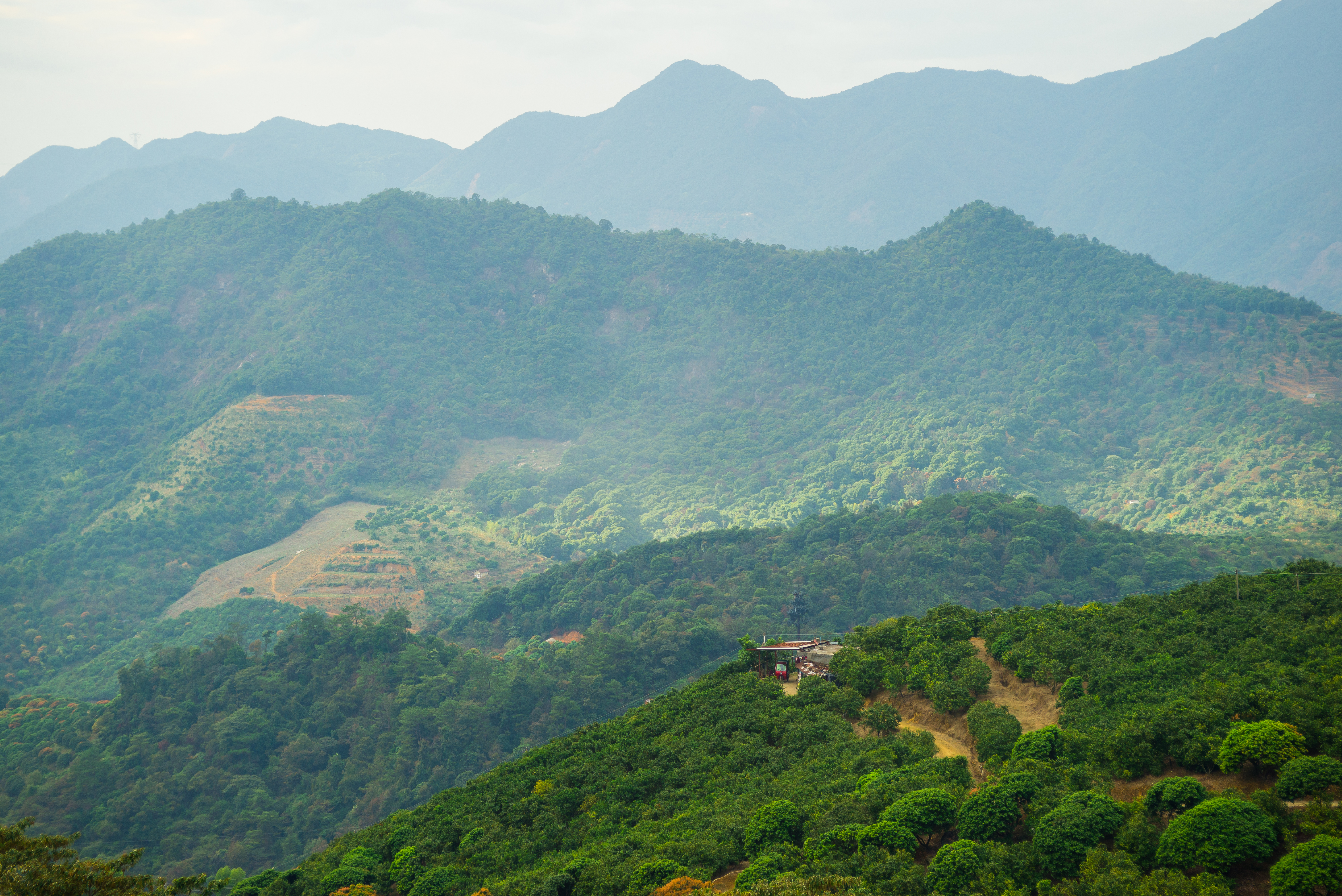
Runwal Enterprises has taken a bold step into large-format township development with the acquisition of 200 acres of prime land in Alibaug for an ambitious integrated township project with a gross development value (GDV) of around ₹20,000 crore. The project, announced in early 2026, reflects growing investor and developer confidence in Alibaug as a future residential and mixed-use hub near Mumbai.
A Visionary Township with Mixed-Use Potential
The Alibaug township would come up according to the Maharashtra Regional and Town Planning Act, which permits large contiguous areas to be developed into self-sustaining towns with internal infrastructure developed within them. The project would comprise a range of facilities such as residential and commercial areas, a five-star hotel, and a golf course.
The township would offer an estimated 20 million sq ft of development potential and would take around seven years to complete, allowing for phased launches of the project based on market needs.
Strategic Investment and Hybrid Land Deal Structure
While the GDV of the township is set at ₹20,000 crores, the investment planned by Runwal Enterprises amounts to ₹9,000 crores, which includes land acquisition costs and building costs. Even the land acquisition cost was designed on a hybrid model of advance payment and space-sharing with the landowner, a practice that is fast gaining traction for large land acquisitions to optimise capital and create win-win situations for landowners and developers.
Why Alibaug Is Gaining Attention
Originally known as a weekend holiday destination for affluent Mumbai residents, Alibaug has been steadily gaining traction among developers looking for large-scale opportunities outside urban cores. Improved connectivity — including better road links and enhanced ferry services — has reduced travel time from Mumbai and improved accessibility, making it attractive for both permanent living and mixed-use developments.
Trends Supporting Large Townships
Large township projects are increasingly favoured by developers because they allow for:
Diverse product mix (residential, retail, hospitality)
Phasing of development based on demand cycles
Regulatory certainty under specific planning enactments
Development of self-sustained townships with internal infrastructure
As developers look for markets outside the saturated core markets of Mumbai and Pune, the landscape of Alibaug is set for a transformation.
Looking Ahead
If the project comes off well, the Runwal Alibaug township could be the beginning of a new kind of development for the coastal areas near the larger metros, transforming them from merely seasonal getaway homes to vibrant new towns with immense growth and investment potential. Such large-scale development projects, if planned well and implemented over time, could be the new benchmark for the expansion of the real estate sector along the new growth corridors that India has to offer.

A plot in Maharashtra is a highly valued financial purchase. The purchase procedure is done through a detailed planning process adhering to specific state regulations. Here are a few financing tips to help you:
Explore options available for land loans
Several financial institutions like Bank of Maharashtra and ICICI Bank offer loans specifically designed for land purchases:
- Bank of Maharashtra: Offers the "Maha Super Housing Loan Scheme" for the purchase of plots and subsequent construction.
- ICICI Home Finance: Provides plot loans up to ₹1 crore for purchasing vacant plots intended for residential construction.
- Evaluate Your Financial Preparedness
Access your financial situation before applying for a loan:
- Credit Score: A good credit score can help you secure better loan terms.
- Debt-to-Income Ratio: Maintain a low ratio to demonstrate financial stability to lenders.
- Down Payment: Be prepared to make a significant down payment, often between 20% to 50% of the land's purchase price.
- Understand State-Specific Regulations
Maharashtra has specific laws governing land transactions:
- Maharashtra Tenancy and Agricultural Lands Act, 1948: Restricts the transfer of agricultural land to non-agriculturists without prior permission.
- Maharashtra Land Revenue Code, 1966: Governs land revenue and related matters in the state.
- Conduct Thorough Due Diligence
- Verify Zoning Laws: Confirm that the land's zoning aligns with your intended use.
- Assess Utility Access: Determine the availability of essential utilities like water, electricity, and sewage.
- Perform Environmental Tests: Check for environmental issues that could affect land use or value.
- Plan for Additional Costs
Anticipate expenses beyond the purchase price:
- Property Taxes: Understand the tax obligations associated with the land.
- Insurance: Consider land insurance to protect against unforeseen events.
- Development Costs: If you plan to build, factor in the costs of construction, permits, and landscaping.
By following these funding tips and the guidance from the expertise of Genuine Plots in Pune Maharashtra state, you make the right and informed decision concerning getting a plot for sale in
Weekend getaways Redefined: Owning a Plot Near Scenic Locations in Pune

Today, every person living in a fast city life wishes for a serene getaway. Apartments are convenient, but people have a growing trend of owning plots near scenic locations. Why? Owning a plot offers flexibility, privacy, and an opportunity to build your dream space amidst nature. Let's explore how owning a plot near picturesque locations like Mulshi and Kamshet redefines weekend getaways and why it is better than apartment living.
Freedom to Build Your Vision
Unlike apartments, which come with fixed designs and limited personalization, owning a plot gives you the liberty to design your home as per your needs. Want a cozy villa with a garden? Or a modern holiday home with large windows to enjoy the view? The choice is yours. With a plot, you create a space that reflects your style and caters to your family’s needs.
Closer to Nature, Away from the Chaos
Mulshi is a favourite for nature lovers because of its lush greenery, pristine lake, and peaceful atmosphere. Kamshet has rolling hills and pleasant weather, making it the perfect place for relaxation. Wake up to breathtaking views and clean air every weekend by owning a plot here.
A Weekend Getaway Always Ready
Imagine having a second home just a short drive away where you can unwind without planning a trip. Owning a plot near Pune’s scenic locations lets you escape the city stress whenever you want. Whether it’s a family gathering, a quiet retreat, or an adventurous weekend, your getaway is always ready.
A Smart Investment
Mulshi and Kamshet are a fair distance from the eye-catching popular tourist destinations. They are places where an individual can live, breathe, and afford if that is his aim, but also the place where smart investment can be done. With Pune growing, infrastructure here is developing more, and connectivity is bettering every day. So, naturally, property value will escalate.
Health and Wellness Benefits
Living close to nature has proven health benefits. The fresh air, greenery, and tranquil surroundings reduce stress and promote mental well-being. Your plot near Mulshi or Kamshet can become your personal wellness retreat, helping you recharge and stay healthy.
Why Choose a Plot Over an Apartment?
Although apartments are fantastic for city life, they still limit you with shared walls, no privacy, and fixed layouts. A plot offers more space, flexibility, and the chance to create a home that's uniquely yours.
Having a plot near Mulshi and Kamshet, which provide stunning views, is a trendy deed, and it is an upgrade in lifestyle. So, if you are thinking of weekend getaways that feel like home, investing in a plot would be the perfect decision for you. If you are thinking of buying a plot, take the expertise of Genuine Plots to make the informed decision and turn your dreams into reality.

Investing in a plot proves to be a long-term asset, bearing huge returns in the future. In addition, when certain amenities come with the plot, your plots increase in value. These become not just an attractive property but can improve one's lifestyle experience on the whole. Here are the top 5 add-ons that make your plot investment more valuable:.
Security Features
Security is one of the most important factors when considering an investment in a plot. A plot with proper security measures like gated entry, CCTV cameras, and security guards ensures that you and your family feel safe. It adds peace of mind, especially for those who want to build their dream villa in a secure and protected environment. Enhanced security features increase the demand for your plot and its overall value.
Gardens and Green Spaces
A beautiful garden or green space can add great beauty to your plot. Whether it is a small garden area or a large park, open spaces with trees and plants improve the environment and bring in a sense of calm and serenity. An increased level of livability occurs with a well-maintained garden and a place to relax, meditate, or just be outside in nature.
Parking Area
Sufficient parking space is essential. A well-planned parking area makes life easier and more convenient for the plot owner. It also reduces the chances of conflicts or issues related to parking in the neighborhood. Ensuring that your plot has ample parking space increase its appeal to potential buyers.
Jogging Tracks and Walking Trails
Jogging tracks and walking trails add value to a property, especially among health-conscious people, as these can be utilized in order to remain fit without having to move out of your plot. The physical fitness thus generated in both the morning and the evening may also add value to your plot. These trails encourage interaction among neighbors, thereby creating a feeling of community.
Indoor Game Areas
More and more people seek indoor game areas as they search for relaxation and entertainment away from long-distance traveling. It could be a gym, table tennis, pool tables, or any other form of recreational facilities. It is an added convenience and source of entertainment for the residents and hence makes the property more desirable. The lifestyle and social interaction in the community are enhanced.
Conclusion
Invest in a plot having these top 5 facilities available — security features, gardens, parking, jogging tracks, and indoor game areas — and watch your plot increase exponentially in value. Genuine Plots can assist you in getting the best plots for your dream villa with zero legal hassle. From document verifications to ensuring that all necessary amenities are in place, Genuine Plots helps you make an informed, secure, and rewarding investment. Your dream villa can become a reality in a well-equipped, safe, and thriving community.
Maximizing ROI: Why Plots Are a Long Term Wealth Creation Strategy

Buying land has always been one of the most popular investment choices, since people have always sought wealth generation. Buying plots of land is arguably one of the most effective techniques for achieving the highest ROI on investment. Here is why buying plots will likely increase your chances of securing a bright financial future.
Appreciation Over Time
Land is not a non-renewable resource. Whether the plot is in a developing area or near an established city,there is always a chance of appreciation. Unlike buildings that may depreciate over time due to wear and tear, land remains a durable and appreciating asset.
Lower Initial Investment
Compared to ready-built property, the cost of buying a plot is relatively low. Therefore, with relatively low initial investment, first-time investors or those seeking portfolio diversion can invest in prime locations that offer high growth potential.
Flexibility in Development
The primary advantage of a plot is that it leaves you with your choice to develop it according to your wish. You can wait for years without using the plot while its price increases or wait until the correct time to transform it into a home, business premises, or other income-generating activities and reap your investment to match your money objectives.
Prime Locations Are Key
An investment made in a plot near infrastructural development like IT hubs, highways, or upcoming commercial zones adds significant returns to the portfolio. Locality, like Hinjewadi Phase 3, will witness high demand from employment avenues and the urban setting itself, and the investment could well be chanced upon for many.
Potential for Passive Income
Once you've bought a piece of land, you can let it out to people for different purposes, say parking, storage, or even farmland, based on the land's location. This provides additional income while the asset appreciates in value.
Future-Ready Investment
The plots can be easily designed for future requirements. Be it a family home, a tourist destination, or a higher price sale, land proves to be a diverse asset. With time, cities expand, and new projects are set in place, while the price of plots at strategic areas only increases.
Final Thoughts
Investing in plots is a very good way to create wealth in the long run. It has high appreciation potential, and the risks involved are quite lower compared to other investment options. There is high scope for growth, and with the right location plus clear legal property status, you get an asset that pays you back for thousands of years.
If you’re looking to invest in plots that promise both value and growth, consider exploring options near rapidly developing areas and the expertise of Genuine Plots in Pune . Your future self will thank you for it!
Why Mulshi is the Perfect Investment Opportunity for Your Next Home

Mulshi is one of the most attractive destinations for investment. Close to Pune, nestled among the breathtaking Sahyadri ranges, close to natural beauty, peaceful surroundings, and easy connectivity, it's a perfect weekend getaway destination as well as a great choice for the second home or even a long-term investment, making it a very attractive option.
Natural Beauty and Peaceful Environment
The charm of Mulshi lies in its peaceful atmosphere and the beauty of its scenic landscape. Away from the noise of the city, it offers a quiet environment ideal for those looking to escape the noise. It is an excellent spot for weekend retreats or building a second home where one can recharge and enjoy the calm.
Proximity to Pune and Excellent Connectivity
Mulshi enjoys easy access to the city via the Mumbai-Pune Expressway. This makes it a convenient option for professionals who want to live in a peaceful area while still being close enough to the city for work and essential services.

Growing Infrastructure and Development
Mulshi is not only known for its natural beauty but also for its growth. Many new gated communities and commercial projects are being built here, including gated communities, luxury villas, and affordable housing options. The area has seen considerable attention from the developers for focusing on eco-friendly practices, hence it's a wise decision for any sustainable living opportunity. With further development in infrastructure, Mulshi will become a destination that people might be interested to own homes there.
High Investment Potential
With natural beauty, infrastructural development, and an increased demand for weekend and second homes by city dwellers, Mulshi is bound to see significant capital growth and strong rental returns. Holding much promise for the future, this location will certainly assure a sizeable return over the long term.
Mulshi offers a peaceful yet connected lifestyle, surrounded by nature, and it’s becoming one of the best investment opportunities near Pune. If you’re looking for a place to build a second home or invest in a growing area, Mulshi is worth considering.
Recent Posts
Tags
Bhunaksha,
genuine plots,
Land For Sale,
Maharashtra Bhunaksha,
plots for sale,
Gunthewari,
Gunthewari Land,
Gunthewari Rules,
Extract Documents,
Plots and Lands,
Saat Baara,
Extract Saat,
Baara Utara,
Jamabandi,
property tax payments,
Gram Panchayat,
lower prices,
non-agricultural land,
Lower Investment Cost,
Gram Panchayat lands,
Fresh Land Settlements,
Growing demand,
affordable homes,
genuine p,
legal Land,
bungalow plots,
Konkan,
Maharashtra,
Purandar,
Pune,
Karnataka,
Bangalore,
Farm Land,
Kolkata,
Rajarhat,
Indore,
Chhatrapati Sambhajinagar,
Aurangabad,
Mundhwa,
Agricultural Land,
Farmhouse Plot,
Rules And Penalties,
Residential Plots,
NA PLots,
Residential NA Plots,
Commercial NA Plots,
Animal Husbandry Land,
Tathawade,
Vahivat Land Maps,
Vahivat,
Indian Land Records,
Ownership Rights,
Red zone,
PCMC,
Dehu Road,
Land Registration Rules,
Land Investing,
Infrastructure Growth,
Land Ownership,
Land Encroachment,
Panshet Dam,
Varasgaon Dam,
Verified Land,
Plot For Sale,
Land Investment,
Verified Plots,
Land Acquisiton,
Hydrological Survey,
Invest In Land,
Verified Land Plots,
Panshet,
Khadakwasla,
Land Rules,
Dakhil Kharij,
Land Registry,
Property Onwership,
Clean Title Check List,
Property Verification,
Digital Registry,
Farm Plots,
Agro Property,
Land Value Growth,
Urban Expansion,
Senapati Bapat Road,
Registered Land,
Agricultral Plot,
Purandar Airport,
Safe Investment,
Secure Property,
Plot Buyers,
Approved Plots,
Land ROI,
NA Approved Plots,
NA Land,
Welspun One,
Logistic Park,
Talegaon,
PMC Bharat Mandapam,
Urban Development,
Lohgaon,
Close To Nature,
Gated Community Plots,
Buy Land VS Gold Investment,
NRI Investment,
Future Ready Living,
Trusted Plots,
Plot Investment,
Authentic Land,
Safe Land Buying,
Mumbai,
Premium Plots,
MMR Land Investment,
MMR Infrastructure,
Metro Connectivity,
Plots in Mahabaleshwar hill station investment,
Mahabaleshwar land prices and future growth,
Scenic residential plots in Mahabaleshwar,
Mumbai 3.0,
Mumbai 3.0 vs Mumbai 2.0,
Mumbai property investment,
Real estate investment in Mumbai,
Upcoming residential projects in Mumbai,
CIDCO plot auctions,
CIDCO auction Navi Mumbai,
Upcoming CIDCO plot auctions 2026,
CIDCO land auction dates,
Navi Mumbai plot auctions,
CIDCO plots in Navi Mumbai,
CIDCO plots in Kharghar,
CIDCO plots in Ulwe,
NMIA investment opportunities,
Mumbai 3.0 plotted development,
Mumbai 3.0 real estate,
Plots in Mumbai 3.0,
Land investment in Maharashtra,
Residential plots near Mumbai,
Land appreciation in Mumbai 3.0,
Residential land for sale in Mumbai 3.0,
Altamura NA Plots,
Altamura Nadar City,
NA Plots in Nadar City,
Nadar City Plots,
Plots in Nadar City,
YEIDA plots,
YEIDA plots near Noida Airport,
Noida Airport plots,
Jewar Airport investment,
Yamuna Expressway plots,
YEIDA plot scheme 2026,
Noida Airport real estate,
Zepto,
Zepto effect,
D2C brands India,
Urban consumer trends,
Marketplace evolution,
Urban infrastructure growth,
YEIDA Residential Plot Scheme,
Yamuna Expressway Plot Scheme,
YEIDA Residential Plots,
Yamuna Expressway Authority,
Noida Investment,
Residential Plots in Lucknow,
LDA Plots in Lucknow,
Lucknow Real Estate,
LDA Approved Plots,
Plots for Sale in Lucknow,
Lucknow Property Investment,
Land Investment in Lucknow,
Residential Land in Lucknow,
Buy Plot in Lucknow,
Lucknow Development Authority,
Maharashtra Fragmentation Law 2025,
Fragmentation Act Maharashtra,
Maharashtra land law update 2025,
Maharashtra land reforms 2025,
Land subdivision rules Maharashtra,
Maharashtra agriculture land purchase rules,
Agricultural land purchase restrictions Maharashtra,
Can non-farmers buy agricultural land in Maharashtra,
NA conversion process Maharashtra,
Collector permission for land purchase,
farmland prices in Nagpur,
agricultural land price in Nagpur per acre,
farmland cost in Nagpur Maharashtra,
Nagpur agricultural land investment,
per acre agricultural land rate in Nagpur,
Tukdebandi Law Maharashtra,
Maharashtra Fragmentation Act update,
Land subdivision law Maharashtra,
Agricultural land division Maharashtra,
Maharashtra land reform ordinance,
Plot registration Maharashtra,
Farmland prices Nagpur,
Nagpur agricultural land rates,
Farmland per acre Maharashtra,
Agricultural land price Nagpur,
Farm land cost Nagpur,
Nagpur real estate trends,
Land investment Nagpur,
Avani Farms,
Avani Farms Pune,
Farmland near Pune,
Farm plots for sale,
Agricultural land investment,
Gated farmland near Pune,
NRI agricultural land rules India,
Can NRI buy agricultural land in India,
FEMA rules for NRI property purchase,
RBI guidelines for NRI land investment,
NRI farmland investment India,
Agricultural land purchase by NRI,
Maharashtra Fragmentation Act,
Minimum plot size in Maharashtra,
Guntha rules Maharashtra,
Agricultural land division rules,
Minimum land area for sale in Maharashtra,
Legal plot size in guntha,
Guntha conversion rules,
NRI land purchase in India,
Can NRIs buy agricultural land in India,
NRI property investment India,
NRI buying residential land,
NRI real estate guidelines India,
Investment tips for NRIs in India,
Mutation Entry Process,
Land Mutation in India,
Property Mutation Process,
Land Ownership Transfer,
1 guntha na plot prices in pune 2026,
1 guntha plot price in pune,
na plots in pune,
residential na plots pune,
guntha plot rate in pune,
na plot investment in pune,
plots near purandar airport,
1 Acre Land Price in Pune,
Pune Land Rates 2025,
Pune Land Price 2026,
Pune Acre Land Cost,
Land Value Pune,
Agricultural Land Price Pune,
gated community plots in Hinjewadi,
Hinjewadi plots for sale,
residential plots in Hinjewadi Pune,
premium plots in Hinjewadi,
plots near Rajiv Gandhi Infotech Park,
land for sale in Hinjewadi Pune,
Pune property investment,
plots for sale in Pune below 5 lakhs,
Pune rural land investment,
gated plotting projects Pune,
MIDC growth corridor plots,
Residential plots for sale in Hinjewadi,
Plots in Hinjewadi Pune,
Land for sale in Hinjewadi,
Residential NA plots Hinjewadi,
Hinjewadi real estate trends 2026,
Nashik land investment,
Trimbakeshwar land for sale,
Simhastha Kumbh 2026,
Simhastha Kumbh 2027 real estate impact,
Trimbakeshwar property investment,
Land appreciation in Nashik,
plots for sale in pune,
types of plots in pune,
residential plots in pune,
agricultural land in pune,
villa plots in pune,
NRI agricultural land purchase India,
NRI property investment in India,
Agricultural land rules for NRIs,
NRI real estate investment India,
NA plot meaning,
what is NA land,
NA land in Maharashtra,
land investment guide,
NRI agricultural land in Telangana,
Telangana land laws for NRI,
Telangana real estate laws,
NRI investment guide Telangana,
Legal compliance for NRI property,
NRI farmhouse purchase India,
RBI guidelines for NRI property,
NRI land buying rules,
Godham Eco Village,
Godham Eco Village for NRIs,
NRI land investment in India,
Investment plots for NRIs,
Secure land investment India,
NRI property buying guide,
plots in Pune,
NRI buying property in India,
NRI guide to buying land in Pune,
NRI land investment in Pune,
NRI property documents checklist,
Maharashtra land reform 2025,
Maharashtra land laws update,
Agricultural land rules in Maharashtra,
Buying agricultural land in Maharashtra,
Non-agricultural land conversion Maharashtra,
Maharashtra agricultural land rules 2024,
agricultural land purchase in Maharashtra,
non agriculturist land purchase rules,
who can buy agricultural land in Maharashtra,
Maharashtra land laws for non farmers,
Guntha based land rules,
Minimum guntha rule Maharashtra,
Maharashtra land laws,
Maharashtra agricultural land laws,
farmland investment Maharashtra,
buying farmland legally in Maharashtra,
NA conversion rules Maharashtra,
agricultural land eligibility criteria,
Property Mutation in India,
Land Record Update,
Revenue Records,
Property Ownership Transfer,
Mutation of Property,
Farmhouse Plots Near Pune,
NRI Investment in Pune,
Pune Real Estate,
Plots for Sale Near Pune,
Luxury Farmhouse Plots,
Pune plot scams,
Plot buying checklist,
Legal verification for plots,
NA plot verification,
Plot buying tips Pune,
Godrej Properties,
Evora Estate Panipat,
Luxury plots in Panipat,
Premium land investment,
Residential plots in Panipat,
Lodha Developers,
Lodha Developers Q3 acquisition,
Lodha land parcels Q3,
Indian real estate news,
New residential projects India,
Real estate investment news,
Premium housing projects,
Srijan Group,
Kolkata Tech Park,
Commercial Real Estate,
Real Estate Investment,
Real Estate Deal News,
NRI investment in India,
NRI land investment,
Plots for sale in India,
NRI property investment,
Can NRI buy residential plot in India,
NRI land purchase rules,
Residential plots for NRIs,
NRI real estate investment,
NRIs buying property in India,
Can NRIs buy plots in India 2026,
RBI rules for NRI property purchase,
NRI land investment rules,
MMR 3.0,
MMR real estate 2026,
Mumbai real estate market,
Navi Mumbai investment,
Thane property market,
Mumbai property trends 2026,
Land investment in MMR,
Mumbai smart city project,
Korea Mumbai partnership,
MMRDA infrastructure projects,
Korean investment in India,
MMR GDP growth,
MMR economic roadmap 2030,
Mumbai real estate,
Public private partnership projects Mumbai,
Investment opportunities in MMR,
Mumbai Metropolitan Region,
Mumbai urban development,
MMR 2047 vision,
Mumbai infrastructure projects,
Navi Mumbai development,
Goa property investment,
Invest in Goa 2026,
Goa real estate market 2026,
Best places to invest in Goa,
North Goa property,
Property appreciation in Goa,
Goa plots for sale,
Commercial property in Goa,
Buy property in Goa,
YEIDA plots 2026,
Residential plots in YEIDA,
YEIDA new scheme update,
Plots near Noida International Airport,
Yamuna Expressway Authority plots,
YEIDA housing scheme details,
Lucknow land investment,
Property in Lucknow,
Buy plots in Lucknow,
Nashik plots for sale,
Kumbh Mela 2026 Nashik,
Land investment in Nashik,
Nashik property market 2026,
Plots near Kumbh Mela Nashik,
Residential plots in Nashik,
Upcoming projects in Nashik,
Property appreciation in Nashik,
Maharashtra land investment,
Nashik Kumbh Mela 2026,
Kumbh Mela investment opportunities,
Infrastructure development in Nashik,
Plots near Nashik Kumbh Mela,
High ROI land investment,
MIHAN,
MIHAN Nagpur,
Nagpur Real Estate,
Agricultural Land Nagpur,
Nagpur Property,
Plots Near In MIHAN,
Pune residential plots,
best areas to buy plots in Pune,
Pune land investment,
investment plots in Pune,
buy land in Pune,
real estate investment in Pune,
Godrej Plots Doddaballapur,
Doddaballapur plots for sale,
Plots in North Bangalore,
Godrej Properties plots,
Residential plots in Doddaballapur,
Investment plots near Bangalore,
Gated community plots Bangalore,
Premium plots in Doddaballapur,
plots in Mahabaleshwar,
Mahabaleshwar villa plots,
farmhouse plots in Mahabaleshwar,
land for sale in Mahabaleshwar,
bungalow plots in Mahabaleshwar,
hill station property investment,
agricultural land in Mahabaleshwar,
premium land in Mahabaleshwar,
Plots in Pune under 3 lakhs for sale,
Budget residential plots near Pune,
Low cost plots near Pune highway connectivity,
plots in Pune under 3 lakhs,
farmland plots near Pune city,
Investment plots near Pune under budget,
Residential land near Pune,
Godrej plots in Pune,
Premium plotted development by Godrej in Pune,
Residential land for sale by Godrej,
Premium plot by Godrej,
Plots for sale in Hadapsar Pune,
Residential plots in Hadapsar,
Investment plots in Hadapsar,
Gated community plots in Hadapsar,
Ready to build plots in Hadapsar,
1 Guntha plot in Pune,
1 Guntha plot in Pune for sale,
1 Guntha plots near Pune city,
Residential 1 Guntha land in Pune,
Clear title 1 Guntha plot in Pune,
1 guntha plot price in village,
village plot rate per guntha,
affordable 1 guntha land in rural area,
residential plot in village Pune,
farmland plot price per guntha,
Residential 1 Guntha plot near Pune city,
Investment plots in Pune 1 Guntha,
Clear title 1 Guntha land in Pune,
Agricultural 1 Guntha plot near Pune,
1 Guntha plot in Pune Katraj for sale,
Residential plot in Katraj Pune 1 Guntha,
Katraj Pune land for home construction,
1 Guntha NA plot in Katraj Pune,
Pune Katraj plot near highway connectivity,
Gated plot project in Katraj Pune,
NA plots in Pune under 10 lakhs,
Affordable NA plots near Pune city,
NA residential plots in Pune,
NA approved plots in Pune under 10 lakhs,
Investment plots in Pune under 10 lakhs,
Residential NA plots near Pune highway,
Best plots in Pune below 10 lakhs,
Premium villa plots in Pune,
Residential villa plots in Pune near city outskirts,
Luxury villa plots in Pune,
Gated villa plot project in Pune,
Villa plot site visit in Pune,
NA plots in Pimpri Chinchwad for sale,
Residential NA plots in PCMC area,
NA approved plots in Pimpri Chinchwad,
NA land with clear title in PCMC,
NA plots near Pune Mumbai Highway PCMC,
Godrej Villa Plots Doddaballapur,
Godrej plotted development Bangalore,
villa plots in North Bangalore,
premium villa plots Bangalore,
Godrej Properties plots Bangalore,
Brigade Plots Malur,
Brigade Malur plots,
plots in Malur East Bangalore,
investment plots in East Bangalore,
residential plots in Malur Bangalore,
Brigade Group plots Bangalore,
land investment in East Bangalore,
gated community plots in Malur,
prestige plots devanahalli,
prestige plots in devanahalli bangalore,
plots for sale in devanahalli,
prestige plots investment,
premium plots in devanahalli,
residential plots near kempegowda airport,
What is NA plot in real estate,
NA land meaning in property,
NA approved plotsDifference between NA and agricultural land,
Buying NA plots in Maharashtra,
NA plot vs agricultural land,
Plot prices in Mysore,
Mysore infrastructure projects,
Mysore property investment,
Land investment in Mysore,
Plot investment opportunities,
land buying guide in goa,
buy land in goa,
plots for sale in goa,
legal process to buy land in goa,
property in goa,
residential plots in goa,
Nashik Simhastha Kumbh Mela 2026,
Sadhugram expansion Nashik,
Maharashtra Kumbh Mela planning,
Nashik Kumbh Mela preparations,
tourism development in Nashik,
plots in Nagpur,
Nagpur plot investment,
land for sale in Nagpur,
residential plots in Nagpur,
golden rules before buying plots in Nagpur,
Nagpur land investment,
plot investment in Nagpur,
land investment in Nagpur,
plots for sale in Nagpur,
best areas to buy plots in Nagpur,
buying plots in Nagpur,
plot purchase checklist,
legal checklist for buying land,
documents required for plot purchase,
NA plots in Nagpur,
Tattvana,
Tattvana in Kamshet,
Moregaon Farmland Estates,
farmland investment Pune,
agricultural land investment,,
farmland for sale near Pune,
farm plots in Pune,
gated farmland projects,
agricultural plots Maharashtra,
open plot vs NA plot,
difference between open plot and NA plot,
what is NA plot in India,
open plot meaning in real estate,
NA land vs agricultural land,
residential NA plots benefits,
land investment in India,
buying NA plot vs open land,
capital gains on agricultural land,
rural vs urban agricultural land tax,
agricultural land tax rules India,
capital gains tax India property,
is agricultural land taxable,
rural agricultural land exemption,
urban agricultural land tax India,
Runwal Enterprises Alibaug township,
Alibaug real estate,
coastal real estate India,
township projects in Alibaug,
luxury properties in Alibaug,
Mumbai weekend homes investment,
Alibaug property investment,
isprava south goa,
ultra luxury villas in goa,
south goa real estate,
luxury homes in goa,
isprava projects goa,
premium villas in south goa,
land investment advisory services,
secure land investment,
real estate advisory services,
verified land deals,
investment plots near Pune,
land buying guide India,,
#KanpurRealEstate,
#KDAPlots,
#KanpurProperty,
#RealEstateKanpur,
#PropertyTrends,
Gokul Plots investment,,
real estate investment Gokul,,
plots with high appreciation potential,
smart land investment strategies,
plots for sale in North Bangalore,
land investment Bangalore,,
emerging areas in North Bangalore,
residential plots Bangalore,,
Bangalore real estate investment,,
North Bangalore property trends,,
plots near airport Bangalore,,
HUDA plots in Gurgaon,
HUDA plots in Faridabad,
residential plots Haryana,
HUDA approved plots,
plots for sale in Gurgaon,
plots in Faridabad investment,
Prestige Marigold plots,,
Bangalore plotted developments,
land investment Bangalore,
best plots in North Bangalore,
#PlotsForSaleInNellore,
#NelloreRealEstate,
#NellorePlots,
#RealEstate2026,
#PropertyInvestment,
#NelloreProperty,
#AndhraPradeshRealEstate,
GMADA E Auction 2026,
GMADA plots Mohali,
plots in Mohali for sale,
GMADA Mohali auction process,
buy plots in Mohali,
Punjab property investment,
GMADA scheme 2026,
Mohali real estate,
HSVP plots 2026,
HSVP plot investment,
HSVP plots Haryana,
land investment benefits,
residential plots investment,
government approved plots,
buy plot in New Chandigarh,
flats in New Chandigarh,
New Chandigarh real estate,
property investment in New Chandigarh,
residential plots in New Chandigarh,
apartments in New Chandigarh,
#WaveCityGhaziabad,
#GhaziabadPlots,
#PlotsInGhaziabad,
#NCRRealEstate,
#RealEstateInvestment,
#ResidentialPlots,
APIIC vacant plots,
APIIC plots for sale,
industrial plots in Andhra Pradesh,
commercial land for MSMEs,
startup investment plots,
APIIC industrial land,
HUDA plots,
HUDA plots investment,
property appreciation,
plot investment benefits,
high return property investment,
land appreciation,
#GDAPlotsInGhaziabad,
#PlotsForSaleInGhaziabad,
#ResidentialPlotsGhaziabad,
#InvestmentPlots,
#RealEstateGhaziabad,
#GDAApprovedPlots,
#BaliProperty,
#PropertyInBali,
#IndiansInBali,
#BaliRealEstate,
#InternationalPropertyInvestment,
buy plots in Sarjapur Road Bangalore,
plots in Sarjapur Road,
residential plots in Sarjapur Road,
land for sale in Sarjapur Road Bangalore,
investment plots in Bangalore,
plots near IT corridor Bangalore,
how Indians can buy property in Bali,
buy property in Bali for Indians,
Bali property investment,
property in Bali for Indian buyers,
Bali real estate guide,
foreign property investment Bali,
legal checks before buying property in Bali,
Indians invest in Bali property,
due diligence for Bali property,
Bali real estate for Indians,
Bali property legal verification,
verified farmland plots,
100% verified farmland plots,
farmland investment India,
legal farmland plots,
farmland plots for sale,
Konkan land investment,,
high-growth corridors Maharashtra,
land investment 2026,
plots for sale in Maharashtra,