Prev Post
PMC to Acquire 22.26 Hectares for Mula-Mutha Riverfront Development
Many people buy farmhouse land for peace, nature, and weekend breaks.
But this land can also earn good income if used in smart ways.
Today, one popular idea is collective farming — where many people come together to grow crops and share profits.
Let’s look at this and other easy ways to make your farmhouse land productive.
1. Collective or Group Farming
- A group of people work together in collective farming.
- They share the harvest, labour, and money.
- Profit is distributed fairly to all.
Why it functions:
- One person doesn't spend too much because the costs are split.
- The farm grows larger and more productive.
- Together, you can purchase better equipment.
- Farmers can obtain better prices by selling in bulk.
How to start:
- Form a small group or cooperative.
- Decide what crops to grow.
- Share duties — who manages water, seeds, sales, etc.
- Keep records and divide profit fairly.
2. Community Supported Agriculture (CSA)
- This is a new and growing idea in cities.
- Families pay the farmer in advance for a weekly or monthly supply of vegetables or fruits.
- The farmer then sends them fresh produce regularly.
Why it’s good:
- You get money before starting the season.
- You know your buyers personally.
- People love getting fresh food directly from the farm.
Example:
If 100 families pay ₹500 per week, that is ₹2 lakh per month income.
Even a small farm can earn well with this method.
3. Agritourism — Let People Visit Your Farm
- Many city people want to spend weekends on farms.
- You can invite them for farm tours, workshops, small events, or short stays.
- You can charge entry or stay fees.
Ideas:
- “Pick your own vegetables” day.
- School trips to learn farming.
- Family picnic or farmhouse party.
- Small guest rooms or tents for weekend stays.
Tips:
- Keep the place clean and safe.
- Take permission from the local authorities if you run events.
- Give visitors a good farm experience — food, learning, and fun.
4. Grow High-Value Crops
Even a small plot can earn well if you grow special crops like:
- Mushrooms
- Honey (beekeeping)
- Medicinal herbs
- Greenhouse vegetables (like tomatoes, capsicum)
Why these work:
- They need less land.
- You can earn more money per square foot.
- They grow fast and can be sold in local markets or online.
Example:
A farmer with 50 beehives can earn good profit from honey and beeswax.
Greenhouse vegetables can give income all year.
5. Rent or Lease Your Land
If you don’t want to manage the farm yourself, you can lease it to other farmers or companies.
- You will get a fixed monthly or yearly rent.
- You can also lease land for solar panels (agrivoltaics).
This gives long-term, steady income.
Before leasing:
- Make a written agreement with clear terms.
- Mention who will take care of maintenance and water.
- Check legal rules about agricultural land.
6. Combine Farming with Solar Energy
Some people use part of their land for both farming and solar panels.
This is called agrivoltaics.
It allows crops to grow under panels that give shade, while electricity brings extra income.
Benefit:
You earn from crops and power — two incomes from the same land!
Steps to Start
- Check the land type — Is it agricultural or residential? (This affects permissions.)
- Test soil and water.
- Plan 1–2 income ideas to start small — like CSA or beekeeping.
- Make legal documents if you’re working with partners or tenants.
- Start a 3–6 month pilot to test what works.
- Grow step-by-step once you see success.
Government Help
The Indian government supports small farmers and new agri businesses.
You can check for local schemes that give help for:
- Beekeeping
- Organic farming
- Farmer Producer Organisations (FPOs)
- Solar and renewable projects
Visit your district agriculture office for more details.
Final Thoughts
A farmhouse is not just a place to relax — it can also be a source of steady income.
With ideas like collective farming, CSA, agritourism, and special crops, you can make your land both beautiful and profitable.
Start small, learn as you go, and build a model that suits your land, time, and interests.
The goal is simple — let your farmhouse grow happiness and income together.
Why Indore is the Next Big Real Estate Hotspot: Key Reasons to Invest Now

Affordable yet high-value market:
Both seasoned investors and first-time buyers can benefit from Indore's exceptional affordability and high potential for appreciation.
Booming Economic Growth:
The economy of Indore is laying a solid foundation for long-term real estate growth, thanks to its rapid industrial development and IT expansion.
Connectivity and Lifestyle:
Families and professionals find it highly appealing due to its excellent infrastructure, educational opportunities, medical facilities, and connectivity.
A wide variety of options for investment
From ready-to-move flats to residential plots, Indore offers something for every investment goal and budget.
Expert Advice from Local Property Consultants
Local real estate experts understand the micro-market trends, forthcoming development, and buyer preferences to assist investors in making informed decisions.
Future-Ready City
Indore is poised to become one of India's most promising property destinations with the upcoming infrastructure projects and planned urban development.
Top 6 Places to Invest in Kolkata Property for Family Life and Peaceful Retirement

1. Rajarhat
Modern township with planned infrastructure, wide roads and new housing projects.
Proximity to IT & business hubs and the airport; great for working families and for future resale potential.
Quiet, greener surroundings make it appealing for retirees wanting comfort + connectivity.
2. Jodhpur Park
Upscale neighbourhood with prestigious schools and a calm residential vibe.
Lots of parks and open spaces for children and families.
For retirees: peaceful atmosphere, community-friendly, and good amenities nearby.
3. Tollygunge
Strong educational infrastructure (schools, etc) and green surroundings.
Families benefit from a mix of culture, leisure and living comfort.
Retirees will enjoy scenic views, the availability of healthcare and social engagement.
4. Garia
Affordable housing option with good schools, transport links and everyday amenities.
Ideal for middle-income families wanting value + convenience.
For retirees: a calmer environment with access to city services without heavy cost.
5. Alipore
Premium locality with heritage charm, luxury living, shopping & dining options.
Families get a high-quality lifestyle, safety and prestige.
Retirees can enjoy the upscale ambience, walkable neighbourhoods, and top healthcare.
6. Ballygunge
Known for quality education, culture and mature infrastructure.
A comfortable, high-end area for families wanting the best of Kolkata.
For retired living: tranquil yet connected, with access to parks, hospitals and social life.
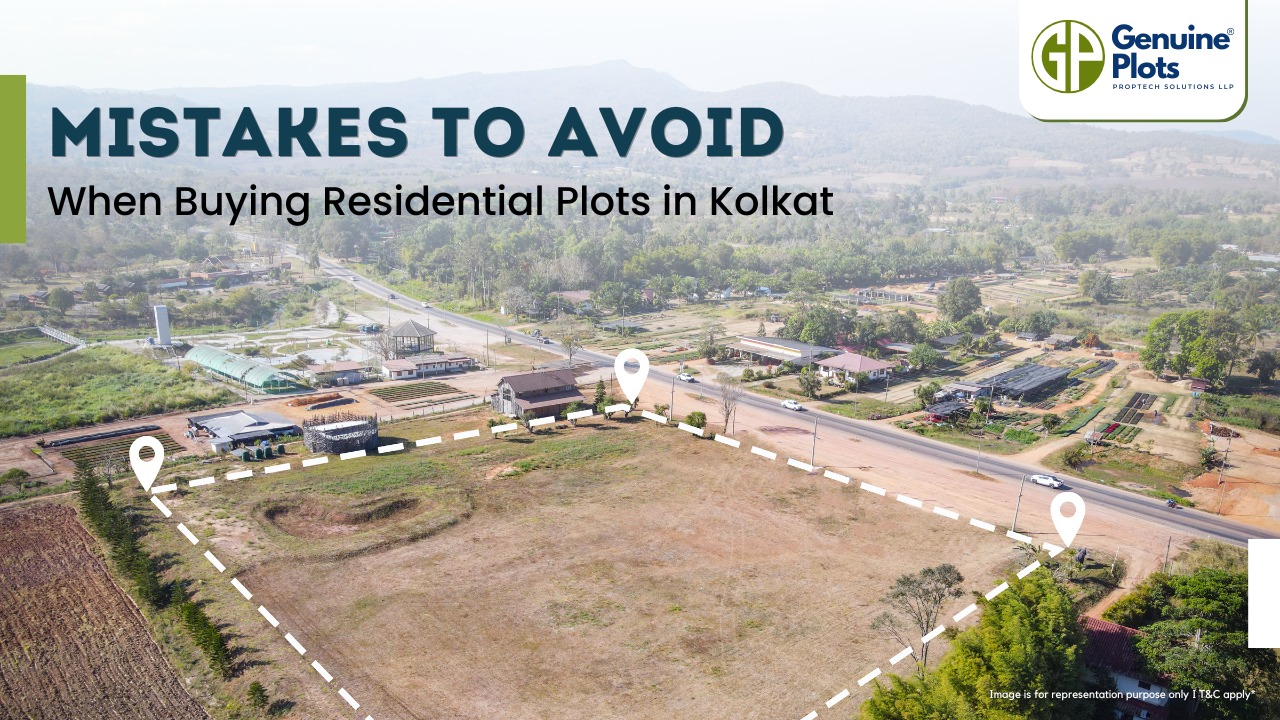
1. Ignoring Title and Ownership Issues
Not verifying that the seller is the legal owner.
Skipping the check of past ownership history and the chain of title.
Overlooking unresolved disputes, liens or mortgages on the land.
2. Overlooking Land-Use & Zoning Compliance
Buying a plot without confirming it’s approved for residential purpose.
Failing to check whether a conversion (if from agricultural land) is required or completed.
Ignoring restrictions on building type, height or usage in the area.
3. Neglecting Physical Inspection
Accepting plot size and boundaries based only on documents, without a site visit.
Missing signs of encroachment, improper access, or a mismatch between the map and reality.
Not checking if the access road is legal, maintained and properly connected.
4. Skipping Infrastructure and Amenities Check
Buying a plot with poor or uncertain road connectivity, utilities (water, electricity), drainage, etc.
Not evaluating the surrounding neighbourhood for schools, hospitals, retail and transport links.
Ignoring future infrastructure plans, which could raise or reduce value.
5. Not Verifying Legal Approvals and Clearances
Failing to get the Encumbrance Certificate to ensure the land is free from liabilities.
Skipping checks on layout approval, local authority sanction, and other regulatory clearances.
Buying from developers or sellers without verifying their credibility or legal standing.
6. Underestimating Future Costs and Resale Potential\
Focusing solely on purchase price, ignoring maintenance, development or infrastructural costs.
Ignoring the resale demand for the area, will buyers want this plot later?
Overlooking how small lot sizes, odd shapes or difficult access can hurt value.
7. Rushing into the Deal without Professional Help
Signing agreements or paying a deposit without a legal review of the documentation.
Failing to engage a lawyer or real-estate expert to decode fine print, title issues or compliance.
Relying purely on verbal assurances or informal documentation.
8. Ignoring Market Trends and Timing
Buying at peak price without checking whether the area is still growing or saturated.
Not comparing similar plot sales in the locale to gauge fair value.
Failing to factor in how upcoming transport or commercial projects may affect the property value.
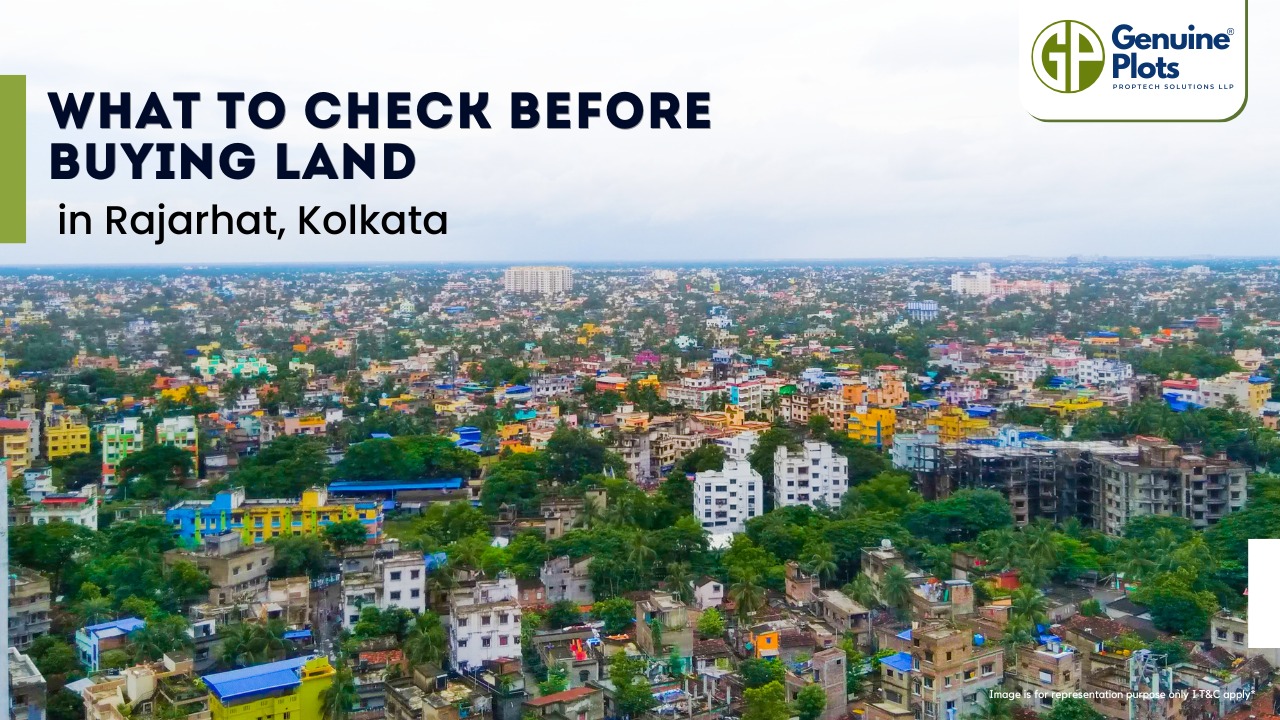
Buying land is a significant decision, and in a rapidly developing area like Rajarhat, it's crucial to conduct thorough checks before making an investment. Here's a quick, concise list of things you should verify prior to finalising any deal.
1. Check the Title Deed
The seller must be the legal owner of the land; the title deed must reflect their name and not be entangled in any disputes. Always check the chain of ownership to ensure there are no hidden claims.
2. Land Use and Zoning
If you are to construct a house, ascertain that your plot is approved for residential use. Agricultural or commercial lands should not be used for housing without approval for conversion.
3. Verify Mutation & Tax Records
Make sure the property has been mutated in the name of the seller; governmental records show them as the owner. Also, confirm that property taxes are paid up to date.
4. Obtain the Encumbrance Certificate (EC)
An Encumbrance Certificate reflects whether the land is free of loans, litigations, or mortgages. It’s proof that the property is not burdened by any financial or legal issues.
5. Check measurements and boundaries
Physically inspect the site to make sure that the plot size and boundaries are according to the documents. See if there are encroachments or any other building construction around the property.
6. Ensure Proper Access and Road Connectivity
Your plot should have a legal access road or "right of way." Landlocked plots, without an entry route, can create major problems in further construction or resale.
7. Check for Government or Acquisition Risks
Ensure that the land is not under government acquisition. Also, make sure it is marked out for public projects, such as roads or utilities. This will spare you from possible disputes or loss in the future.
8. Review Sale Agreement and Registration
Before making the payment, draft a sale agreement that clearly mentions the price, timeline, and terms. After the purchase, register the sale deed at the sub-registrar's office and pay the proper stamp duty.
9. Verify Seller's Identity and Authority
Verify the seller's ownership rights and identity documentation. Verify whether the representative is legally permitted to sign on behalf of the owner if the sale was made through a company or representative.
10. Verify the project approval or layout.
Check to see if the local government has approved the plot if it is a part of a township or housing project. Approved layouts are safer by law and provide better infrastructure.
11. Verification of Conversion and NOC
Verify the conversion certificate and any necessary No Objection Certificates (NOCs) from the appropriate authorities for land that has been converted from agricultural to residential use.
Final Tip
The investment in land at Rajarhat can be very rewarding, but the smart buyer always verifies the documents, approval, and legality before making a payment. If needed, seek professional legal help and ensure your investment is secure for the long term.

If you're planning to invest in real estate, Newtown, Kolkata, should be on top of your list in 2025. With its rapid development, great connectivity, and strong ROI potential, it's becoming one of Eastern India's most promising property destinations.
1. Fast-Growing Smart Township
It boasts of being one of the fastest-developing planned cities in India, supported by HIDCO with wide roads, modern layouts, and steady land appreciation at 10–15% annually.
2. Close to IT and Business Hubs in Kolkata
Owing to the proximity to Sector V, DLF IT Park, and Unitech Infospace, Newtown has emerged as a zone of attraction for professionals and firms, therefore creating consistent housing and rental demand.
3. Strong ROI and Long-Term Appreciation
Compared to an apartment, land in Newtown consistently appreciates in value due to ongoing infrastructural and commercial growth, promising solid returns over time.
4. Excellent Connectivity
Accessibility to EM Bypass, VIP Road, and the proposed Metro line seamlessly connects Newtown to all corners of Kolkata, a prime reason behind the rising property value.
5. Future-Ready Smart City
Being a certified Smart City, Newtown actually brings together solar energy, digital water systems, and sustainable design to make it one of the most forward-thinking, eco-friendly investments.
6. Peaceful and Well-Planned Environment
Clean, green surroundings and organised zoning make Newtown ideal for families and professionals desiring quality living with urban comfort.
7. Growing Demand for Residential Plots
Increasing preference for independent homes, in addition to limited land supply, boosts demand; this is what makes higher resale value and appreciation possible.
8. Access to Premium Amenities
Top schools, hospitals, malls, and entertainment zones ensure convenience and lifestyle comfort that keeps the demand for properties strong.
9. Legal Transparency
The majority of plots are distributed by HIDCO, guaranteeing accurate documentation and clear titles, both of which are essential for secure investments.
10. Flexibility and Long-Term Wealth
You can build, lease, or sell your land based on the market when you own it. It is safe, adaptable, and future-proof.
Recent Posts
Tags
Bhunaksha,
genuine plots,
Land For Sale,
Maharashtra Bhunaksha,
plots for sale,
Gunthewari,
Gunthewari Land,
Gunthewari Rules,
Extract Documents,
Plots and Lands,
Saat Baara,
Extract Saat,
Baara Utara,
Jamabandi,
property tax payments,
Gram Panchayat,
lower prices,
non-agricultural land,
Lower Investment Cost,
Gram Panchayat lands,
Fresh Land Settlements,
Growing demand,
affordable homes,
genuine p,
legal Land,
bungalow plots,
Konkan,
Maharashtra,
Purandar,
Pune,
Karnataka,
Bangalore,
Farm Land,
Kolkata,
Rajarhat,
Indore,
Chhatrapati Sambhajinagar,
Aurangabad,
Mundhwa,
Agricultural Land,
Farmhouse Plot,
Rules And Penalties,
Residential Plots,
NA PLots,
Residential NA Plots,
Commercial NA Plots,
Animal Husbandry Land,
Tathawade,
Vahivat Land Maps,
Vahivat,
Indian Land Records,
Ownership Rights,
Red zone,
PCMC,
Dehu Road,
Land Registration Rules,
Land Investing,
Infrastructure Growth,
Land Ownership,
Land Encroachment,
Panshet Dam,
Varasgaon Dam,
Verified Land,
Plot For Sale,
Land Investment,
Verified Plots,
Land Acquisiton,
Hydrological Survey,
Invest In Land,
Verified Land Plots,
Panshet,
Khadakwasla,
Land Rules,
Dakhil Kharij,
Land Registry,
Property Onwership,
Clean Title Check List,
Property Verification,
Digital Registry,
Farm Plots,
Agro Property,
Land Value Growth,
Urban Expansion,
Senapati Bapat Road,
Registered Land,
Agricultral Plot,
Purandar Airport,
Safe Investment,
Secure Property,
Plot Buyers,
Approved Plots,
Land ROI,
NA Approved Plots,
NA Land,
Welspun One,
Logistic Park,
Talegaon,
PMC Bharat Mandapam,
Urban Development,
Lohgaon,
Close To Nature,
Gated Community Plots,
Buy Land VS Gold Investment,
NRI Investment,
Future Ready Living,
Trusted Plots,
Plot Investment,
Authentic Land,
Safe Land Buying,
Mumbai,
Premium Plots,
MMR Land Investment,
MMR Infrastructure,
Metro Connectivity,
Plots in Mahabaleshwar hill station investment,
Mahabaleshwar land prices and future growth,
Scenic residential plots in Mahabaleshwar,
Mumbai 3.0,
Mumbai 3.0 vs Mumbai 2.0,
Mumbai property investment,
Real estate investment in Mumbai,
Upcoming residential projects in Mumbai,
CIDCO plot auctions,
CIDCO auction Navi Mumbai,
Upcoming CIDCO plot auctions 2026,
CIDCO land auction dates,
Navi Mumbai plot auctions,
CIDCO plots in Navi Mumbai,
CIDCO plots in Kharghar,
CIDCO plots in Ulwe,
NMIA investment opportunities,
Mumbai 3.0 plotted development,
Mumbai 3.0 real estate,
Plots in Mumbai 3.0,
Land investment in Maharashtra,
Residential plots near Mumbai,
Land appreciation in Mumbai 3.0,
Residential land for sale in Mumbai 3.0,
Altamura NA Plots,
Altamura Nadar City,
NA Plots in Nadar City,
Nadar City Plots,
Plots in Nadar City,
YEIDA plots,
YEIDA plots near Noida Airport,
Noida Airport plots,
Jewar Airport investment,
Yamuna Expressway plots,
YEIDA plot scheme 2026,
Noida Airport real estate,
Zepto,
Zepto effect,
D2C brands India,
Urban consumer trends,
Marketplace evolution,
Urban infrastructure growth,
YEIDA Residential Plot Scheme,
Yamuna Expressway Plot Scheme,
YEIDA Residential Plots,
Yamuna Expressway Authority,
Noida Investment,
Residential Plots in Lucknow,
LDA Plots in Lucknow,
Lucknow Real Estate,
LDA Approved Plots,
Plots for Sale in Lucknow,
Lucknow Property Investment,
Land Investment in Lucknow,
Residential Land in Lucknow,
Buy Plot in Lucknow,
Lucknow Development Authority,
Maharashtra Fragmentation Law 2025,
Fragmentation Act Maharashtra,
Maharashtra land law update 2025,
Maharashtra land reforms 2025,
Land subdivision rules Maharashtra,
Maharashtra agriculture land purchase rules,
Agricultural land purchase restrictions Maharashtra,
Can non-farmers buy agricultural land in Maharashtra,
NA conversion process Maharashtra,
Collector permission for land purchase,
farmland prices in Nagpur,
agricultural land price in Nagpur per acre,
farmland cost in Nagpur Maharashtra,
Nagpur agricultural land investment,
per acre agricultural land rate in Nagpur,
Tukdebandi Law Maharashtra,
Maharashtra Fragmentation Act update,
Land subdivision law Maharashtra,
Agricultural land division Maharashtra,
Maharashtra land reform ordinance,
Plot registration Maharashtra,
Farmland prices Nagpur,
Nagpur agricultural land rates,
Farmland per acre Maharashtra,
Agricultural land price Nagpur,
Farm land cost Nagpur,
Nagpur real estate trends,
Land investment Nagpur,
Avani Farms,
Avani Farms Pune,
Farmland near Pune,
Farm plots for sale,
Agricultural land investment,
Gated farmland near Pune,
NRI agricultural land rules India,
Can NRI buy agricultural land in India,
FEMA rules for NRI property purchase,
RBI guidelines for NRI land investment,
NRI farmland investment India,
Agricultural land purchase by NRI,
Maharashtra Fragmentation Act,
Minimum plot size in Maharashtra,
Guntha rules Maharashtra,
Agricultural land division rules,
Minimum land area for sale in Maharashtra,
Legal plot size in guntha,
Guntha conversion rules,
NRI land purchase in India,
Can NRIs buy agricultural land in India,
NRI property investment India,
NRI buying residential land,
NRI real estate guidelines India,
Investment tips for NRIs in India,
Mutation Entry Process,
Land Mutation in India,
Property Mutation Process,
Land Ownership Transfer,
1 guntha na plot prices in pune 2026,
1 guntha plot price in pune,
na plots in pune,
residential na plots pune,
guntha plot rate in pune,
na plot investment in pune,
plots near purandar airport,
1 Acre Land Price in Pune,
Pune Land Rates 2025,
Pune Land Price 2026,
Pune Acre Land Cost,
Land Value Pune,
Agricultural Land Price Pune,
gated community plots in Hinjewadi,
Hinjewadi plots for sale,
residential plots in Hinjewadi Pune,
premium plots in Hinjewadi,
plots near Rajiv Gandhi Infotech Park,
land for sale in Hinjewadi Pune,
Pune property investment,
plots for sale in Pune below 5 lakhs,
Pune rural land investment,
gated plotting projects Pune,
MIDC growth corridor plots,
Residential plots for sale in Hinjewadi,
Plots in Hinjewadi Pune,
Land for sale in Hinjewadi,
Residential NA plots Hinjewadi,
Hinjewadi real estate trends 2026,
Nashik land investment,
Trimbakeshwar land for sale,
Simhastha Kumbh 2026,
Simhastha Kumbh 2027 real estate impact,
Trimbakeshwar property investment,
Land appreciation in Nashik,
plots for sale in pune,
types of plots in pune,
residential plots in pune,
agricultural land in pune,
villa plots in pune,
NRI agricultural land purchase India,
NRI property investment in India,
Agricultural land rules for NRIs,
NRI real estate investment India,
NA plot meaning,
what is NA land,
NA land in Maharashtra,
land investment guide,
NRI agricultural land in Telangana,
Telangana land laws for NRI,
Telangana real estate laws,
NRI investment guide Telangana,
Legal compliance for NRI property,
NRI farmhouse purchase India,
RBI guidelines for NRI property,
NRI land buying rules,
Godham Eco Village,
Godham Eco Village for NRIs,
NRI land investment in India,
Investment plots for NRIs,
Secure land investment India,
NRI property buying guide,
plots in Pune,
NRI buying property in India,
NRI guide to buying land in Pune,
NRI land investment in Pune,
NRI property documents checklist,
Maharashtra land reform 2025,
Maharashtra land laws update,
Agricultural land rules in Maharashtra,
Buying agricultural land in Maharashtra,
Non-agricultural land conversion Maharashtra,
Maharashtra agricultural land rules 2024,
agricultural land purchase in Maharashtra,
non agriculturist land purchase rules,
who can buy agricultural land in Maharashtra,
Maharashtra land laws for non farmers,
Guntha based land rules,
Minimum guntha rule Maharashtra,
Maharashtra land laws,
Maharashtra agricultural land laws,
farmland investment Maharashtra,
buying farmland legally in Maharashtra,
NA conversion rules Maharashtra,
agricultural land eligibility criteria,
Property Mutation in India,
Land Record Update,
Revenue Records,
Property Ownership Transfer,
Mutation of Property,
Farmhouse Plots Near Pune,
NRI Investment in Pune,
Pune Real Estate,
Plots for Sale Near Pune,
Luxury Farmhouse Plots,
Pune plot scams,
Plot buying checklist,
Legal verification for plots,
NA plot verification,
Plot buying tips Pune,
Godrej Properties,
Evora Estate Panipat,
Luxury plots in Panipat,
Premium land investment,
Residential plots in Panipat,
Lodha Developers,
Lodha Developers Q3 acquisition,
Lodha land parcels Q3,
Indian real estate news,
New residential projects India,
Real estate investment news,
Premium housing projects,
Srijan Group,
Kolkata Tech Park,
Commercial Real Estate,
Real Estate Investment,
Real Estate Deal News,
NRI investment in India,
NRI land investment,
Plots for sale in India,
NRI property investment,
Can NRI buy residential plot in India,
NRI land purchase rules,
Residential plots for NRIs,
NRI real estate investment,
NRIs buying property in India,
Can NRIs buy plots in India 2026,
RBI rules for NRI property purchase,
NRI land investment rules,
MMR 3.0,
MMR real estate 2026,
Mumbai real estate market,
Navi Mumbai investment,
Thane property market,
Mumbai property trends 2026,
Land investment in MMR,
Mumbai smart city project,
Korea Mumbai partnership,
MMRDA infrastructure projects,
Korean investment in India,
MMR GDP growth,
MMR economic roadmap 2030,
Mumbai real estate,
Public private partnership projects Mumbai,
Investment opportunities in MMR,
Mumbai Metropolitan Region,
Mumbai urban development,
MMR 2047 vision,
Mumbai infrastructure projects,
Navi Mumbai development,
Goa property investment,
Invest in Goa 2026,
Goa real estate market 2026,
Best places to invest in Goa,
North Goa property,
Property appreciation in Goa,
Goa plots for sale,
Commercial property in Goa,
Buy property in Goa,
YEIDA plots 2026,
Residential plots in YEIDA,
YEIDA new scheme update,
Plots near Noida International Airport,
Yamuna Expressway Authority plots,
YEIDA housing scheme details,
Lucknow land investment,
Property in Lucknow,
Buy plots in Lucknow,
Nashik plots for sale,
Kumbh Mela 2026 Nashik,
Land investment in Nashik,
Nashik property market 2026,
Plots near Kumbh Mela Nashik,
Residential plots in Nashik,
Upcoming projects in Nashik,
Property appreciation in Nashik,
Maharashtra land investment,
Nashik Kumbh Mela 2026,
Kumbh Mela investment opportunities,
Infrastructure development in Nashik,
Plots near Nashik Kumbh Mela,
High ROI land investment,
MIHAN,
MIHAN Nagpur,
Nagpur Real Estate,
Agricultural Land Nagpur,
Nagpur Property,
Plots Near In MIHAN,
Pune residential plots,
best areas to buy plots in Pune,
Pune land investment,
investment plots in Pune,
buy land in Pune,
real estate investment in Pune,
Godrej Plots Doddaballapur,
Doddaballapur plots for sale,
Plots in North Bangalore,
Godrej Properties plots,
Residential plots in Doddaballapur,
Investment plots near Bangalore,
Gated community plots Bangalore,
Premium plots in Doddaballapur,
plots in Mahabaleshwar,
Mahabaleshwar villa plots,
farmhouse plots in Mahabaleshwar,
land for sale in Mahabaleshwar,
bungalow plots in Mahabaleshwar,
hill station property investment,
agricultural land in Mahabaleshwar,
premium land in Mahabaleshwar,
Plots in Pune under 3 lakhs for sale,
Budget residential plots near Pune,
Low cost plots near Pune highway connectivity,
plots in Pune under 3 lakhs,
farmland plots near Pune city,
Investment plots near Pune under budget,
Residential land near Pune,
Godrej plots in Pune,
Premium plotted development by Godrej in Pune,
Residential land for sale by Godrej,
Premium plot by Godrej,
Plots for sale in Hadapsar Pune,
Residential plots in Hadapsar,
Investment plots in Hadapsar,
Gated community plots in Hadapsar,
Ready to build plots in Hadapsar,
1 Guntha plot in Pune,
1 Guntha plot in Pune for sale,
1 Guntha plots near Pune city,
Residential 1 Guntha land in Pune,
Clear title 1 Guntha plot in Pune,
1 guntha plot price in village,
village plot rate per guntha,
affordable 1 guntha land in rural area,
residential plot in village Pune,
farmland plot price per guntha,
Residential 1 Guntha plot near Pune city,
Investment plots in Pune 1 Guntha,
Clear title 1 Guntha land in Pune,
Agricultural 1 Guntha plot near Pune,
1 Guntha plot in Pune Katraj for sale,
Residential plot in Katraj Pune 1 Guntha,
Katraj Pune land for home construction,
1 Guntha NA plot in Katraj Pune,
Pune Katraj plot near highway connectivity,
Gated plot project in Katraj Pune,
NA plots in Pune under 10 lakhs,
Affordable NA plots near Pune city,
NA residential plots in Pune,
NA approved plots in Pune under 10 lakhs,
Investment plots in Pune under 10 lakhs,
Residential NA plots near Pune highway,
Best plots in Pune below 10 lakhs,
Premium villa plots in Pune,
Residential villa plots in Pune near city outskirts,
Luxury villa plots in Pune,
Gated villa plot project in Pune,
Villa plot site visit in Pune,
NA plots in Pimpri Chinchwad for sale,
Residential NA plots in PCMC area,
NA approved plots in Pimpri Chinchwad,
NA land with clear title in PCMC,
NA plots near Pune Mumbai Highway PCMC,
Godrej Villa Plots Doddaballapur,
Godrej plotted development Bangalore,
villa plots in North Bangalore,
premium villa plots Bangalore,
Godrej Properties plots Bangalore,
Brigade Plots Malur,
Brigade Malur plots,
plots in Malur East Bangalore,
investment plots in East Bangalore,
residential plots in Malur Bangalore,
Brigade Group plots Bangalore,
land investment in East Bangalore,
gated community plots in Malur,
prestige plots devanahalli,
prestige plots in devanahalli bangalore,
plots for sale in devanahalli,
prestige plots investment,
premium plots in devanahalli,
residential plots near kempegowda airport,
What is NA plot in real estate,
NA land meaning in property,
NA approved plotsDifference between NA and agricultural land,
Buying NA plots in Maharashtra,
NA plot vs agricultural land,
Plot prices in Mysore,
Mysore infrastructure projects,
Mysore property investment,
Land investment in Mysore,
Plot investment opportunities,
land buying guide in goa,
buy land in goa,
plots for sale in goa,
legal process to buy land in goa,
property in goa,
residential plots in goa,
Nashik Simhastha Kumbh Mela 2026,
Sadhugram expansion Nashik,
Maharashtra Kumbh Mela planning,
Nashik Kumbh Mela preparations,
tourism development in Nashik,
plots in Nagpur,
Nagpur plot investment,
land for sale in Nagpur,
residential plots in Nagpur,
golden rules before buying plots in Nagpur,
Nagpur land investment,
plot investment in Nagpur,
land investment in Nagpur,
plots for sale in Nagpur,
best areas to buy plots in Nagpur,
buying plots in Nagpur,
plot purchase checklist,
legal checklist for buying land,
documents required for plot purchase,
NA plots in Nagpur,
Tattvana,
Tattvana in Kamshet,
Moregaon Farmland Estates,
farmland investment Pune,
agricultural land investment,,
farmland for sale near Pune,
farm plots in Pune,
gated farmland projects,
agricultural plots Maharashtra,
open plot vs NA plot,
difference between open plot and NA plot,
what is NA plot in India,
open plot meaning in real estate,
NA land vs agricultural land,
residential NA plots benefits,
land investment in India,
buying NA plot vs open land,
capital gains on agricultural land,
rural vs urban agricultural land tax,
agricultural land tax rules India,
capital gains tax India property,
is agricultural land taxable,
rural agricultural land exemption,
urban agricultural land tax India,
Runwal Enterprises Alibaug township,
Alibaug real estate,
coastal real estate India,
township projects in Alibaug,
luxury properties in Alibaug,
Mumbai weekend homes investment,
Alibaug property investment,
isprava south goa,
ultra luxury villas in goa,
south goa real estate,
luxury homes in goa,
isprava projects goa,
premium villas in south goa,
land investment advisory services,
secure land investment,
real estate advisory services,
verified land deals,
investment plots near Pune,
land buying guide India,,
#KanpurRealEstate,
#KDAPlots,
#KanpurProperty,
#RealEstateKanpur,
#PropertyTrends,
Gokul Plots investment,,
real estate investment Gokul,,
plots with high appreciation potential,
smart land investment strategies,
plots for sale in North Bangalore,
land investment Bangalore,,
emerging areas in North Bangalore,
residential plots Bangalore,,
Bangalore real estate investment,,
North Bangalore property trends,,
plots near airport Bangalore,,
HUDA plots in Gurgaon,
HUDA plots in Faridabad,
residential plots Haryana,
HUDA approved plots,
plots for sale in Gurgaon,
plots in Faridabad investment,
Prestige Marigold plots,,
Bangalore plotted developments,
land investment Bangalore,
best plots in North Bangalore,
#PlotsForSaleInNellore,
#NelloreRealEstate,
#NellorePlots,
#RealEstate2026,
#PropertyInvestment,
#NelloreProperty,
#AndhraPradeshRealEstate,
GMADA E Auction 2026,
GMADA plots Mohali,
plots in Mohali for sale,
GMADA Mohali auction process,
buy plots in Mohali,
Punjab property investment,
GMADA scheme 2026,
Mohali real estate,
HSVP plots 2026,
HSVP plot investment,
HSVP plots Haryana,
land investment benefits,
residential plots investment,
government approved plots,
buy plot in New Chandigarh,
flats in New Chandigarh,
New Chandigarh real estate,
property investment in New Chandigarh,
residential plots in New Chandigarh,
apartments in New Chandigarh,
#WaveCityGhaziabad,
#GhaziabadPlots,
#PlotsInGhaziabad,
#NCRRealEstate,
#RealEstateInvestment,
#ResidentialPlots,
APIIC vacant plots,
APIIC plots for sale,
industrial plots in Andhra Pradesh,
commercial land for MSMEs,
startup investment plots,
APIIC industrial land,
HUDA plots,
HUDA plots investment,
property appreciation,
plot investment benefits,
high return property investment,
land appreciation,
#GDAPlotsInGhaziabad,
#PlotsForSaleInGhaziabad,
#ResidentialPlotsGhaziabad,
#InvestmentPlots,
#RealEstateGhaziabad,
#GDAApprovedPlots,
#BaliProperty,
#PropertyInBali,
#IndiansInBali,
#BaliRealEstate,
#InternationalPropertyInvestment,
buy plots in Sarjapur Road Bangalore,
plots in Sarjapur Road,
residential plots in Sarjapur Road,
land for sale in Sarjapur Road Bangalore,
investment plots in Bangalore,
plots near IT corridor Bangalore,
how Indians can buy property in Bali,
buy property in Bali for Indians,
Bali property investment,
property in Bali for Indian buyers,
Bali real estate guide,
foreign property investment Bali,
legal checks before buying property in Bali,
Indians invest in Bali property,
due diligence for Bali property,
Bali real estate for Indians,
Bali property legal verification,
verified farmland plots,
100% verified farmland plots,
farmland investment India,
legal farmland plots,
farmland plots for sale,
Konkan land investment,,
high-growth corridors Maharashtra,
land investment 2026,
plots for sale in Maharashtra,