Prev Post
What is Bhunaksha in Maharashtra
Are you dreaming of owning your own agricultural land? Finding the perfect piece of land for your farming endeavors can be a rewarding and challenging task. Explore the essential points you need to consider when searching for agricultural land for sale.
Learn About the Land's Previous Use
One of the first crucial steps in finding the perfect agricultural land is to learn about its previous use. The land's history can significantly impact its current state and potential for agricultural activities.
If the land has been left unused for decades, it may lack essential nutrients for healthy crop growth. Moreover, if the property was previously used for industrial purposes, it could contain toxic substances in the soil and water, posing potential hazards for your farming endeavours.
To evaluate the land's previous use, consult local authorities and historical records. This information will provide valuable insights into the land's past and help you determine its suitability for your farming needs.
Test the Soil's Acidity and Nutrients
Understanding the soil quality is crucial to finding the perfect agricultural land. Testing the soil's acidity and nutrient levels is essential to ensure that it can support the crops you intend to grow.
Different crops have specific pH and nutrient requirements, and a soil test will indicate whether the land can meet these needs.You can conduct a soil test through local agricultural extensions or hire a professional soil testing service. The results will help you determine if the soil needs any amendments to improve its fertility and productivity.
Observe Farmland Soil Drainage
The drainage of farmland soil plays a significant role in crop health and productivity. Most crops prefer soil that quickly drains after rain, preventing waterlogged conditions that can lead to root rot and other plant diseases. Well-drained soil ensures optimal oxygen levels for plant roots, promoting healthy growth and nutrient uptake.
During your land inspection, observe how water drains from the property after rainfall. Puddles and waterlogged areas may indicate poor drainage, which could negatively affect your farming efforts.
Analyze the Topology of the Agricultural Land
Understanding the topology of agricultural land is crucial for effective farm planning. Topography refers to the land's physical features, including elevation, slope, and contour. Most farmers avoid steep hillside terrain because heavy rainfall can wash away essential nutrients, leaving the soil less fertile.
Agricultural Land Should Meet Your Needs
To find the perfect agricultural land, it should align with your specific farming requirements. Consider the following factors:
- Infrastructure: Ensure the land has adequate infrastructure to support your farming activities. Access to roads, electricity, and irrigation facilities is essential for smooth farming operations.
- Size and Layout. Consider the available space for cultivation, storage, and any future expansion plans.
- Soil Type: Different crops thrive in various soil types. Determine if the land's soil type suits the crops you wish to cultivate.
- Climate and Weather: Assess the local climate and weather patterns to understand how they might affect your crops. Choose a location with a climate suitable for your desired crops.
- Water Availability: Access to a reliable water source is vital for successful agriculture. Verify the availability of water for irrigation purposes.
- Proximity to Markets: Consider the proximity of the land to potential markets for your produce. Shorter distances can reduce transportation costs and ensure fresher products for consumers.
FAQs
Q: How can the land's previous use impact my farming plans?
A: The land's previous use can significantly impact its soil quality and potential for agricultural activities.
Q: Why is soil testing essential when looking for agricultural land?
A: Soil testing helps determine the soil's pH and nutrient levels, critical for successful crop cultivation. Different crops require specific pH and nutrient conditions for optimal growth. Soil testing ensures that the land's soil can support the crops you intend to grow.
Q: How does soil drainage affect crop health?
A: Proper soil drainage is crucial for crop health as it prevents waterlogged conditions that can lead to root rot and diseases. Well-drained soil allows optimal oxygen levels in the root zone, promoting healthy plant growth and nutrient absorption.
Q: What should I consider when analyzing the topology of the land?
A: When analyzing the topology of the land, look for gentle slopes and level areas. Steep hillside terrain can lead to nutrient erosion, making the soil less fertile. Flat or slightly sloping land is ideal for most farming activities and efficient irrigation practices.
Q: Why is it important for agricultural land to meet my specific needs?
A: Agricultural land should align with your specific farming requirements to ensure the success of your farming endeavors. Consider factors like infrastructure, soil type, climate, water availability, and market proximity when selecting the perfect agricultural land.
Q: How can I ensure the land has adequate infrastructure?
A: To ensure the land has adequate infrastructure, conduct a thorough inspection and take Genuine Plot's expert guidance to verify access to roads, electricity, and irrigation facilities.

1. What is the current price range for plots in Mahabaleshwar?
As of 2026, plots in Mahabaleshwar typically range from ₹4,479 per sqft to ₹9,946 per sqft on average. Prices vary by location, plot size, and views. Premium areas like Panchgani–Mahabaleshwar Road and SH-58 command significantly higher rates due to tourism, accessibility, and valley views.
2. Are affordable plots available in Mahabaleshwar?
Yes, buyers looking for affordable plots in Mahabaleshwar can find options under ₹40 Lakhs in areas like Tapola Road, Dhardev, and Wai. For example, 6,533 sqft plots for ₹21 Lakhs and 3,000 sqft plots for ₹25 Lakhs are common in this segment.
3. What are the typical prices for mid-range or luxury plots in Mahabaleshwar?
Mid-range to luxury plots for sale in Mahabaleshwar usually fall between ₹50 Lakhs and ₹2 Crore. Localities like Kuroshi, Metgutad, and Tapola-Nivali offer larger plots suitable for bungalows, farmhouses, or eco-stay investments.
4. Are high-end or large parcels of land available in Mahabaleshwar?
Yes. Investors seeking premium Mahabaleshwar plots for sale can explore large parcels above ₹2 Crore, including 2.5-acre plots priced between ₹3.7 Cr to ₹14 Cr. These are commonly located near prime stretches such as Panchgani–Mahabaleshwar Road.
5. Which localities are best for buying a plot in Mahabaleshwar?
Popular locations for plots in Mahabaleshwar include Tapola Road, SH-58, Panchgani–Mahabaleshwar Road, Wai, and Satara Medha Road. These areas are known for good accessibility, scenic views, and rising investment potential.
6. What is driving the price appreciation of plots in Mahabaleshwar?
Price appreciation for plots for sale in Mahabaleshwar is driven by:
- The New Mahabaleshwar Project covering 235 villages
- Rising tourism and demand for vacation homes
- Infrastructure upgrades like new roads, electricity, and water supply
- Demand for eco-stays, farmhouses, and hospitality ventures
Nearby areas like Wai (up 14.24%) and Godoli (up 27.8%) also show an upward trend.
7. How will the New Mahabaleshwar Development Project impact land value?
The New Mahabaleshwar project—spanning Satara, Jaoli, Patan, and Mahabaleshwar—is expected to significantly boost the value of plots in Mahabaleshwar. With government-backed improvements in connectivity, infrastructure, and tourism facilities, long-term appreciation potential is very strong.
8. Are Mahabaleshwar plots suitable for second homes or investment?
Absolutely. Many buyers prefer plots in Mahabaleshwar for holiday homes, farmhouses, boutique resorts, and eco-stay projects. The blend of natural beauty, tourist footfall, and improving infrastructure makes it an ideal long-term investment.
9. What documentation should I check before buying a plot in Mahabaleshwar?
Before buying plots for sale in Mahabaleshwar, ensure:
- Clear Title
- 7/12 extract
- Verification of NA (Non-Agricultural) status if you plan to build
- Access to water, electricity, and road connectivity
Plots with valley views and main-road access usually have a higher value.
10. Are agricultural and NA plots both available in Mahabaleshwar?
Yes, both agricultural and NA plot options in Mahabaleshwar exist. Agricultural land is usually cheaper, but if you plan to construct, ensure the plot has NA status or can legally be converted.
11Is now a good time to buy a plot in Mahabaleshwar?
With rising tourism demand, the New Mahabaleshwar project, and steady price appreciation, Mahabaleshwar plots for sale offer strong investment potential in 2026. Early buyers stand to benefit the most as development accelerates.
You’re Sitting on Land… But Not on Income? Here’s What You’re Missing Out On

Many landowners don’t realise that the land they already own can become a steady, long-term source of income. Whether it’s agricultural, commercial, vacant, or even remote land, there are proven ways to monetise it—often without selling the property.
If you own land and aren’t generating income from it, you might be leaving money on the table every single month.
Below is a detailed look at the top income-generating land types and practical ways to turn any land into a revenue stream.
1. Agricultural & Arable Land – Your Land Can Feed Others AND Your Wallet
Agricultural land is one of the most dependable income assets. Even if you don’t farm yourself, farmers will lease agricultural land at stable rates.
How it earns:
- Leasing to crop growers
- Renting for orchards (mango, pomegranate, cashews, etc.)
- Greenhouse and polyhouse cultivation
- Dairy, poultry, or goat farming
Growing high-value crops like turmeric, flowers, or organic vegetables
Bonus: Demand for chemical-free organic produce is increasing, giving owners better pricing.
2. Commercial Land – The Highest Income Potential
Commercial land near highways, industrial zones, or busy areas can generate significant monthly income.
Ways to earn:
- Leasing for shops, godowns, offices, and restaurants
- Setting up temporary warehouses for logistics companies
- Renting to car showrooms or heavy equipment companies
- Developing storage units or prefab warehouse sheds
Commercial land earns the highest rental yield compared to other categories.
3. Vacant / Raw Land – More Valuable Than You Think
Vacant land is often ignored, but it has the widest range of income options.
Practical uses that need almost no construction:
- Billboard advertising
- Parking lots for trucks, cars, or tourist buses
- RV or caravan storage
- Leasing to food trucks or weekend markets
- Setting up container storage
- Renting the space for weddings, events, or fairs
- Leasing to telecom companies for cell towers
If your land is near a highway, city edge, or tourist route, demand is even higher.
4. Timberland – Growing Trees That Pay You Back
If your land supports forestry, timber is a long-term but high-return option.
Income streams:
- Selling harvested wood
- Leasing to timber companies
- Participating in carbon credit programs (increasing demand globally)
Trees grow without daily supervision—making it ideal for passive income.
5. Renewable Energy Sites – The Fastest-Growing Land Opportunity
Renewable energy companies are constantly searching for open land.
How you earn:
- Leasing land for solar farms
- Leasing land for wind turbines
- Long-term, stable fixed lease income
Once installed, these projects require minimal involvement from the landowner.
6. Recreational Land – Turning Nature Into Income
If your land has natural beauty, water access, or forests, it can become a destination.
- Ways to earn:
- Camping sites
- Fishing ponds
- Hunting leases
- ATV/dirt bike trails
- Weekend farmstays or tiny homes
This is especially profitable if your land is near a city or tourist zone.
How Landowners Actually Make Money
Here are the three main models used worldwide:
1. Leasing
You lease the land to a third party for:
- farming
- parking
- warehouses
- towers
- events
- renewable energy
Zero operational work for you.
2. Direct Operations
You run the business yourself:
- farming
- nursery
- weekend camping
- agri-tourism
- farmstay cottages
Higher returns but requires involvement.
3. Resource-Based Income
The land itself produces the value:
- timber
- sand
- gravel
- crops
The Secret: The “Highest and Best Use” Strategy
Every piece of land has a best possible use depending on:
- location
- zoning
- soil
- access roads
- demand in the local area
- nearby development
Identifying this highest and best use can multiply income 5–10x.
If You Already Have Land, Don’t Delay—It Could Be Earning for You Right Now
Most people hold land for years without generating a single rupee, only waiting for appreciation.
But land can:
- earn monthly rent
- generate yearly profits
- grow long-term value
You don’t need to sell—your land can pay you steadily while its value increases.

Carbon credits are becoming an important way to fight climate change. One carbon credit equals 1 ton of carbon dioxide reduced or removed from the air.
Businesses, farmers, communities, and even countries use carbon credits to support cleaner, greener practices.
1. Encourages companies to reduce pollution
Companies try to reduce their emissions so they can earn carbon credits.
This pushes them to use cleaner machines, better technology, and eco-friendly methods.
2. Supports renewable energy projects
Solar plants, wind farms, hydropower units, and biomass projects earn carbon credits for producing clean energy.
This helps them get more funding and grow faster.
3. Creates new income opportunities
Farmers, forest communities, and renewable energy developers can sell carbon credits and earn extra income.
This makes sustainable activities financially rewarding.
4. Creates green jobs
Carbon credit projects need people for planting trees, maintaining forests, installing solar plants, auditing emissions, and more.
This creates new job opportunities in rural and urban areas.
5. Helps companies meet net-zero goals
Companies with unavoidable emissions can buy carbon credits to balance their carbon footprint.
This helps them move toward their “net-zero” or “carbon-neutral” goals faster.
6. Encourages global climate cooperation
A project in one country can sell carbon credits to another.
This helps countries work together to reduce global emissions.
7. Enhances air quality and public health
When a firm cuts back on the amount of emissions and other pollutants, the effect of that
This reduces the chances of asthma, respiratory issues, and heart disease.
8. Encourages tree-planting activities & forest conservation
9. Reforestation/conservation programs result in carbon credits.
This is beneficial to wildlife, promotes greenery, and maintains balance.
10. Brings investment to rural areas
Many carbon credit projects are in villages and forest regions.
These areas get new income, better facilities, and more economic activity.
11. Encourages innovation in clean technology
Because carbon credits reward low-carbon ideas, companies invest in:
- Electric vehicles
- Energy-efficient machines
- Clean cooking solutions
- Waste-to-energy plants
This speeds up environmental progress worldwide.
FAQs:
1. What is a carbon credit?
A carbon credit represents 1 ton of carbon dioxide reduced or removed from the air.
It can be created by tree planting, renewable energy projects, and other green activities.
2. Who buys carbon credits?
Businesses, countries, and even some organisations buy carbon credits.
3. How do carbon credits help farmers?
Farmers who:
- adopt organic farming,
- plant trees,
- improve soil health,
- or reduce burning practices
- can earn carbon credits.
They can sell these credits and earn extra income.
4. Are carbon credits only for big companies?
No. Small businesses, farmers, community groups, and individuals running climate-friendly projects can also participate.
5. Are carbon credits the final solution to climate change?
Not alone — but they are a strong supporting tool.
Carbon credits help reduce emissions, fund clean projects, and speed up climate action while countries work on long-term solutions.
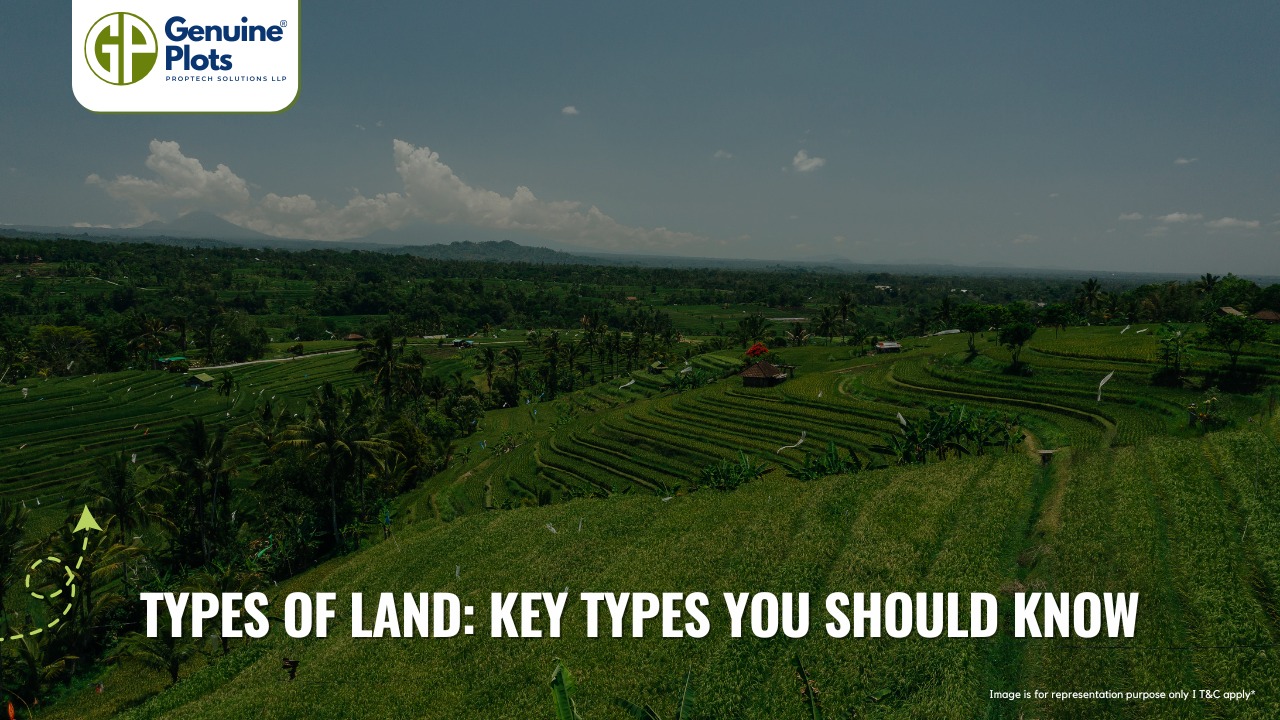
Land is one of the most critical natural resource components, and it is the basis for all other uses, such as agriculture, infrastructure, housing, ecology, and economic development. To comprehend its value and potential, it is divided in various ways according to its uses, physical characteristics, vegetative types, ownership, and scientific standards.
1. Land Classification by Use (Land Use Categories)
a) Agriculture Land
It comprises agricultural land that is used for growing crops and also for the purpose of feeding and raising livestock. This agricultural land comprises:
Cropland: This refers to the agricultural land that is actually cultivated and harvested
Fallow land: Land not used for growing but which can be used for growing at a later time
Pastures: These refer to grazing land for livestock.
Plantations and Orchards: An area of land employed for planting fruits, growing commercial plants, or rearing plants for agriculture.
b) Forest land
Forested land includes natural forestland and plantation forestland, as well as densely forested areas
c) Land Under Non-Agricultural Use
It includes non-GPW land areas that are designated for regions
- Housing and Residential Colonies
- Residential colonies
- Offices, malls, and business centers
- Roads, railways, and transportation infrastructure
- Roads
Manufacturing facilities, storage areas, and industry sectors
It involves the territory with signs of modernization, urban development, and industries.
d) Barren and Uncultivable Lands
Such regions include areas that are not cultivable due to lack of fertile soil, rocky surfaces, harsh climates, or slopes. Examples include a desert region, a rocky hill region, or a wasteland area.
e) Culturable waste land
This land can be cultivated but is not being utilized for agriculture purposes due to certain social, economic, or technological reasons. With proper planning and investment, cultivable wasteland can be developed into productive land.
f) Water Bodies & Wetlands
Examples of wetlands include ponds, lakes, rivers, marshes, and swamps. Such areas play an important role in sustaining the groundwater level and the flood cycles.
2. Land Classification by Physical Features
a) Plains
Level and low-lying areas, sometimes so fertile that they provide the best land for agricultural and residential purposes as well as land for transporting goods.
b) Plateaus
High flatlands with very steep slopes. Plateaus are known for having mineral deposits, grasslands, and special weather conditions.
Industrial and mining regions are mostly found on plateaus.
c) Mountains and Hills
Highlands characterized by rugged terrain. These areas are densely populated by forests, water resources, and wildlife. Although agriculture is low, mountains play a significant role regarding tourisim development, hydro electric energy generation, and water resources.
d) Coastal Areas
Regions around or along coastal areas like beaches, or estuaries. These coastal areas include fishing grounds, ports, holiday resorts, salt ponds, and specialized ecosystems
e) Desert and Arid Land
Areas receiving less rainfall, fewer plants, and soil consisting of sand or rocks. Deserts have fewer irrigation prospects, but they have rich solar energy and mineral deposits.
3. Administrative or Legal Classification
a) Residential land
The land designated for habitation.
b) Commercial Land
Used in shops, offices, and business premises.
c) Industrial Land
Exclusively reserved for factories, workshops, and manufacturing activities.
d) Conservation and Protected Land
Covers the national parks, wildlife sanctuaries, and ecologically sensitive areas.
These categories stimulate order in land-use planning. Furthermore, they help in the conservation of significant ecosystems.
4. Scientific Land Classification
Using satellite imagery and remote sensing, land is categorized into:
- Built-up land
- Agricultural land
- Forest land
- Wasteland
- Water bodies
- Snow or barren land
This method helps monitor environmental changes, track deforestation, manage disasters, and plan resources.
Conclusion
The different categories of land are very useful and vary in what they are employed for since each serves a different task. Land classification can be done in different ways, depending on whether one considers geographical characteristics, usage, laws governing it, or scientific observations, to maximize its use and ensure sustainability.

Buying land in Maharashtra can be rewarding, but when it comes to green zone land—commonly known as agricultural land—the rules are very specific. These areas are protected to ensure agricultural activity, ecological balance, and sustainable land use. Before investing, it’s important to understand who can buy, what permissions are required, and what hidden costs to expect.
What Is a Green Zone?
In planning terminology, a green zone refers to land reserved for:
- Farming and cultivation
- Horticulture
- Plantation and allied activities
- Nature and environmental conservation
These zones act as buffers against uncontrolled urbanisation and are not meant for heavy commercial or industrial development. Any change of land use requires official permission.
Can Anyone Buy Agricultural (Green Zone) Land in Maharashtra?
1. Only Agriculturists Can Buy Agricultural Land
Maharashtra law states that only an agriculturist can purchase agricultural land.
An agriculturist is someone who is:
- Actively engaged in farming, or
- Belongs to a family that owns or cultivates agricultural land.
- If you’re not an agriculturist, you cannot legally buy this land unless you meet specific exceptions.
2. Non-Agriculturists – Limited Access
Non-agriculturists generally cannot purchase agricultural land. However:
- If the land is already converted to NA (Non-Agricultural), anyone can buy it.
- In rare cases, government permissions may allow non-agriculturists to buy land for special approved purposes (e.g., agro-industry), but this is uncommon.
Essential Legal Checks Before Buying Green Zone Land
Whether you are eligible to buy or not, legal due diligence is mandatory.
Clear Title
The land must have:
- No ownership disputes
- No outstanding loans or mortgages
- Proper and updated land records
- Legal Due Diligence
Consulting an experienced property lawyer. They will verify:
- Ownership history
- Encumbrances
- Revenue records
- Zoning classification
- Mutation entries
A small legal mistake can lead to heavy penalties or even loss of land rights.
Usage & Permissions: What You Need to Build Legally
Buying agricultural land does not give you the automatic right to build on it.
To legally construct a house, farmhouse, resort, or commercial structure, you need:
1. NA Conversion (Non-Agricultural Conversion)
This is the process of converting agricultural land for:
- Residential use
- Commercial use
- Industrial use
Without NA conversion, any construction is illegal.
2. Local Zoning Approval
Local planning authorities must confirm:
- Whether the land can be used for the intended purpose
- Whether the Development Plan permits it
3. Construction Permissions
You must obtain:
- Building permission
- Commencement certificate
- Layout and structural approvals
- Skipping these steps can result in:
- Demolition orders
- Heavy fines
- Legal disputes
- Location & Future Growth Factors
Even if you can legally buy and develop the land, location determines long-term value.
Key factors influencing appreciation:
Road Connectivity
Land accessible from main roads, state highways, or expressways appreciates faster.
Markets & Hospitals in Close Proximity
Basic facilities around the area make the land more usable and desirable.
Tourism Potential
Areas like Karjat, Lonavala, Alibaug, and Mulshi attract hospitality and second-home investments.
Upcoming Infrastructure
Any proposed highway, ring road, metro line, airport, or industrial corridor adds immense value to it in the future.
Hidden Costs Most Buyers Overlook
Many who buy land for the first time assume that land cost is usually the only cost. In reality, agricultural land investment involves some other costs:
1. Legal & Registration Fees
Stamp duty, registration, lawyer fees, and documentation costs.
2. NA Conversion Charges
The conversion charges will depend on the following
- Area of land
- Location
- Zoning category
These can be significant.
3. Fencing & Maintenance
Agricultural land requires:
- Fencing
- Soil care
- Periodic Maintenance
- Security
4. Construction Approvals
Architect fees, Government approvals, Engineering plans, Compliance charges.
5. Unexpected Compliance Costs
Sometimes, environmental permissions or local authority requirements may arise later.
Conclusion
Buying land in Maharashtra’s green zone can be valuable—but only if you fully understand the legal and regulatory framework. Since only agriculturists can buy agricultural land, non-agriculturists must either seek permitted exemptions or look for land already converted to NA.
Whether your goal is farming, investment, or building a home, always:
- Verify the zoning
- Check the title
- Understand long-term restrictions
- Consult a property lawyer
- Factor in hidden expenses
- With proper due diligence, green zone land can be a safe and rewarding investment.
Recent Posts
Tags
Bhunaksha,
genuine plots,
Land For Sale,
Maharashtra Bhunaksha,
plots for sale,
Gunthewari,
Gunthewari Land,
Gunthewari Rules,
Extract Documents,
Plots and Lands,
Saat Baara,
Extract Saat,
Baara Utara,
Jamabandi,
property tax payments,
Gram Panchayat,
lower prices,
non-agricultural land,
Lower Investment Cost,
Gram Panchayat lands,
Fresh Land Settlements,
Growing demand,
affordable homes,
genuine p,
legal Land,
bungalow plots,
Konkan,
Maharashtra,
Purandar,
Pune,
Karnataka,
Bangalore,
Farm Land,
Kolkata,
Rajarhat,
Indore,
Chhatrapati Sambhajinagar,
Aurangabad,
Mundhwa,
Agricultural Land,
Farmhouse Plot,
Rules And Penalties,
Residential Plots,
NA PLots,
Residential NA Plots,
Commercial NA Plots,
Animal Husbandry Land,
Tathawade,
Vahivat Land Maps,
Vahivat,
Indian Land Records,
Ownership Rights,
Red zone,
PCMC,
Dehu Road,
Land Registration Rules,
Land Investing,
Infrastructure Growth,
Land Ownership,
Land Encroachment,
Panshet Dam,
Varasgaon Dam,
Verified Land,
Plot For Sale,
Land Investment,
Verified Plots,
Land Acquisiton,
Hydrological Survey,
Invest In Land,
Verified Land Plots,
Panshet,
Khadakwasla,
Land Rules,
Dakhil Kharij,
Land Registry,
Property Onwership,
Clean Title Check List,
Property Verification,
Digital Registry,
Farm Plots,
Agro Property,
Land Value Growth,
Urban Expansion,
Senapati Bapat Road,
Registered Land,
Agricultral Plot,
Purandar Airport,
Safe Investment,
Secure Property,
Plot Buyers,
Approved Plots,
Land ROI,
NA Approved Plots,
NA Land,
Welspun One,
Logistic Park,
Talegaon,
PMC Bharat Mandapam,
Urban Development,
Lohgaon,
Close To Nature,
Gated Community Plots,
Buy Land VS Gold Investment,
NRI Investment,
Future Ready Living,
Trusted Plots,
Plot Investment,
Authentic Land,
Safe Land Buying,
Mumbai,
Premium Plots,
MMR Land Investment,
MMR Infrastructure,
Metro Connectivity,
Plots in Mahabaleshwar hill station investment,
Mahabaleshwar land prices and future growth,
Scenic residential plots in Mahabaleshwar,
Mumbai 3.0,
Mumbai 3.0 vs Mumbai 2.0,
Mumbai property investment,
Real estate investment in Mumbai,
Upcoming residential projects in Mumbai,
CIDCO plot auctions,
CIDCO auction Navi Mumbai,
Upcoming CIDCO plot auctions 2026,
CIDCO land auction dates,
Navi Mumbai plot auctions,
CIDCO plots in Navi Mumbai,
CIDCO plots in Kharghar,
CIDCO plots in Ulwe,
NMIA investment opportunities,
Mumbai 3.0 plotted development,
Mumbai 3.0 real estate,
Plots in Mumbai 3.0,
Land investment in Maharashtra,
Residential plots near Mumbai,
Land appreciation in Mumbai 3.0,
Residential land for sale in Mumbai 3.0,
Altamura NA Plots,
Altamura Nadar City,
NA Plots in Nadar City,
Nadar City Plots,
Plots in Nadar City,
YEIDA plots,
YEIDA plots near Noida Airport,
Noida Airport plots,
Jewar Airport investment,
Yamuna Expressway plots,
YEIDA plot scheme 2026,
Noida Airport real estate,
Zepto,
Zepto effect,
D2C brands India,
Urban consumer trends,
Marketplace evolution,
Urban infrastructure growth,
YEIDA Residential Plot Scheme,
Yamuna Expressway Plot Scheme,
YEIDA Residential Plots,
Yamuna Expressway Authority,
Noida Investment,
Residential Plots in Lucknow,
LDA Plots in Lucknow,
Lucknow Real Estate,
LDA Approved Plots,
Plots for Sale in Lucknow,
Lucknow Property Investment,
Land Investment in Lucknow,
Residential Land in Lucknow,
Buy Plot in Lucknow,
Lucknow Development Authority,
Maharashtra Fragmentation Law 2025,
Fragmentation Act Maharashtra,
Maharashtra land law update 2025,
Maharashtra land reforms 2025,
Land subdivision rules Maharashtra,
Maharashtra agriculture land purchase rules,
Agricultural land purchase restrictions Maharashtra,
Can non-farmers buy agricultural land in Maharashtra,
NA conversion process Maharashtra,
Collector permission for land purchase,
farmland prices in Nagpur,
agricultural land price in Nagpur per acre,
farmland cost in Nagpur Maharashtra,
Nagpur agricultural land investment,
per acre agricultural land rate in Nagpur,
Tukdebandi Law Maharashtra,
Maharashtra Fragmentation Act update,
Land subdivision law Maharashtra,
Agricultural land division Maharashtra,
Maharashtra land reform ordinance,
Plot registration Maharashtra,
Farmland prices Nagpur,
Nagpur agricultural land rates,
Farmland per acre Maharashtra,
Agricultural land price Nagpur,
Farm land cost Nagpur,
Nagpur real estate trends,
Land investment Nagpur,
Avani Farms,
Avani Farms Pune,
Farmland near Pune,
Farm plots for sale,
Agricultural land investment,
Gated farmland near Pune,
NRI agricultural land rules India,
Can NRI buy agricultural land in India,
FEMA rules for NRI property purchase,
RBI guidelines for NRI land investment,
NRI farmland investment India,
Agricultural land purchase by NRI,
Maharashtra Fragmentation Act,
Minimum plot size in Maharashtra,
Guntha rules Maharashtra,
Agricultural land division rules,
Minimum land area for sale in Maharashtra,
Legal plot size in guntha,
Guntha conversion rules,
NRI land purchase in India,
Can NRIs buy agricultural land in India,
NRI property investment India,
NRI buying residential land,
NRI real estate guidelines India,
Investment tips for NRIs in India,
Mutation Entry Process,
Land Mutation in India,
Property Mutation Process,
Land Ownership Transfer,
1 guntha na plot prices in pune 2026,
1 guntha plot price in pune,
na plots in pune,
residential na plots pune,
guntha plot rate in pune,
na plot investment in pune,
plots near purandar airport,
1 Acre Land Price in Pune,
Pune Land Rates 2025,
Pune Land Price 2026,
Pune Acre Land Cost,
Land Value Pune,
Agricultural Land Price Pune,
gated community plots in Hinjewadi,
Hinjewadi plots for sale,
residential plots in Hinjewadi Pune,
premium plots in Hinjewadi,
plots near Rajiv Gandhi Infotech Park,
land for sale in Hinjewadi Pune,
Pune property investment,
plots for sale in Pune below 5 lakhs,
Pune rural land investment,
gated plotting projects Pune,
MIDC growth corridor plots,
Residential plots for sale in Hinjewadi,
Plots in Hinjewadi Pune,
Land for sale in Hinjewadi,
Residential NA plots Hinjewadi,
Hinjewadi real estate trends 2026,
Nashik land investment,
Trimbakeshwar land for sale,
Simhastha Kumbh 2026,
Simhastha Kumbh 2027 real estate impact,
Trimbakeshwar property investment,
Land appreciation in Nashik,
plots for sale in pune,
types of plots in pune,
residential plots in pune,
agricultural land in pune,
villa plots in pune,
NRI agricultural land purchase India,
NRI property investment in India,
Agricultural land rules for NRIs,
NRI real estate investment India,
NA plot meaning,
what is NA land,
NA land in Maharashtra,
land investment guide,
NRI agricultural land in Telangana,
Telangana land laws for NRI,
Telangana real estate laws,
NRI investment guide Telangana,
Legal compliance for NRI property,
NRI farmhouse purchase India,
RBI guidelines for NRI property,
NRI land buying rules,
Godham Eco Village,
Godham Eco Village for NRIs,
NRI land investment in India,
Investment plots for NRIs,
Secure land investment India,
NRI property buying guide,
plots in Pune,
NRI buying property in India,
NRI guide to buying land in Pune,
NRI land investment in Pune,
NRI property documents checklist,
Maharashtra land reform 2025,
Maharashtra land laws update,
Agricultural land rules in Maharashtra,
Buying agricultural land in Maharashtra,
Non-agricultural land conversion Maharashtra,
Maharashtra agricultural land rules 2024,
agricultural land purchase in Maharashtra,
non agriculturist land purchase rules,
who can buy agricultural land in Maharashtra,
Maharashtra land laws for non farmers,
Guntha based land rules,
Minimum guntha rule Maharashtra,
Maharashtra land laws,
Maharashtra agricultural land laws,
farmland investment Maharashtra,
buying farmland legally in Maharashtra,
NA conversion rules Maharashtra,
agricultural land eligibility criteria,
Property Mutation in India,
Land Record Update,
Revenue Records,
Property Ownership Transfer,
Mutation of Property,
Farmhouse Plots Near Pune,
NRI Investment in Pune,
Pune Real Estate,
Plots for Sale Near Pune,
Luxury Farmhouse Plots,
Pune plot scams,
Plot buying checklist,
Legal verification for plots,
NA plot verification,
Plot buying tips Pune,
Godrej Properties,
Evora Estate Panipat,
Luxury plots in Panipat,
Premium land investment,
Residential plots in Panipat,
Lodha Developers,
Lodha Developers Q3 acquisition,
Lodha land parcels Q3,
Indian real estate news,
New residential projects India,
Real estate investment news,
Premium housing projects,
Srijan Group,
Kolkata Tech Park,
Commercial Real Estate,
Real Estate Investment,
Real Estate Deal News,
NRI investment in India,
NRI land investment,
Plots for sale in India,
NRI property investment,
Can NRI buy residential plot in India,
NRI land purchase rules,
Residential plots for NRIs,
NRI real estate investment,
NRIs buying property in India,
Can NRIs buy plots in India 2026,
RBI rules for NRI property purchase,
NRI land investment rules,
MMR 3.0,
MMR real estate 2026,
Mumbai real estate market,
Navi Mumbai investment,
Thane property market,
Mumbai property trends 2026,
Land investment in MMR,
Mumbai smart city project,
Korea Mumbai partnership,
MMRDA infrastructure projects,
Korean investment in India,
MMR GDP growth,
MMR economic roadmap 2030,
Mumbai real estate,
Public private partnership projects Mumbai,
Investment opportunities in MMR,
Mumbai Metropolitan Region,
Mumbai urban development,
MMR 2047 vision,
Mumbai infrastructure projects,
Navi Mumbai development,
Goa property investment,
Invest in Goa 2026,
Goa real estate market 2026,
Best places to invest in Goa,
North Goa property,
Property appreciation in Goa,
Goa plots for sale,
Commercial property in Goa,
Buy property in Goa,
YEIDA plots 2026,
Residential plots in YEIDA,
YEIDA new scheme update,
Plots near Noida International Airport,
Yamuna Expressway Authority plots,
YEIDA housing scheme details,
Lucknow land investment,
Property in Lucknow,
Buy plots in Lucknow,
Nashik plots for sale,
Kumbh Mela 2026 Nashik,
Land investment in Nashik,
Nashik property market 2026,
Plots near Kumbh Mela Nashik,
Residential plots in Nashik,
Upcoming projects in Nashik,
Property appreciation in Nashik,
Maharashtra land investment,
Nashik Kumbh Mela 2026,
Kumbh Mela investment opportunities,
Infrastructure development in Nashik,
Plots near Nashik Kumbh Mela,
High ROI land investment,
MIHAN,
MIHAN Nagpur,
Nagpur Real Estate,
Agricultural Land Nagpur,
Nagpur Property,
Plots Near In MIHAN,
Pune residential plots,
best areas to buy plots in Pune,
Pune land investment,
investment plots in Pune,
buy land in Pune,
real estate investment in Pune,
Godrej Plots Doddaballapur,
Doddaballapur plots for sale,
Plots in North Bangalore,
Godrej Properties plots,
Residential plots in Doddaballapur,
Investment plots near Bangalore,
Gated community plots Bangalore,
Premium plots in Doddaballapur,
plots in Mahabaleshwar,
Mahabaleshwar villa plots,
farmhouse plots in Mahabaleshwar,
land for sale in Mahabaleshwar,
bungalow plots in Mahabaleshwar,
hill station property investment,
agricultural land in Mahabaleshwar,
premium land in Mahabaleshwar,
Plots in Pune under 3 lakhs for sale,
Budget residential plots near Pune,
Low cost plots near Pune highway connectivity,
plots in Pune under 3 lakhs,
farmland plots near Pune city,
Investment plots near Pune under budget,
Residential land near Pune,
Godrej plots in Pune,
Premium plotted development by Godrej in Pune,
Residential land for sale by Godrej,
Premium plot by Godrej,
Plots for sale in Hadapsar Pune,
Residential plots in Hadapsar,
Investment plots in Hadapsar,
Gated community plots in Hadapsar,
Ready to build plots in Hadapsar,
1 Guntha plot in Pune,
1 Guntha plot in Pune for sale,
1 Guntha plots near Pune city,
Residential 1 Guntha land in Pune,
Clear title 1 Guntha plot in Pune,
1 guntha plot price in village,
village plot rate per guntha,
affordable 1 guntha land in rural area,
residential plot in village Pune,
farmland plot price per guntha,
Residential 1 Guntha plot near Pune city,
Investment plots in Pune 1 Guntha,
Clear title 1 Guntha land in Pune,
Agricultural 1 Guntha plot near Pune,
1 Guntha plot in Pune Katraj for sale,
Residential plot in Katraj Pune 1 Guntha,
Katraj Pune land for home construction,
1 Guntha NA plot in Katraj Pune,
Pune Katraj plot near highway connectivity,
Gated plot project in Katraj Pune,
NA plots in Pune under 10 lakhs,
Affordable NA plots near Pune city,
NA residential plots in Pune,
NA approved plots in Pune under 10 lakhs,
Investment plots in Pune under 10 lakhs,
Residential NA plots near Pune highway,
Best plots in Pune below 10 lakhs,
Premium villa plots in Pune,
Residential villa plots in Pune near city outskirts,
Luxury villa plots in Pune,
Gated villa plot project in Pune,
Villa plot site visit in Pune,
NA plots in Pimpri Chinchwad for sale,
Residential NA plots in PCMC area,
NA approved plots in Pimpri Chinchwad,
NA land with clear title in PCMC,
NA plots near Pune Mumbai Highway PCMC,
Godrej Villa Plots Doddaballapur,
Godrej plotted development Bangalore,
villa plots in North Bangalore,
premium villa plots Bangalore,
Godrej Properties plots Bangalore,
Brigade Plots Malur,
Brigade Malur plots,
plots in Malur East Bangalore,
investment plots in East Bangalore,
residential plots in Malur Bangalore,
Brigade Group plots Bangalore,
land investment in East Bangalore,
gated community plots in Malur,
prestige plots devanahalli,
prestige plots in devanahalli bangalore,
plots for sale in devanahalli,
prestige plots investment,
premium plots in devanahalli,
residential plots near kempegowda airport,
What is NA plot in real estate,
NA land meaning in property,
NA approved plotsDifference between NA and agricultural land,
Buying NA plots in Maharashtra,
NA plot vs agricultural land,
Plot prices in Mysore,
Mysore infrastructure projects,
Mysore property investment,
Land investment in Mysore,
Plot investment opportunities,
land buying guide in goa,
buy land in goa,
plots for sale in goa,
legal process to buy land in goa,
property in goa,
residential plots in goa,
Nashik Simhastha Kumbh Mela 2026,
Sadhugram expansion Nashik,
Maharashtra Kumbh Mela planning,
Nashik Kumbh Mela preparations,
tourism development in Nashik,
plots in Nagpur,
Nagpur plot investment,
land for sale in Nagpur,
residential plots in Nagpur,
golden rules before buying plots in Nagpur,
Nagpur land investment,
plot investment in Nagpur,
land investment in Nagpur,
plots for sale in Nagpur,
best areas to buy plots in Nagpur,
buying plots in Nagpur,
plot purchase checklist,
legal checklist for buying land,
documents required for plot purchase,
NA plots in Nagpur,
Tattvana,
Tattvana in Kamshet,
Moregaon Farmland Estates,
farmland investment Pune,
agricultural land investment,,
farmland for sale near Pune,
farm plots in Pune,
gated farmland projects,
agricultural plots Maharashtra,
open plot vs NA plot,
difference between open plot and NA plot,
what is NA plot in India,
open plot meaning in real estate,
NA land vs agricultural land,
residential NA plots benefits,
land investment in India,
buying NA plot vs open land,
capital gains on agricultural land,
rural vs urban agricultural land tax,
agricultural land tax rules India,
capital gains tax India property,
is agricultural land taxable,
rural agricultural land exemption,
urban agricultural land tax India,
Runwal Enterprises Alibaug township,
Alibaug real estate,
coastal real estate India,
township projects in Alibaug,
luxury properties in Alibaug,
Mumbai weekend homes investment,
Alibaug property investment,
isprava south goa,
ultra luxury villas in goa,
south goa real estate,
luxury homes in goa,
isprava projects goa,
premium villas in south goa,
land investment advisory services,
secure land investment,
real estate advisory services,
verified land deals,
investment plots near Pune,
land buying guide India,,
#KanpurRealEstate,
#KDAPlots,
#KanpurProperty,
#RealEstateKanpur,
#PropertyTrends,
Gokul Plots investment,,
real estate investment Gokul,,
plots with high appreciation potential,
smart land investment strategies,
plots for sale in North Bangalore,
land investment Bangalore,,
emerging areas in North Bangalore,
residential plots Bangalore,,
Bangalore real estate investment,,
North Bangalore property trends,,
plots near airport Bangalore,,
HUDA plots in Gurgaon,
HUDA plots in Faridabad,
residential plots Haryana,
HUDA approved plots,
plots for sale in Gurgaon,
plots in Faridabad investment,
Prestige Marigold plots,,
Bangalore plotted developments,
land investment Bangalore,
best plots in North Bangalore,
#PlotsForSaleInNellore,
#NelloreRealEstate,
#NellorePlots,
#RealEstate2026,
#PropertyInvestment,
#NelloreProperty,
#AndhraPradeshRealEstate,
GMADA E Auction 2026,
GMADA plots Mohali,
plots in Mohali for sale,
GMADA Mohali auction process,
buy plots in Mohali,
Punjab property investment,
GMADA scheme 2026,
Mohali real estate,
HSVP plots 2026,
HSVP plot investment,
HSVP plots Haryana,
land investment benefits,
residential plots investment,
government approved plots,
buy plot in New Chandigarh,
flats in New Chandigarh,
New Chandigarh real estate,
property investment in New Chandigarh,
residential plots in New Chandigarh,
apartments in New Chandigarh,
#WaveCityGhaziabad,
#GhaziabadPlots,
#PlotsInGhaziabad,
#NCRRealEstate,
#RealEstateInvestment,
#ResidentialPlots,
APIIC vacant plots,
APIIC plots for sale,
industrial plots in Andhra Pradesh,
commercial land for MSMEs,
startup investment plots,
APIIC industrial land,
HUDA plots,
HUDA plots investment,
property appreciation,
plot investment benefits,
high return property investment,
land appreciation,
#GDAPlotsInGhaziabad,
#PlotsForSaleInGhaziabad,
#ResidentialPlotsGhaziabad,
#InvestmentPlots,
#RealEstateGhaziabad,
#GDAApprovedPlots,
#BaliProperty,
#PropertyInBali,
#IndiansInBali,
#BaliRealEstate,
#InternationalPropertyInvestment,
buy plots in Sarjapur Road Bangalore,
plots in Sarjapur Road,
residential plots in Sarjapur Road,
land for sale in Sarjapur Road Bangalore,
investment plots in Bangalore,
plots near IT corridor Bangalore,
how Indians can buy property in Bali,
buy property in Bali for Indians,
Bali property investment,
property in Bali for Indian buyers,
Bali real estate guide,
foreign property investment Bali,
legal checks before buying property in Bali,
Indians invest in Bali property,
due diligence for Bali property,
Bali real estate for Indians,
Bali property legal verification,
verified farmland plots,
100% verified farmland plots,
farmland investment India,
legal farmland plots,
farmland plots for sale,
Konkan land investment,,
high-growth corridors Maharashtra,
land investment 2026,
plots for sale in Maharashtra,